

returnees Croatia
Return Wave: More Croats Leave Baden-Württemberg and Choose Croatia
13.06.2025.
08/19/2025
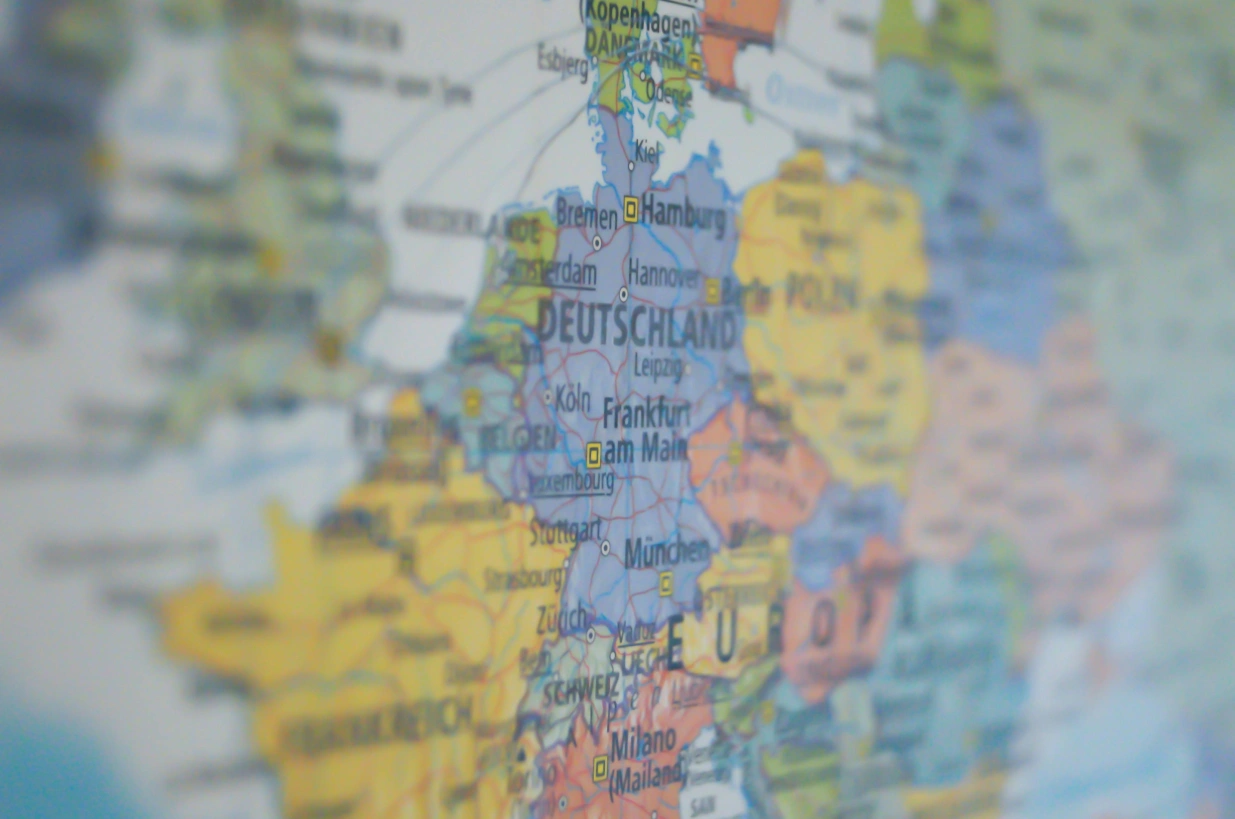
After three decades of continuous immigration to Germany, for the first time the opposite process is taking place: more Poles are returning home than staying in Germany.
According to data from the Federal Statistical Office, a net decrease of more than eleven thousand Polish citizens was recorded last year. This is a sign that economic conditions, social circumstances, and administrative everyday life in Poland have become more attractive than in Germany, writes Deutsche Welle.
Examples of returnees show how dissatisfaction stems from seemingly small but long-lasting problems. A Berlin couple, Zbyszek Perzyna and Kamila Gierko, cited unpleasant experiences with prolonged apartment breakdowns, inefficient building managers, and difficulties with credit liquidity despite stable income. Kamila, who works as a translator and pays taxes regularly, was unable to obtain leasing in Germany, while in Poland she completed the same procedure in a few minutes by phone.
For writer Jacek Dehnel, who returned to Warsaw with his husband, the decision came after exhausting experiences with bureaucracy. Although they expected a freer and higher-quality life in Germany, they encountered constant paperwork and administrative barriers. Dehnel describes Germany as a country where everyday life is unnecessarily difficult, unlike Poland where he notices constant progress and optimization.
Statistics on economic growth further explain the trend. Since 2015, Poland has regularly achieved annual growth of around five percent, while Germany moved much more modestly in the same period and is now facing economic stagnation. At the same time, Poland attracts returnees with lower taxes, easier access to loans, and faster administration.
German employers are worried because they are losing a workforce they had counted on for decades. Polish workers greatly helped in healthcare, construction, and other sectors. Now their number is decreasing, while Poland, already the twentieth-largest economy in the world, is managing to attract its own citizens back through modernization and better living conditions.
Germany, despite its current problems, still remains one of the strongest European economies. Experts estimate that the success of its future economic strategy will depend on the speed with which it improves the business climate, reduces administrative barriers, and once again becomes an attractive destination for work and life, including for Poles who for decades were an important part of German society.