

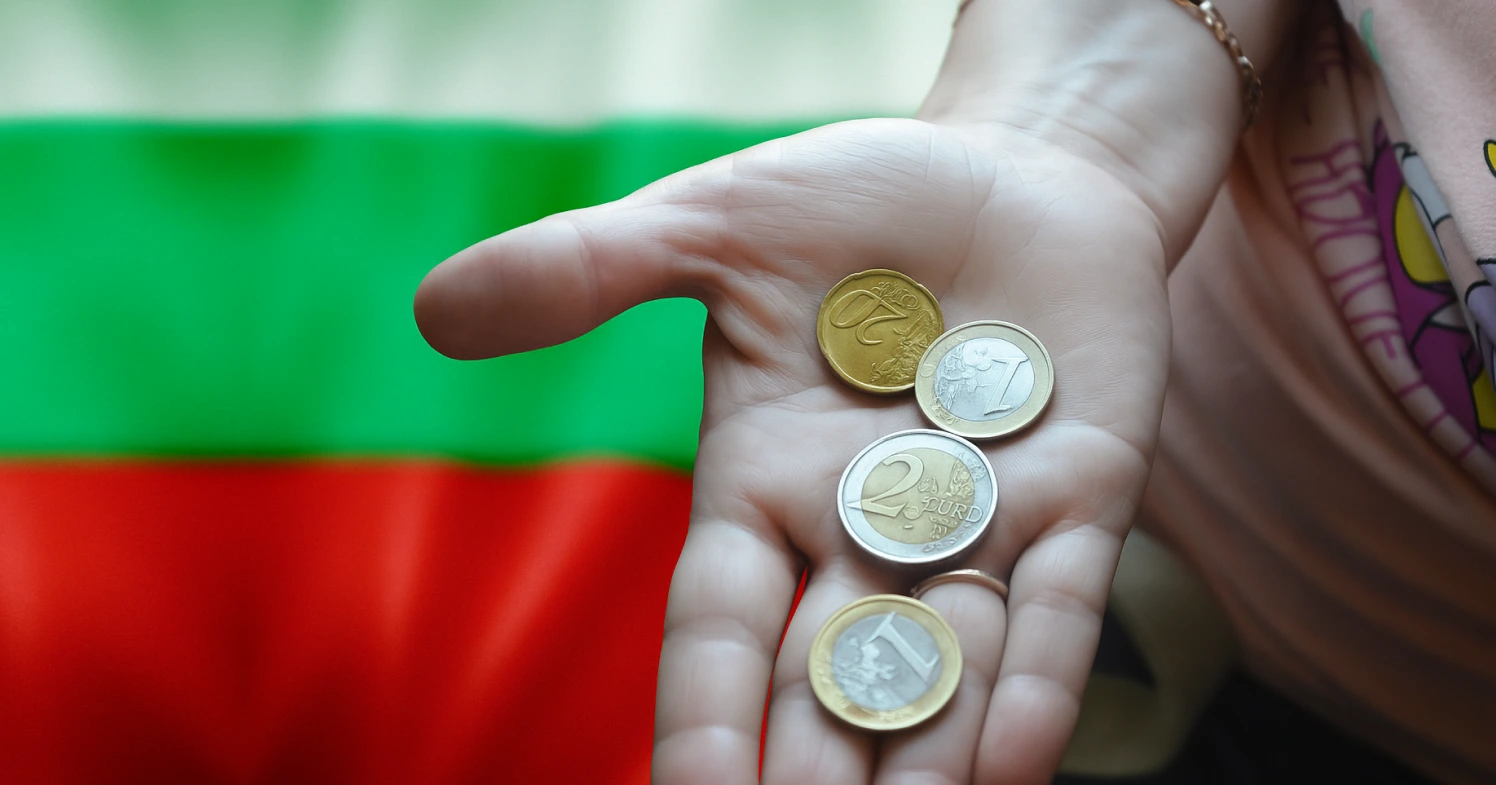
Bulgaria euro
Bulgaria Plans to Adopt the Euro in 2026 Despite Discontent and Protests
27.06.2025.
02/04/2026
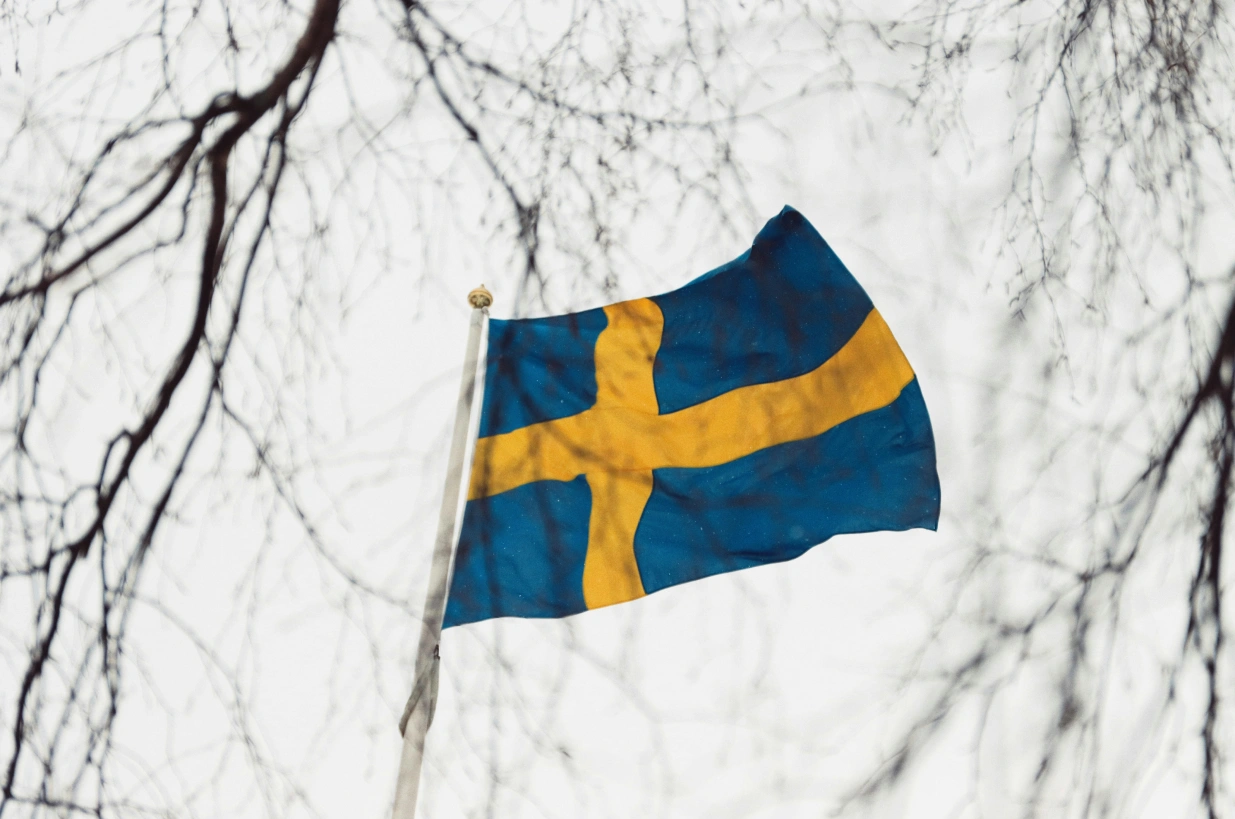
Geopolitical turmoil in Eastern Europe and the uncertainty brought by changes in the American administration have sparked a debate in Sweden that had been dormant for decades.
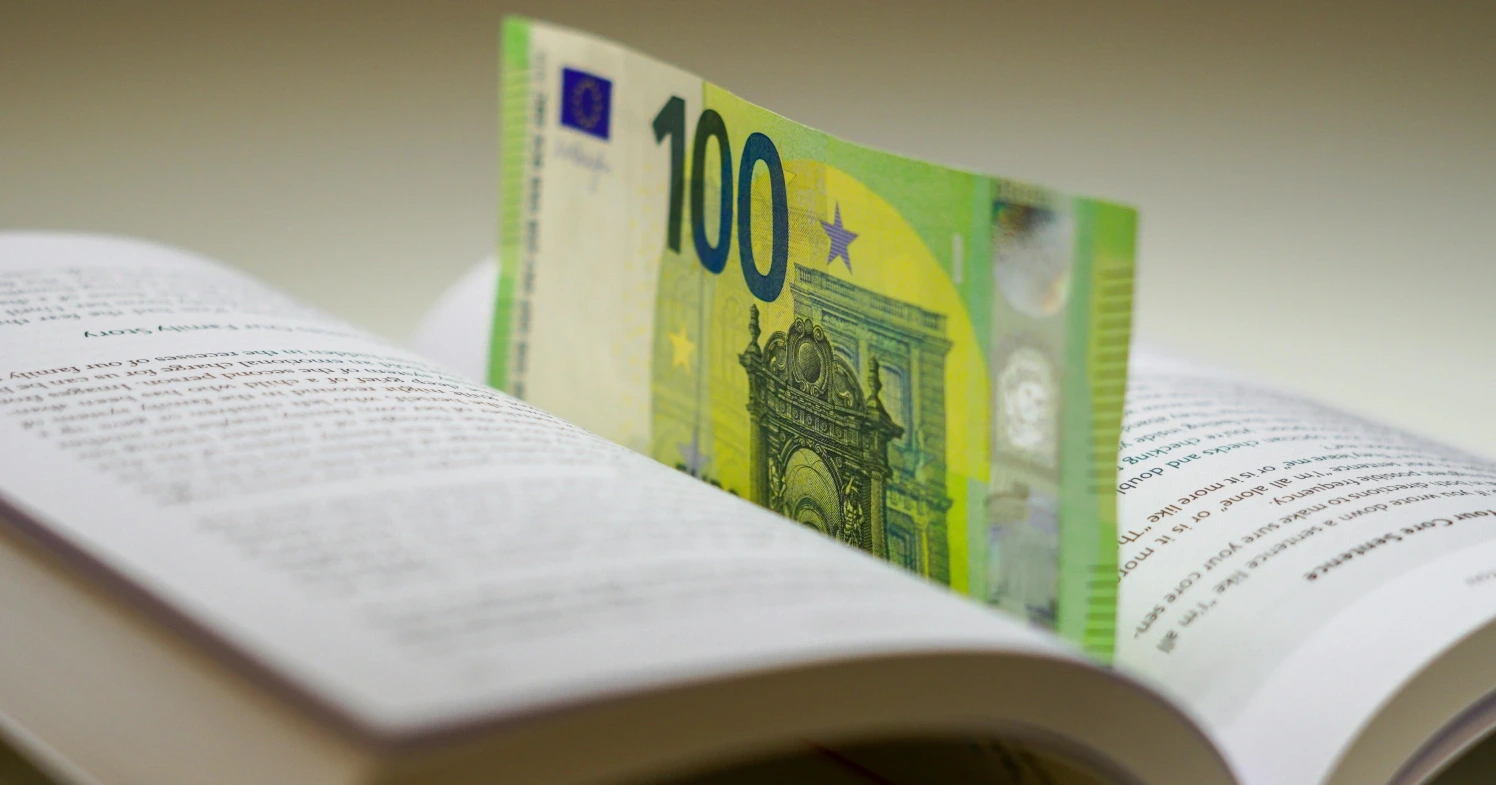
As reported by the news portal N1, Sweden's political elite are increasingly seriously weighing the arguments for abandoning the national krona and adopting the common European currency. Although Swedes have long been attached to their krona as a symbol of economic independence, fear of isolation in an unstable world is slowly eroding that traditional resistance.
The main reason why Sweden has not introduced the euro so far lies in the belief that its own currency serves as a kind of shock absorber. Put simply, when a crisis occurs, the state can manage the value of the krona and thus protect its exporters and jobs. However, reality has been different in the last decade because the Swedish krona has lost more than a fifth of its value against the euro. Such a decline means that imported products become more expensive, which directly hits citizens' wallets through higher prices in stores.
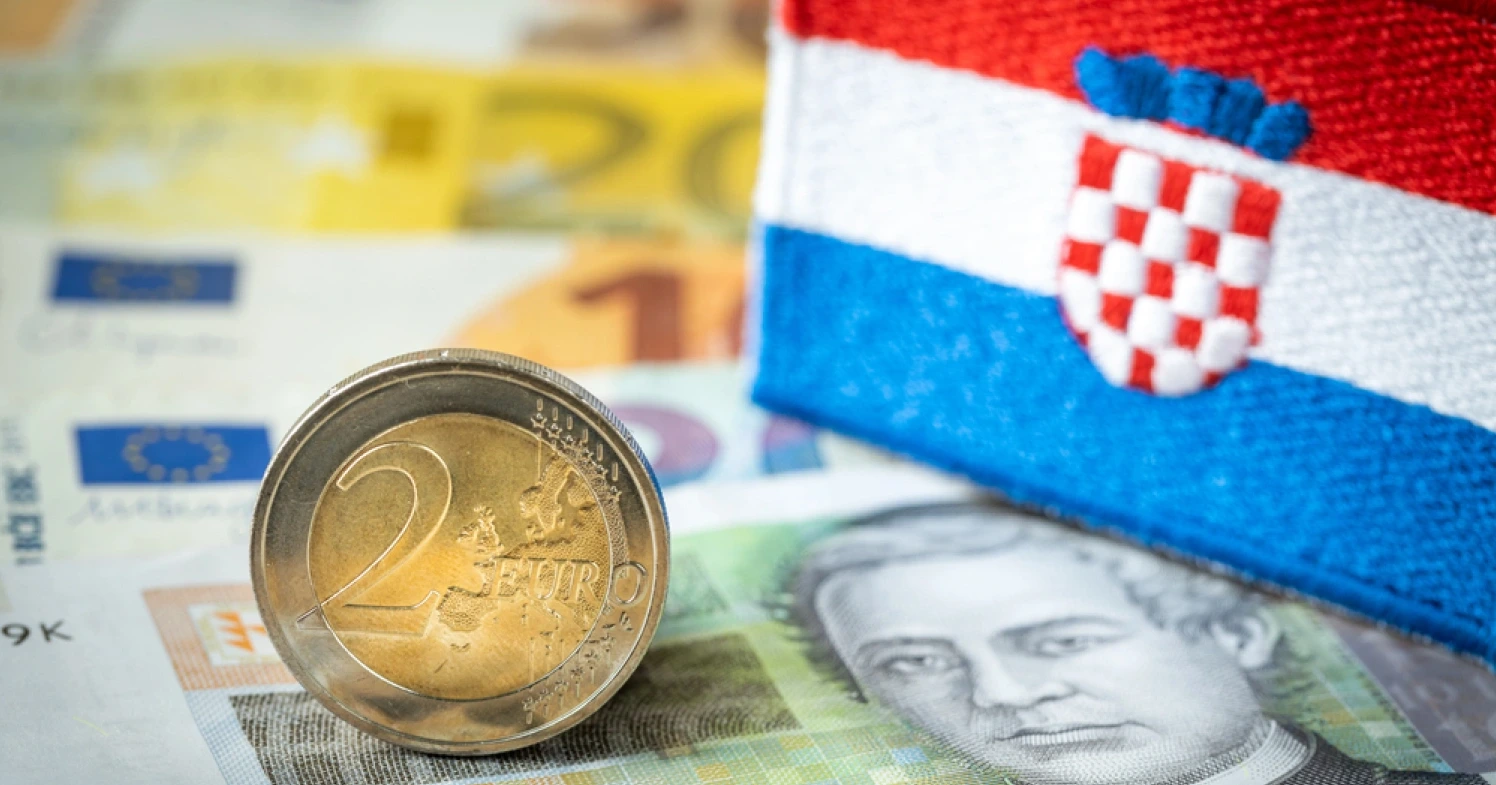
Just as Russian aggression against Ukraine forced Sweden to quickly abandon its neutrality and join NATO, current threats of trade wars are also pushing Stockholm to seek shelter under the eurozone umbrella. History teaches us that the borders of the euro have constantly expanded, so Bulgaria recently became the newest member to enter the exchange mechanism, while before it Croatia successfully replaced the kuna with the euro. Sweden must now decide whether it wants to remain on the economic periphery or join the circle of the strongest European economies.
Introducing the euro is not only an economic issue but also a deeply political one that requires the consent of citizens, who clearly said 'no' in the 2003 referendum. Today, the arguments are changing because analysts warn that a serious military incident near Sweden's borders could trigger the immediate collapse of the krona. On the other hand, critics fear that Sweden in the eurozone would be forced to bail out other countries that fall into debt, which is a risk many are still not ready to accept without detailed expert analyses.
The question of introducing the euro in Sweden is no longer just a matter of mathematics and exchange rate lists, but a question of strategic survival. The fact that countries like Croatia and Bulgaria have recognized the advantages of the common currency puts additional pressure on Stockholm to reconsider its path.
Although the path to the euro takes years, the current global uncertainty could be the decisive factor that tips the balance in favor of European unity. In a world where borders and alliances change overnight, the Swedish krona may no longer be a sufficient guarantee of the stability that citizens expect.