

euro EU
EU Plans New Rules: Shoppers Could Soon Withdraw Up to €150 at Store Checkouts
02.12.2025.
01/20/2026
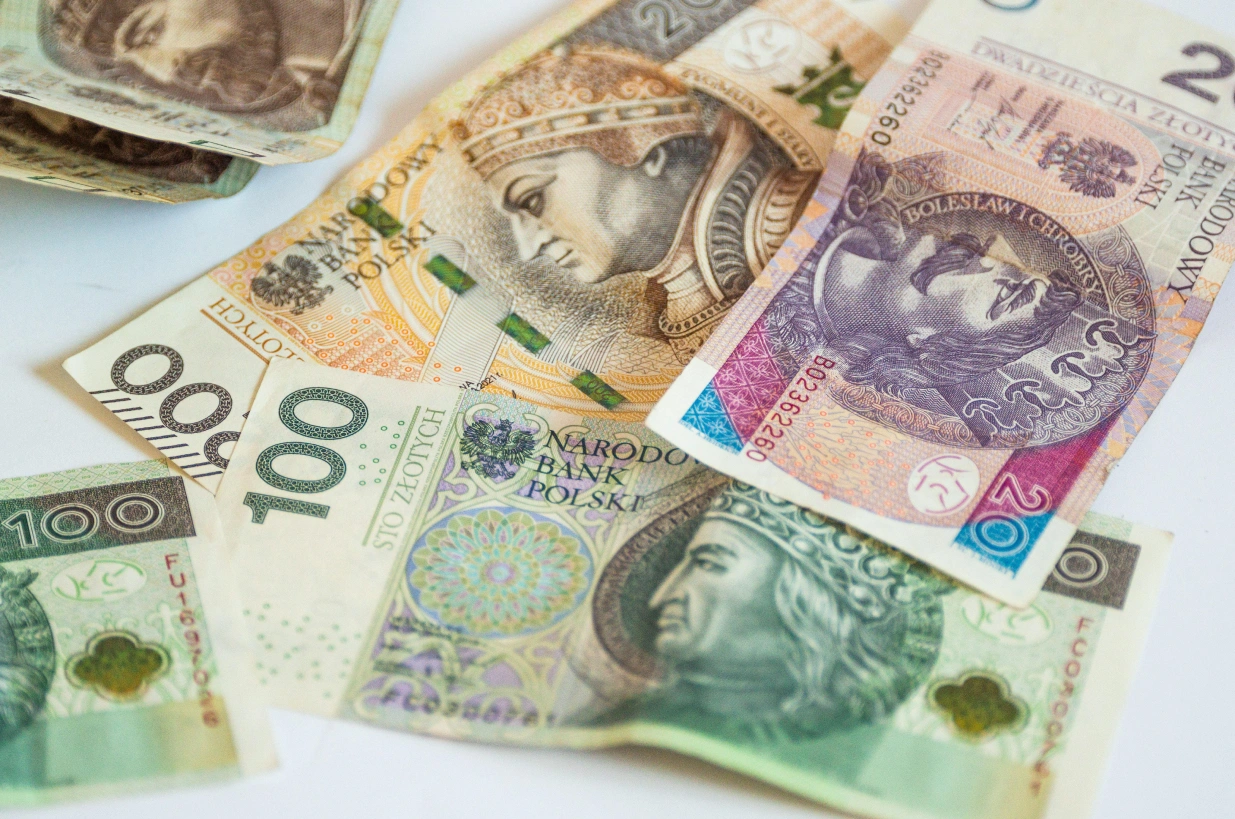
The issue of replacing the Polish zloty with the euro has been provoking intense debate in Polish society for years.
Although Poland assumed a general obligation to adopt the common currency upon joining the European Union, the latest public opinion surveys show that the majority of citizens remain highly skeptical of that step. According to data from the Panel Ariadna agency, as many as 74% of respondents oppose changing the national currency, while only 26% of citizens support such a process.
Analysis of the survey results shows a clear division within society. Opponents of the euro are significantly more numerous among the female population. As many as 80% of women oppose the currency change, while men express a somewhat lower level of skepticism.
Experts believe that one of the key reasons is that women in Poland more often directly manage the household budget and monitor price movements in shops on a daily basis. Such a role gives them direct insight into the potential financial risks that a currency change could bring.
The main reason for the strong resistance is not ideological in nature, but is primarily based on economic concerns. A total of 51% of respondents fear rising prices and a decline in the overall standard of living.
Around 26% of respondents believe that abandoning the zloty would mean a loss of national identity and monetary sovereignty.
In the public sphere, these debates are often accompanied by sharp political messages. Former Polish Prime Minister Mateusz Morawiecki was during his term one of the loudest opponents of introducing the euro. In his statements at the time, he regularly emphasized the example of Croatia as a warning to Polish citizens. According to the claims of the former Polish prime minister, the introduction of the euro in Croatia caused chaos and a drastic increase in the cost of living, which created additional resistance in the Polish public toward abandoning their own currency.
Although Poland is recording continuous and strong economic growth, for the vast majority of its citizens the zloty still represents the only guarantor of security. Fear of uncontrolled price growth, emotional attachment to the national currency, and political narratives invoking the negative experiences of other countries have created an insurmountable wall of skepticism. As long as the Polish public sees the common currency primarily as a risk to their own wallet, the zloty will remain the unquestioned symbol of Polish economic independence.
The introduction of the euro could bring Poland deeper economic integration into the eurozone, thereby eliminating conversion costs and increasing the competitiveness of Polish exporters in the common market. A key advantage highlighted is greater stability for foreign investors and a reduction in the state's borrowing costs.
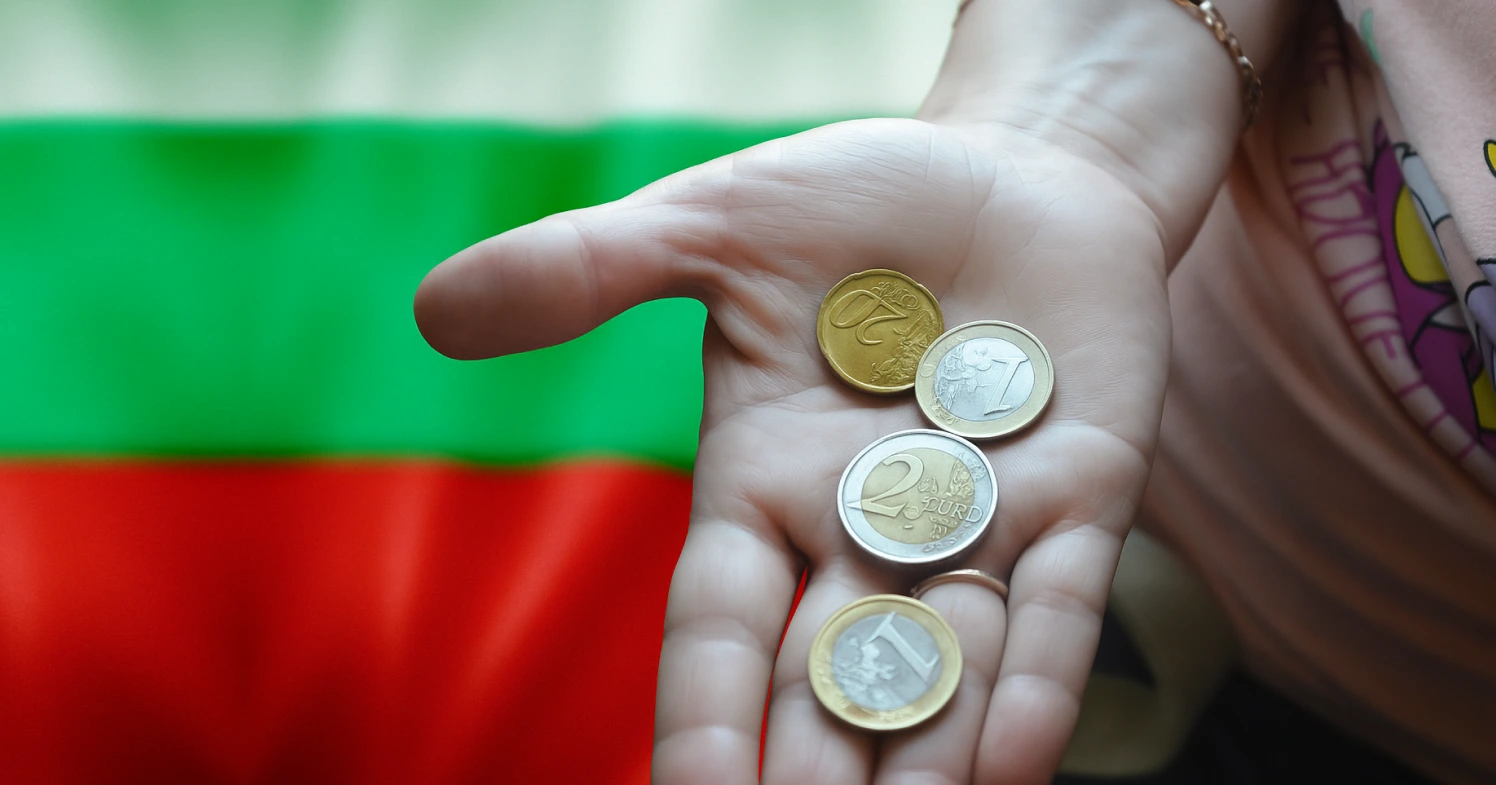
Bulgaria officially introduced the euro as its national currency at the beginning of 2026. The process was for years accompanied by deep divisions in the public and frequent protests by citizens who feared the loss of economic independence and rising inflation. Despite these pressures, the Bulgarian authorities insisted on meeting the Maastricht criteria, seeing in the euro above all a tool for long-term stability and attracting foreign investment into one of the poorest members of the Union.
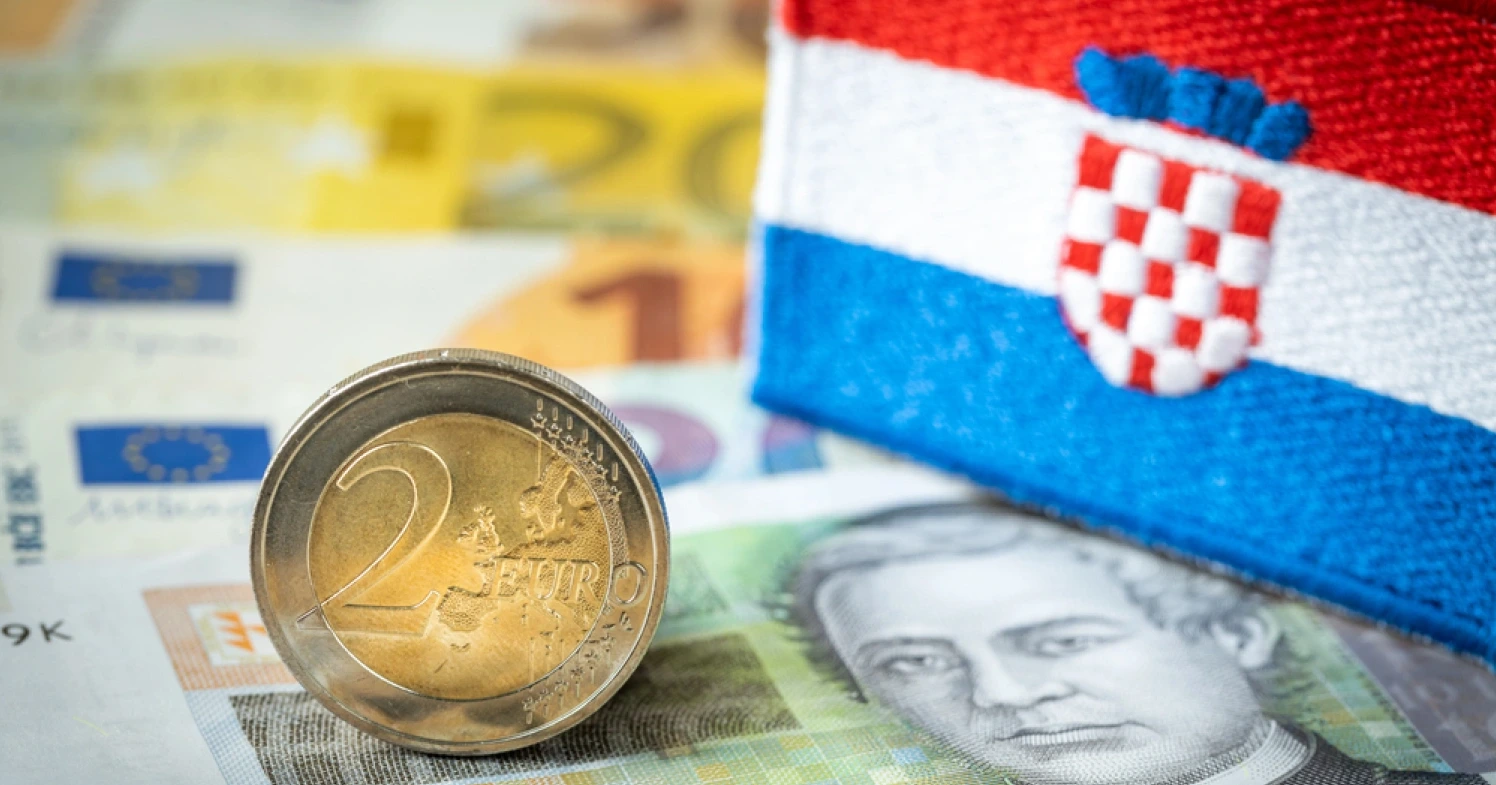
On the other hand, the experience of Croatia, which entered the eurozone earlier, serves as a constant subject of analysis in Poland. Croatia's entry was technically very successful, but the social consequences left a mark on public perception. Although the country adopted the euro without systemic disruptions in payment transactions, a strong nostalgia for the kuna remained present among citizens. Even years after the conversion, the reflex of recalculating prices into the old currency has not completely disappeared, indicating that the psychological transition is considerably slower than the economic one.
Particular attention is drawn to the phenomenon of price perception in Croatia, where in part of the public a subjective impression of a drastic decline in living standards has formed. Although the official exchange rate is fixed at 7.53450 kuna for 1 euro, many citizens in everyday spending feel as if the purchasing power of the euro has become equal to the former value of one kuna. One can sometimes hear the bitter joke that the conversion in consumers' minds ended at the mathematically impossible rate of 1 to 1. This actually means that citizens have the impression that what they once could buy for 1 kuna, today they pay 1 euro for. This incorrect but deeply rooted perception stems from the unfortunate overlap of the introduction of the euro with a period of high global inflation.
Croatia introduced the currency at a time when energy and food prices were already rising sharply on world markets. Although economic data showed that the conversion process itself contributed to inflation only by a minimal percentage, citizens automatically linked the rise in living costs with the new currency. This 'Croatian syndrome', where every price increase is attributed to the euro, today serves as a strong warning to Polish voters who see in the zloty protection from similar scenarios.