

Sweden euro
Should Sweden Adopt the Euro Despite Resistance: Is the Krona Becoming Too Heavy a Burden on Household Budgets?
04.02.2026.
06/27/2025

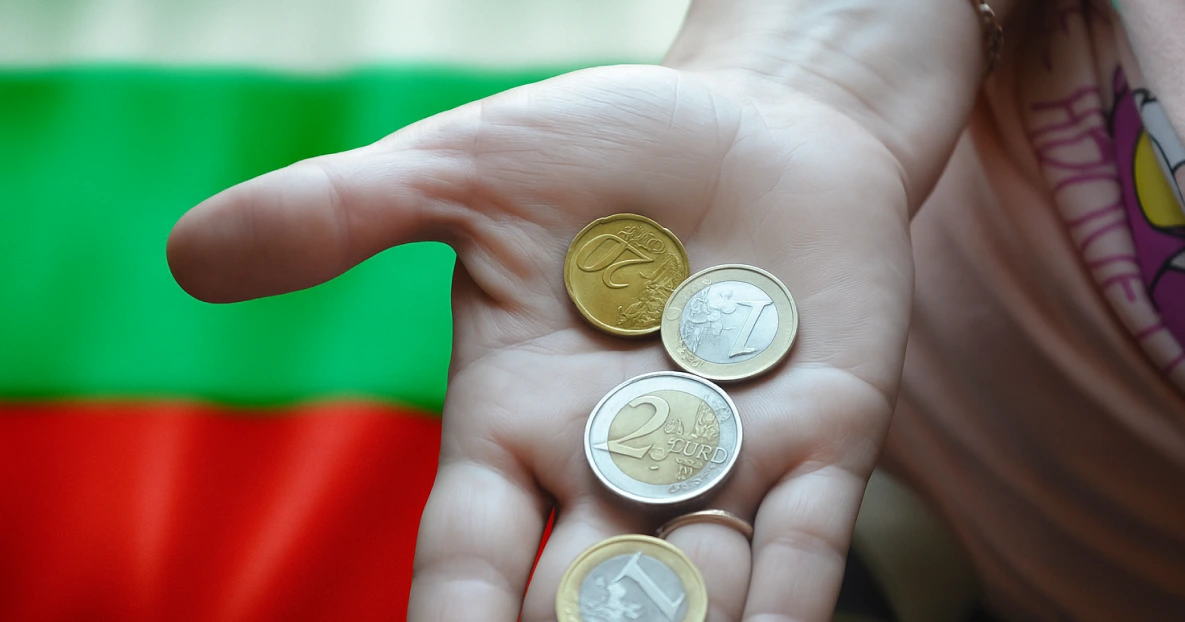
Bulgaria will become the 21st member of the eurozone on January 1, 2026, after EU leaders in Brussels gave the green light for the country to replace the lev with the euro.
This comes after Bulgaria had already tried to adopt the euro in 2024, but at that time it did not meet all the criteria. Now, according to the European Commission, inflation and public finances in Bulgaria are sufficiently stable, and the inflation rate is expected to fall to 1.8% in 2026.
Despite the economic arguments, the introduction of the euro in Bulgaria has sparked strong protests and resistance from part of the population. Nationalists and pro-Russian parties organized demonstrations, and opponents of the euro collected more than 600,000 signatures for a referendum, but the Bulgarian parliament rejected it. According to polls, more than half of the citizens oppose the introduction of the euro, mainly due to fears of rising prices and the loss of national identity.
Parallel with Croatia: How did the introduction of the euro go?
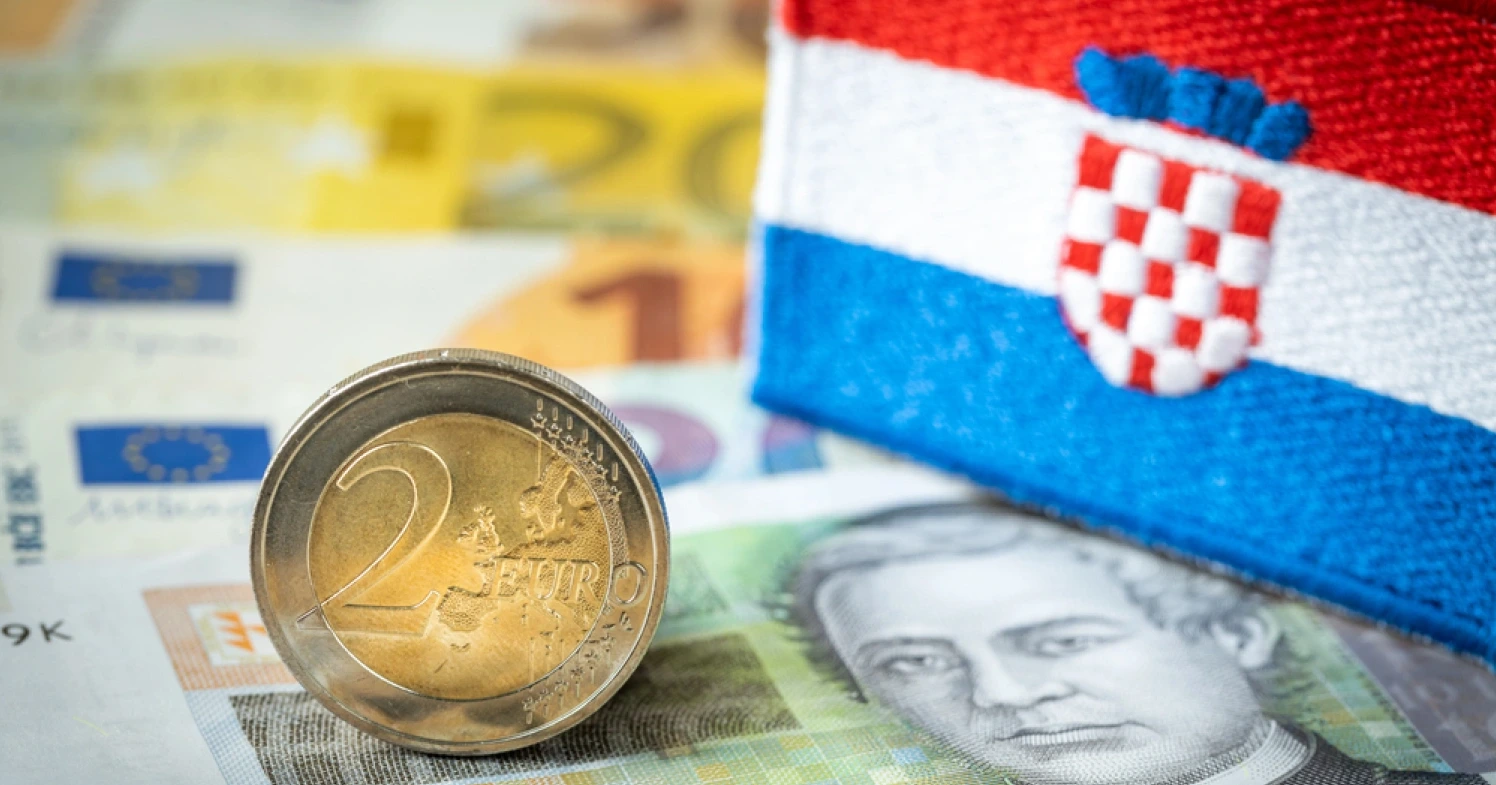
Croatia adopted the euro on January 1, 2023, becoming the 20th member of the eurozone. Although the process was logistically demanding, it did not trigger mass protests as in Bulgaria. Citizens expressed concern about possible price increases and confusion over conversion, but the transition went relatively smoothly and with institutional support.
In the first months after the introduction of the euro in Croatia, prices rose by about 0.4 percentage points, which is in line with the experiences of other countries that introduced the euro. However, in Croatia inflation remained at a higher level for longer than in most other eurozone members, so citizens continued to feel the effects of the euro's introduction through rising prices in both 2024 and 2025. Despite this, experts point out that the euro contributed to greater economic stability, facilitated trade, and reduced currency risk.
On its path toward the euro, Bulgaria is facing greater public resistance than was the case in Croatia, where the transition was technically demanding but socially calmer. Croatia's experience shows that fears of rising prices are partly justified, but also that the benefits of the euro, such as stability and easier trade, prevail in the long term.