

passport
Croatian Passport More Powerful Than U.S. Passport: Who Currently Dominates the World
15.10.2025.
07/23/2025
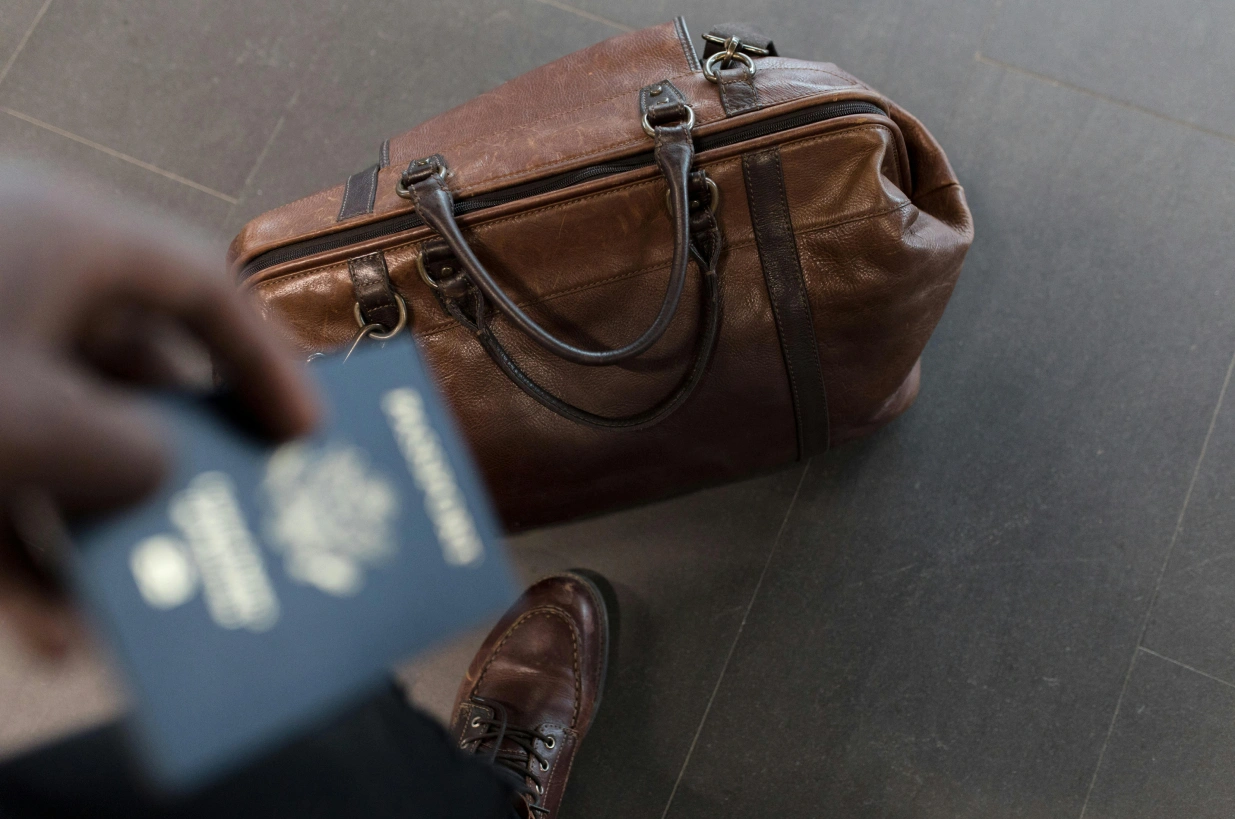
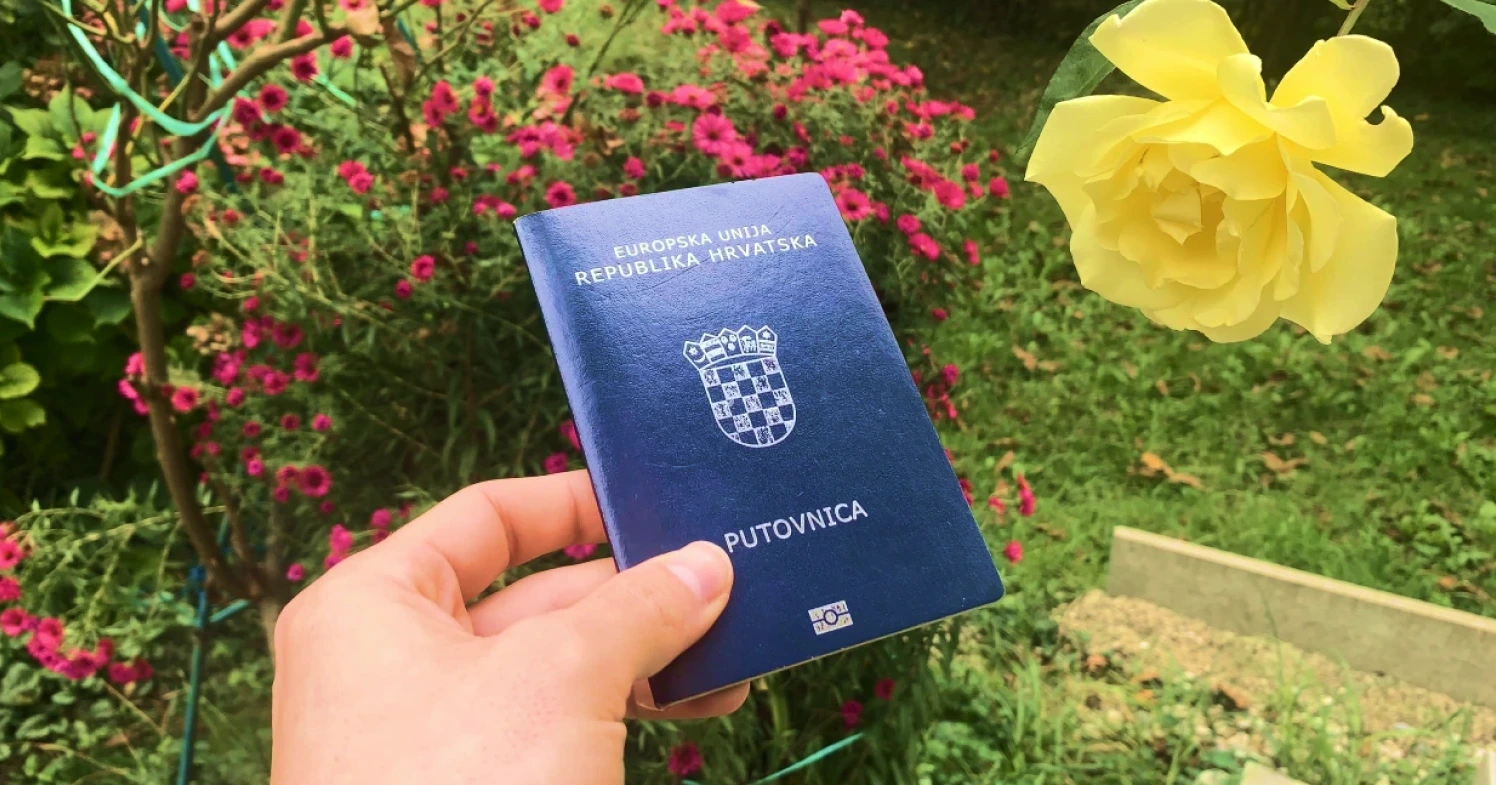
The Henley Passport Index for 2025 brought important updates for the countries of Southeast Europe, and especially historic recognition for Croatia, which for the first time since the index was established entered the top ten strongest passports in the world.
The new global ranking of the Henley Passport Index is available here, once again highlighting the deep differences in international mobility that a country's own travel document enables for its citizens.
The most important news for the region is undoubtedly Croatia's placement in ninth place in the global ranking. The Croatian passport today allows its citizens visa-free travel to as many as 183 countries around the world. Croatia owes its highest position so far to the achievement of strategic goals on the international stage, above all accession to the European Union, the eurozone, and the Schengen Area. This progress took place gradually, as the country was only 24th in the ranking in 2016, and the ninth-place finish was achieved thanks to consistent reforms and the expansion of diplomatic cooperation on all continents. Visa-free access to the United States and the continuous signing of bilateral agreements with numerous countries further strengthened Croatia's position at the very top of the world.
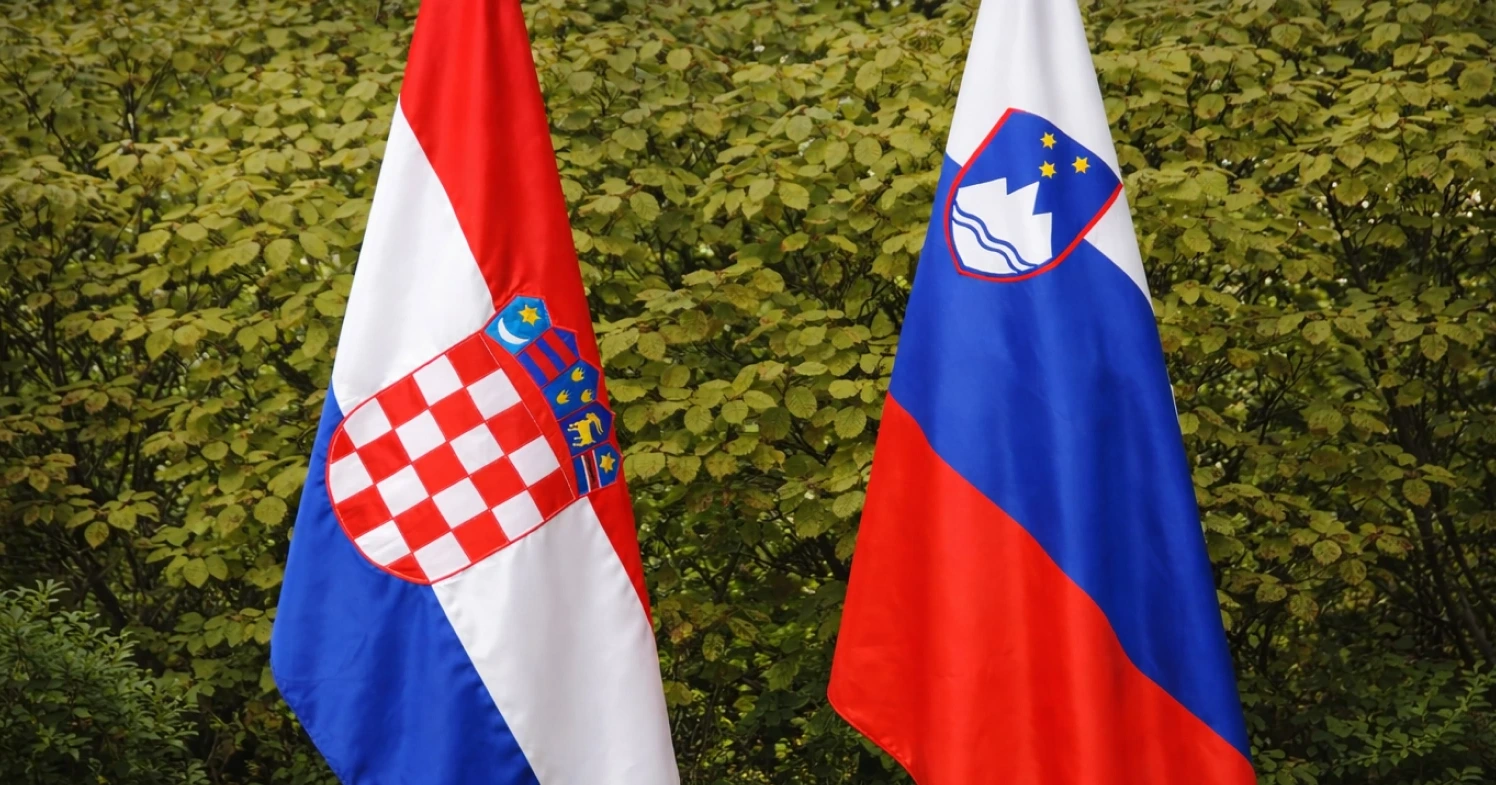
Alongside Croatia, Slovenia is also in ninth place, and the latest evaluation confirms that Slovenian citizens enjoy the same global reach in terms of the number of countries they can travel to without a visa. Slovenia, as a long-standing member of the European Union and Schengen, has managed to maintain high mobility as a result of persistent European policy and international openness with a long-term focus on institutional stability and attractiveness for foreign nationals.
Bulgaria is in thirteenth position in this year's ranking. Its high rank is the result of membership in the European Union, which automatically offers Bulgarian citizens visa-free access to all members of the Schengen zone, as well as many other destinations. Although it is not among the top ten, Bulgaria still achieves a significant degree of travel freedom, and its position has been further stabilized after meeting negotiating criteria in the process of Euro-Atlantic integration.
Serbia holds thirty-third place, allowing its citizens visa-free entry to 140 countries. The Serbian travel document ranks relatively high thanks to numerous bilateral agreements the country has established in recent years with countries of the Global South, Asia, Africa, and Latin America, as well as the liberalization of the visa regime with the European Union back in 2009. Despite this, the absence of full integration into the EU and the Schengen Area limits further growth in the strength of the Serbian passport.
Montenegro and North Macedonia share fortieth place in the world with visa-free access to 128 countries. These two countries are gradually increasing the number of visa-free destinations thanks to their rapprochement with the European Union, but they are held back from a higher ranking by the lack of Schengen membership and delays in signing visa-free regime agreements with a larger number of countries outside Europe.
Bosnia and Herzegovina and Albania are in forty-second place with freedom of travel to 123 countries. The Bosnian-Herzegovinian and Albanian passports are almost equal, and the dynamics of travel liberalization toward the EU remain subject to slow administrative and political processes. Slow entry into European integration and challenges within domestic politics keep these countries at the same mid-level rank.
Kosovo continues to record the lowest regional mobility. Its passport is in sixty-second place, allowing a visa-free regime for only 79 countries. This result is primarily the consequence of slow international affirmation and the limited number of countries that recognize Kosovo's travel document, including within the European Union itself. Only in 2024 was a visa-free regime introduced for Schengen, which was a lengthy process conditioned by specific political circumstances in the Balkans and broader international relations.
The reasons for the high and low positions of individual countries are clearly linked to the level of international integration and diplomatic relations. Member states of the European Union, and especially those included in the Schengen Area, continuously achieve the highest positions due to unified access to a large number of countries that are part of the common travel regime. Croatia is a typical example of rapid rise, thanks to strategic steps such as joining Schengen, increasing the number of bilaterally agreed visa-free destinations, and improving the status of its travel document at the global level.
In contrast, countries that are not full members of major political and economic communities must invest significantly more effort to improve their mobility index. In the case of Bosnia and Herzegovina and Albania, weaker international integration and slow negotiations with European Union institutions limit the possibilities of free movement. Kosovo, which is still struggling for recognition on the global stage, lags behind because of many diplomatic barriers and specific political problems.
It is expected that differences in the positions of the region's countries in the coming years will further depend on the speed of reform implementation, improvements in the rule of law, enabling international partnerships, and the continuation of Euro-Atlantic and multilateral integration. Croatia's example shows how crucial it is to achieve integration goals and gain the trust of the international community, while at the same time confirming that diplomatic engagement is the most important factor in strengthening the travel power of every country.