





Croatia EU
Price Shift: Food Prices in Croatia Lower Than in Italy, Austria and Germany
16.12.2025.
02/16/2026
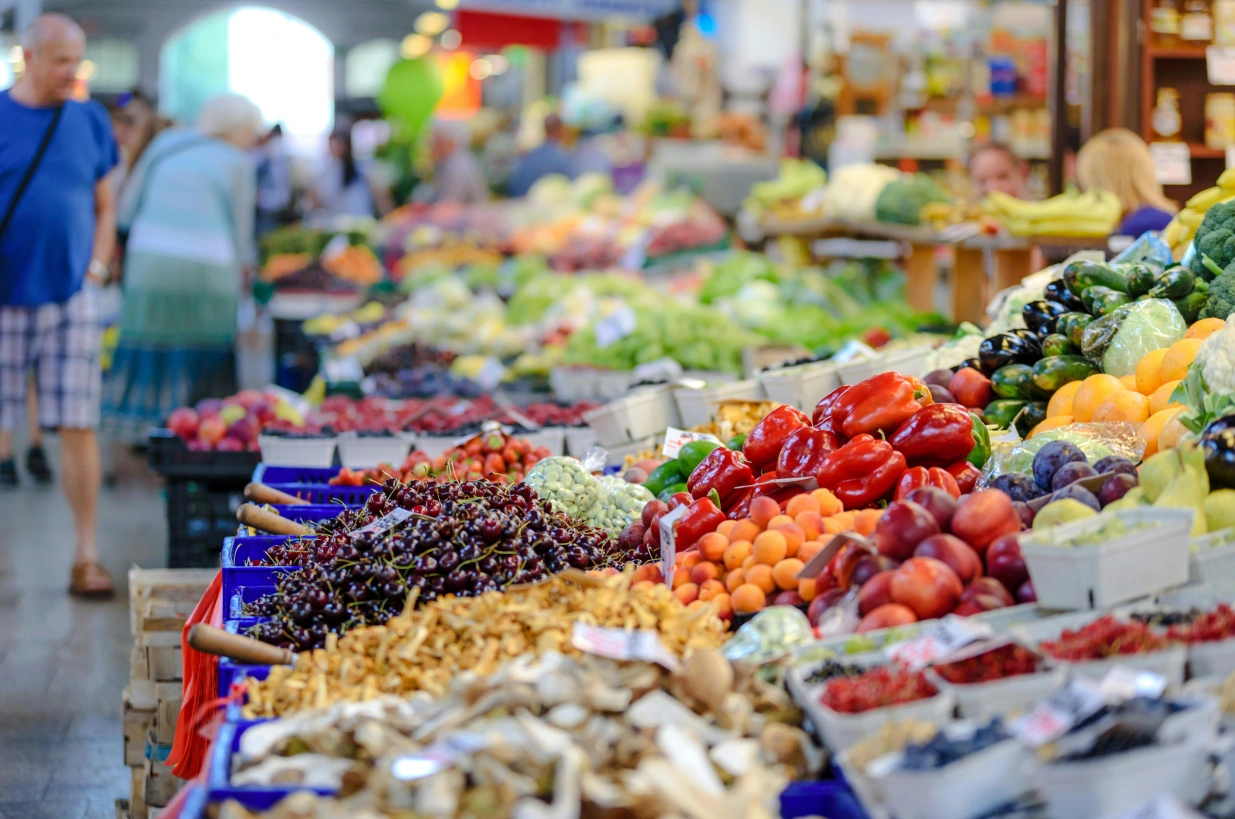
Food prices in Croatia have reached levels that leave the average consumer in disbelief, while domestic producers are simultaneously fighting for bare survival.
While store shelves offer ever more expensive items, the gap between production costs and citizens' purchasing power has never been more pronounced. As reported by DNEVNIK.hr, official data reveal that producer prices in agriculture have risen by more than 40% since 2020.
Over the past 5 years, we have witnessed tectonic changes in the food market that have hit basic shopping baskets the hardest.
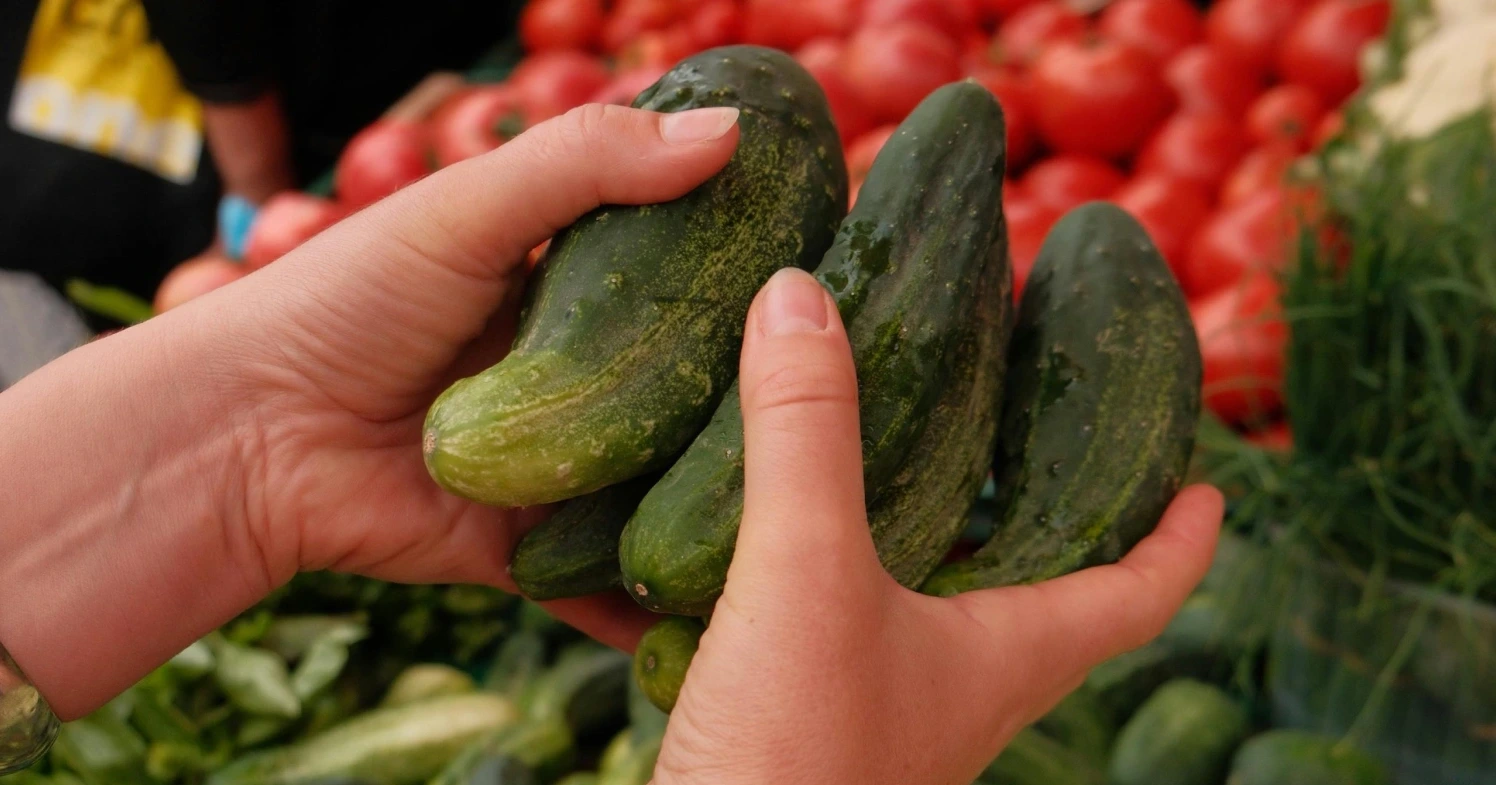
Vegetables are 51% more expensive, while the price of fruit has increased by approximately 40%. The biggest shock to household budgets comes from meat and eggs, as beef has become an incredible 98% more expensive, and the price of eggs has jumped by more than 100%.
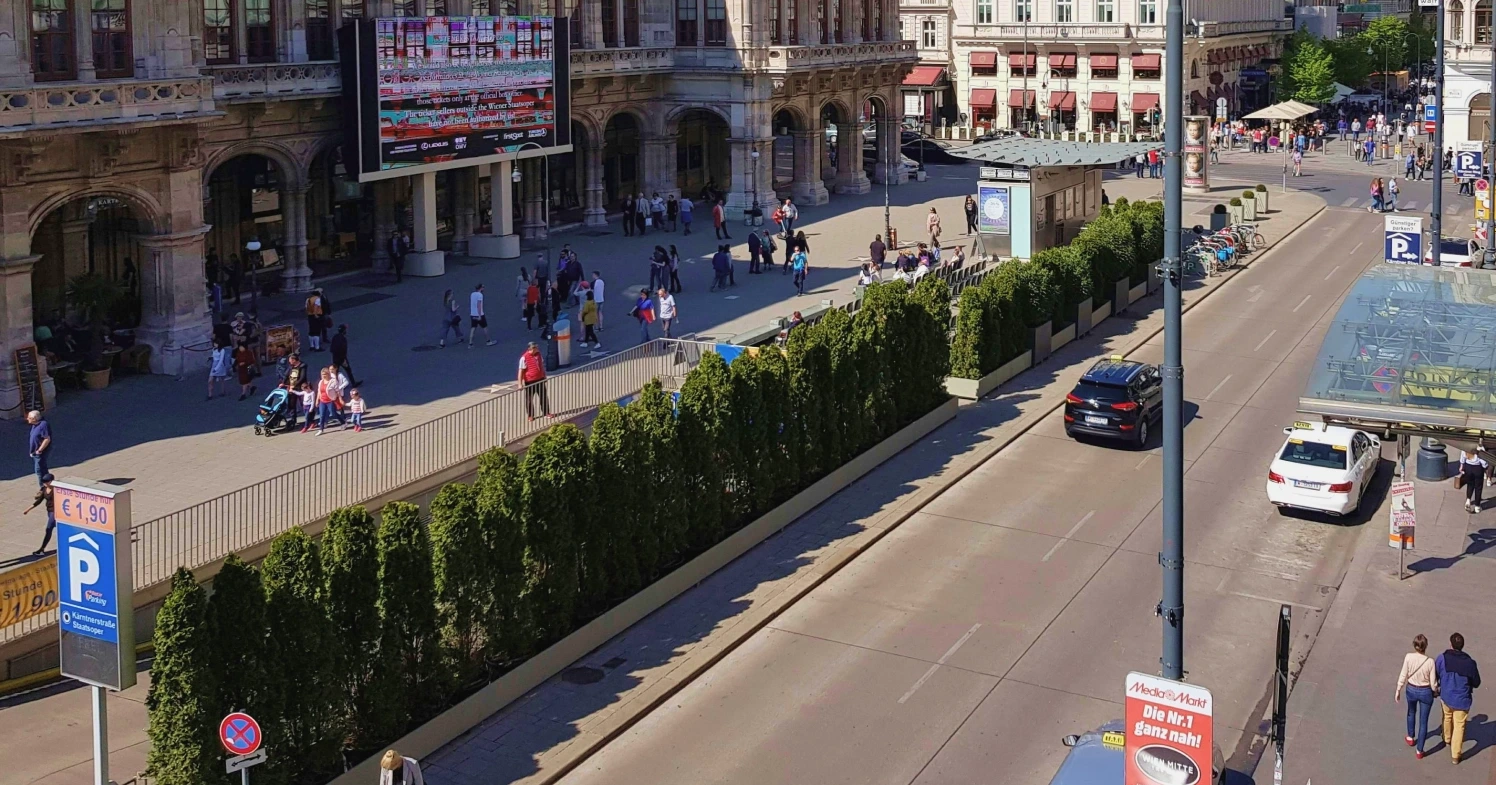
Citizens visiting European capitals such as Vienna often bitterly note that prices in stores there are significantly lower despite the higher standard of living, which is explained by the better organization of large European markets and lower logistics costs.
Although statistics this winter show a slight drop in the prices of certain food items, the reasons for this are not at all encouraging for consumers seeking quality. For example, apples have become cheaper exclusively due to a series of natural disasters that hit domestic orchards.
Such disasters cause damage to the fruit, which is why second- and third-class goods end up on the shelves and must be sold at lower prices because they do not meet premium quality criteria. A 19% drop in pig prices also does not solve the deep problems in the sector, which is struggling with economic sustainability and instability.
Experts warn that Croatia is rapidly losing the ability to feed its own population from domestic sources. We are no longer self-sufficient even in apple production, which was once unimaginable for a country with such agricultural potential. Imported products are often cheaper because they come from countries with enormous subsidies and mass production, making it simply impossible for the domestic farmer, burdened by high energy and raw material costs, to compete.
The current situation in the food market is not only a matter of statistics but also a matter of national security and the preservation of rural areas. The high prices we pay in stores often do not end up in the hands of farmers, but are lost in long chains of intermediaries and margins. Without concrete protection of domestic production and encouragement for the association of small producers, Croatia will remain hostage to import lobbies, and its citizens will continue to pay for the most expensive food in the region. A long-term solution requires an urgent change in agricultural policy to ensure accessible and quality domestic food on every table.