




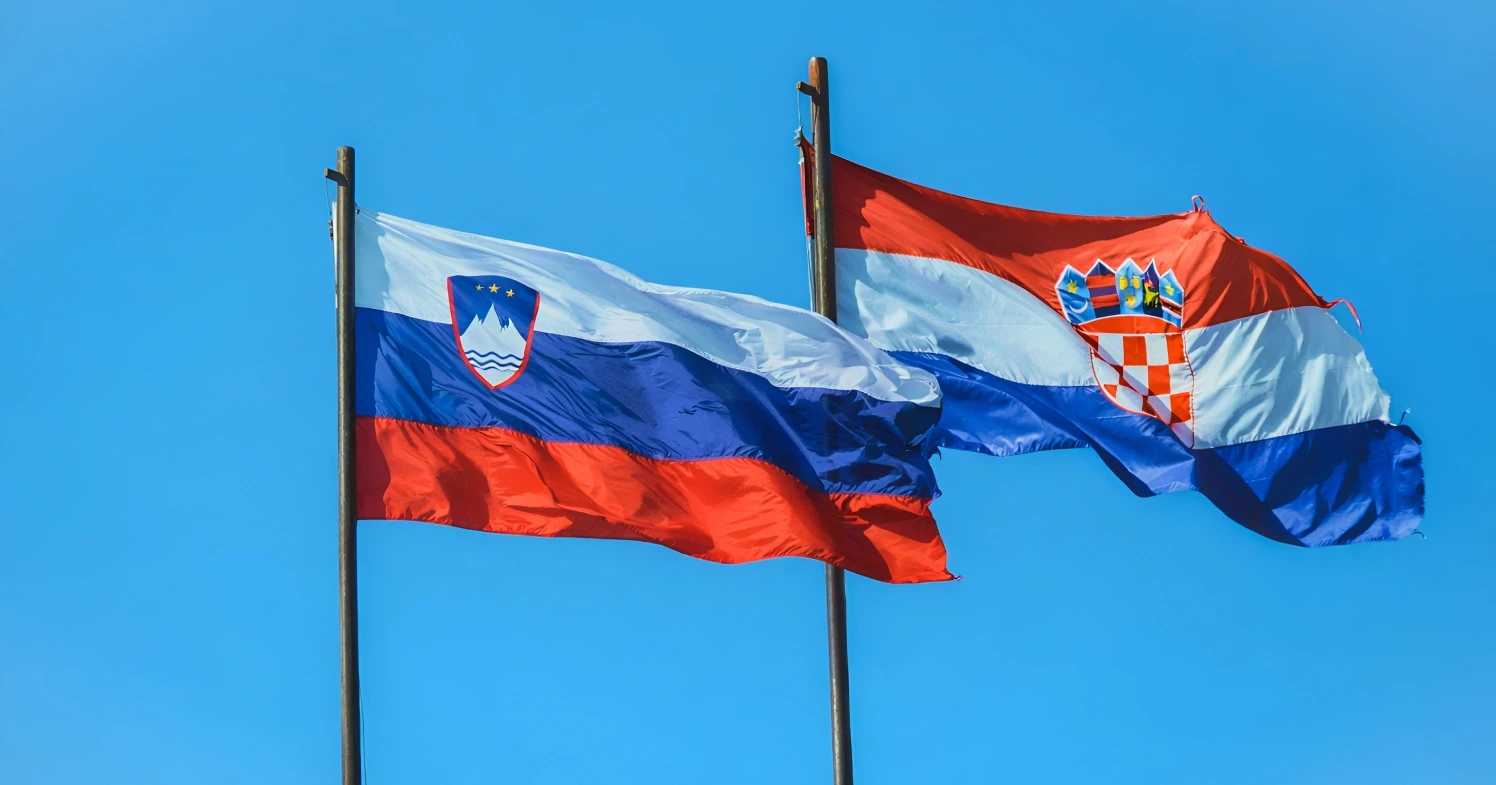
Slovenia Croatia
Slovenian Economist Says: 'By Purchasing Power, Croatia Has Already Overtaken Slovenia'
09.02.2026.
11/21/2025
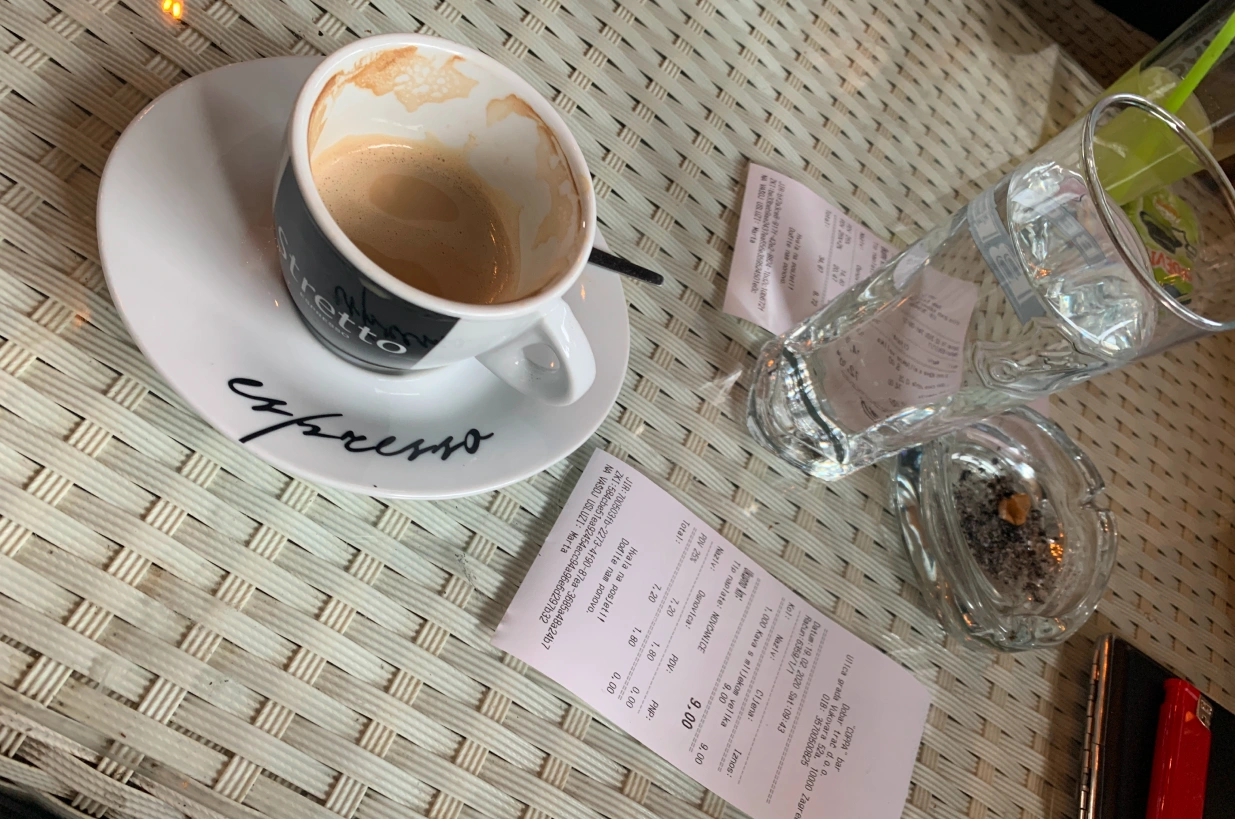
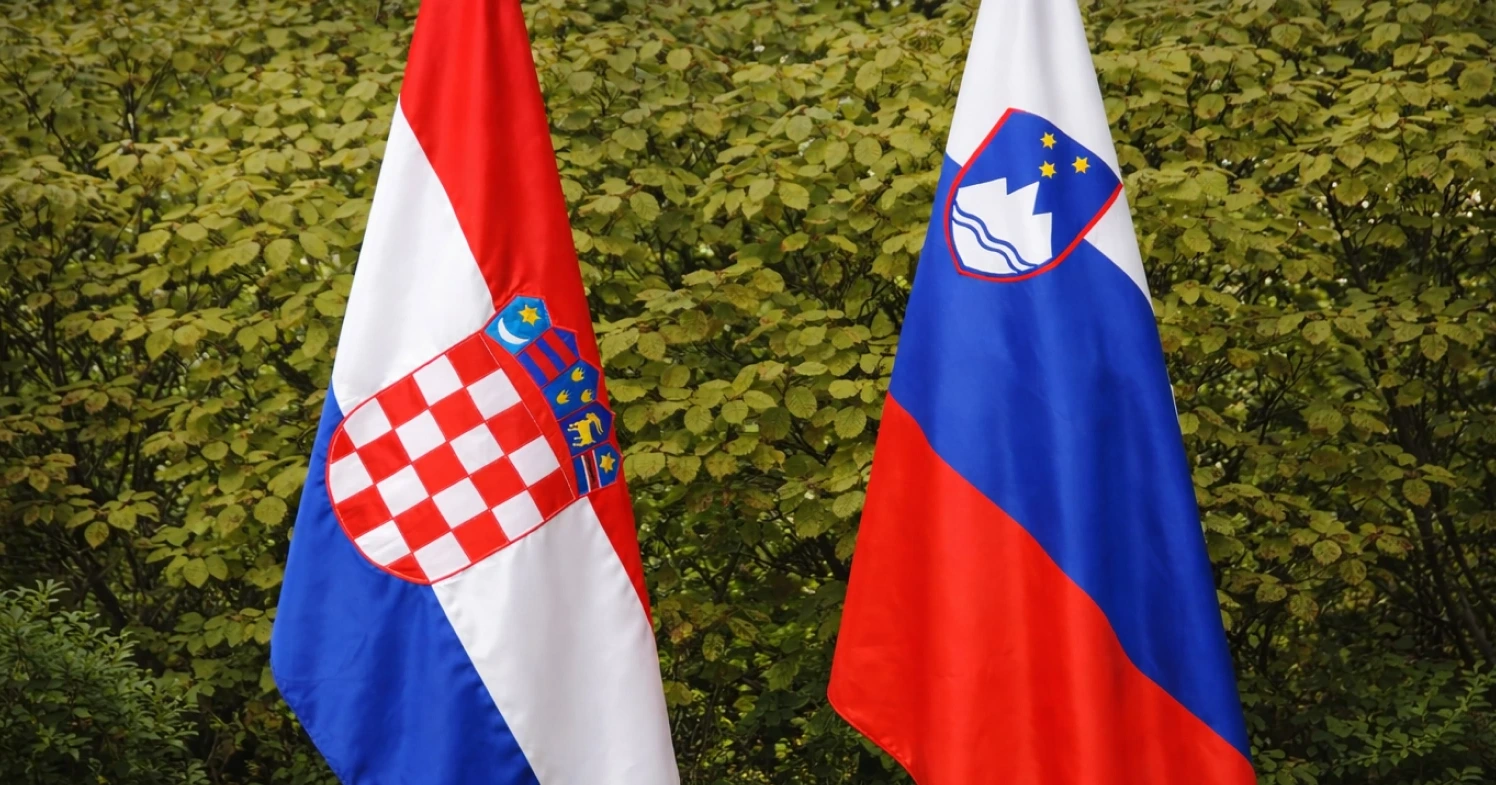
Croatia and Slovenia stand out in the European Union, a half-hour break is legally counted as working time, a rare practice not prescribed by the EU.
While workers across Europe, after six hours of work, have the legal right to a rest break, Croatian employees enjoy a privilege that sets them apart, a paid half-hour lunch break is counted within the full eight working hours. Although this benefit may seemingly sound like a small detail, Croatia, along with Slovenia, is one of the few member states of the European Union where the break is calculated as an integral part of regular working time based on the Labour Act itself.
The key to understanding this difference lies in the European Union Working Time Directive. That directive requires that workers have the right to a break after six hours of work, but it does not require member states to pay for that break or to include it in statutory working time.
It is precisely this space that the Union leaves to national laws and collective agreements, which has resulted in a wide range of practices across Europe where paying for breaks is generally avoided.
This specific treatment of breaks regularly opens public debate, especially among employers, but at the same time serves as a quiet indicator of a lower effective number of hours spent at the workplace for some workers, compared with the European average.
According to the Labour Act, in Croatia workers who work at least six hours a day are entitled to a 30-minute break that is counted as working time. This effectively means that employees, especially those in state and public services whose contracts do not define otherwise, spend about two and a half hours less at work per week than colleagues in most other European Union countries, where a 30-minute break requires arriving at work half an hour earlier or leaving half an hour later.
A comparison with other European countries clearly shows how rare the Croatian model is within the EU. In most member states of the European Union, labour legislation prescribes the right to a break, but explicitly emphasizes that it is not counted as working time and is not paid, unless otherwise regulated by a collective agreement or a special arrangement between the worker and the employer. For example, in Germany a full-time worker spends eight and a half hours at work, of which eight are worked, while the half-hour break is not counted as working time. The situation is similar in the United Kingdom and Romania, where the break does not legally have to be paid.
Croatia and Slovenia share the model in which the break is a legal obligation of the employer and part of working time with countries that have a similar legal heritage. Although legal sources in Serbia and Montenegro also prescribe a break, interpretations and practical application vary, which is why a detailed review is needed to determine whether the break is always and in every sector counted and paid, especially outside strong collective agreements.
In other European countries, breaks are generally not paid and are not counted as working time, which is standard practice in accordance with EU directives. However, there are exceptions that depend on national laws or collective agreements.
For example, in Denmark and Sweden strong collective agreements often allow for a paid break and shorter working hours, although this is not a legal obligation of the EU. There are also countries such as Liechtenstein where working conditions are particularly favorable, with breaks that can last up to an hour and a half, but in general these are exceptions within legal and collective arrangements at the national level.
Similarly, in some sectors and regions of Spain and Greece there is still the practice of the so-called 'Jornada partida', very long lunch breaks (sometimes even lasting several hours). However, this is not a general standard in modern office jobs and often depends on the sector and collective agreements. On the other hand, in France lunch is traditionally held between approximately 12:00 and 14:00 and often lasts longer than in many other countries.
Therefore, Croatia and Slovenia are among the few countries where a half-hour break is legally counted as working time, while in most EU countries this depends on additional agreements and practices, not on EU regulation itself.
As long as the provision on the paid break is, in record-keeping terms, counted as working time and included in pay, and remains in force in the Croatian Labour Act, workers in Croatia, especially in the public sector and those without strong collective agreements, will enjoy a unique treatment that places them in a privileged position compared with most colleagues across the European Union.