




Croatia foreign workers
Record Numbers of Foreign Workers in Croatia: Nepalis Catching Up with Bosnian Citizens
17.12.2025.
01/15/2026
The Ministry of the Interior has published a comprehensive statistical report on residence and work permits issued to foreign nationals during 2025.
The figures confirm the continuation of the trend of the domestic economy’s strong reliance on foreign labor, along with one historic change in the structure of the workforce itself. Namely, for the first time, citizens of Nepal have numerically surpassed workers from neighboring Serbia, significantly changing the demographic picture of employees in key sectors.
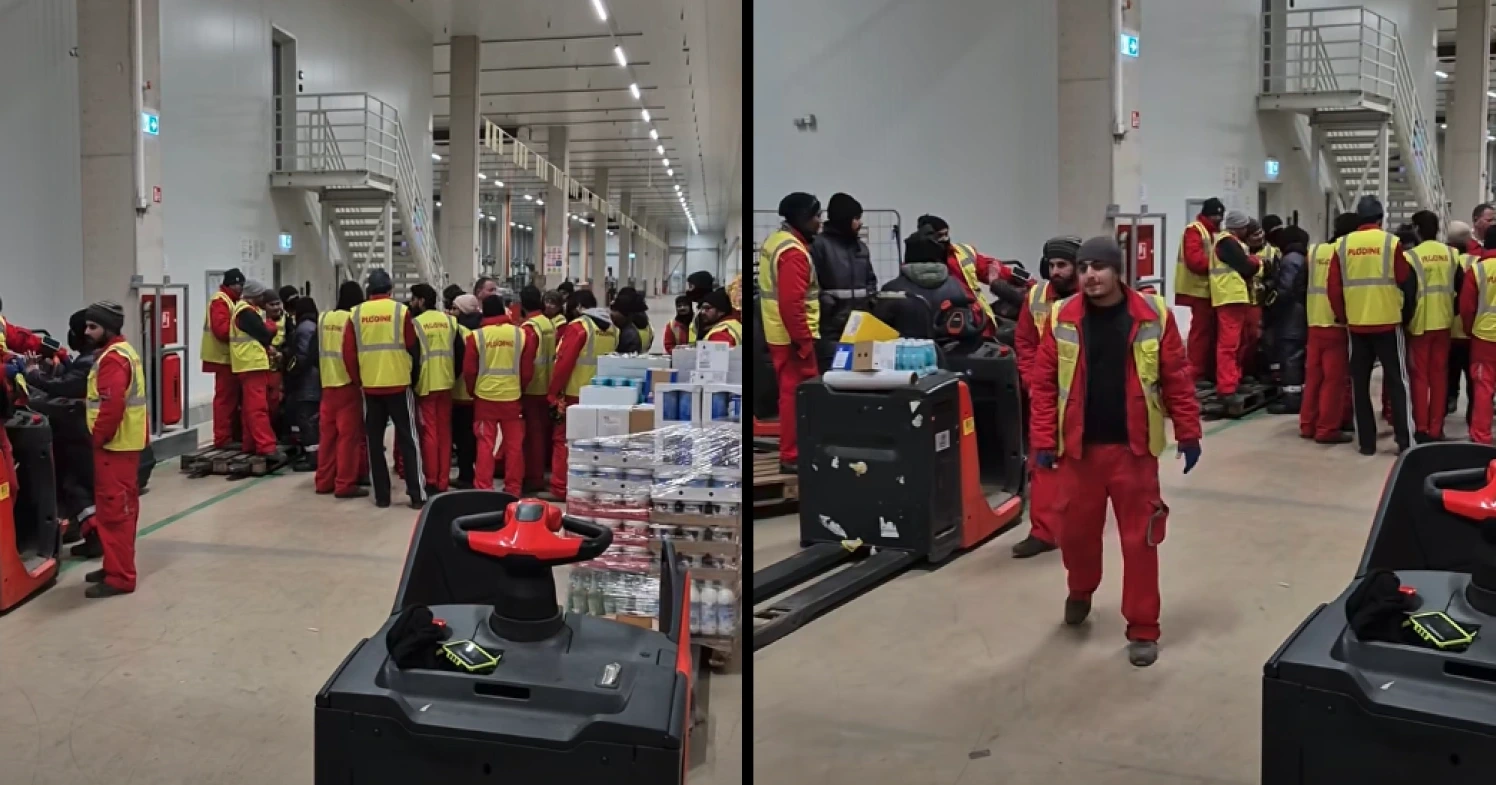
For a long time, the labor pool for Croatian employers primarily consisted of neighboring countries, but 2025 brought a clear shift toward the Asian market. Although citizens of Bosnia and Herzegovina still hold first place with a total of 32,225 permits issued, the biggest surprise is second place, now occupied by Nepal.
During the past year, as many as 31,708 permits were issued for workers from Nepal, while Serbian citizens fell to third place with 24,278 permits. This development suggests that the domestic market is increasingly turning to distant destinations, which is also evident in the high ranking of the Philippines and India, which together account for more than 33,000 workers on the domestic market.
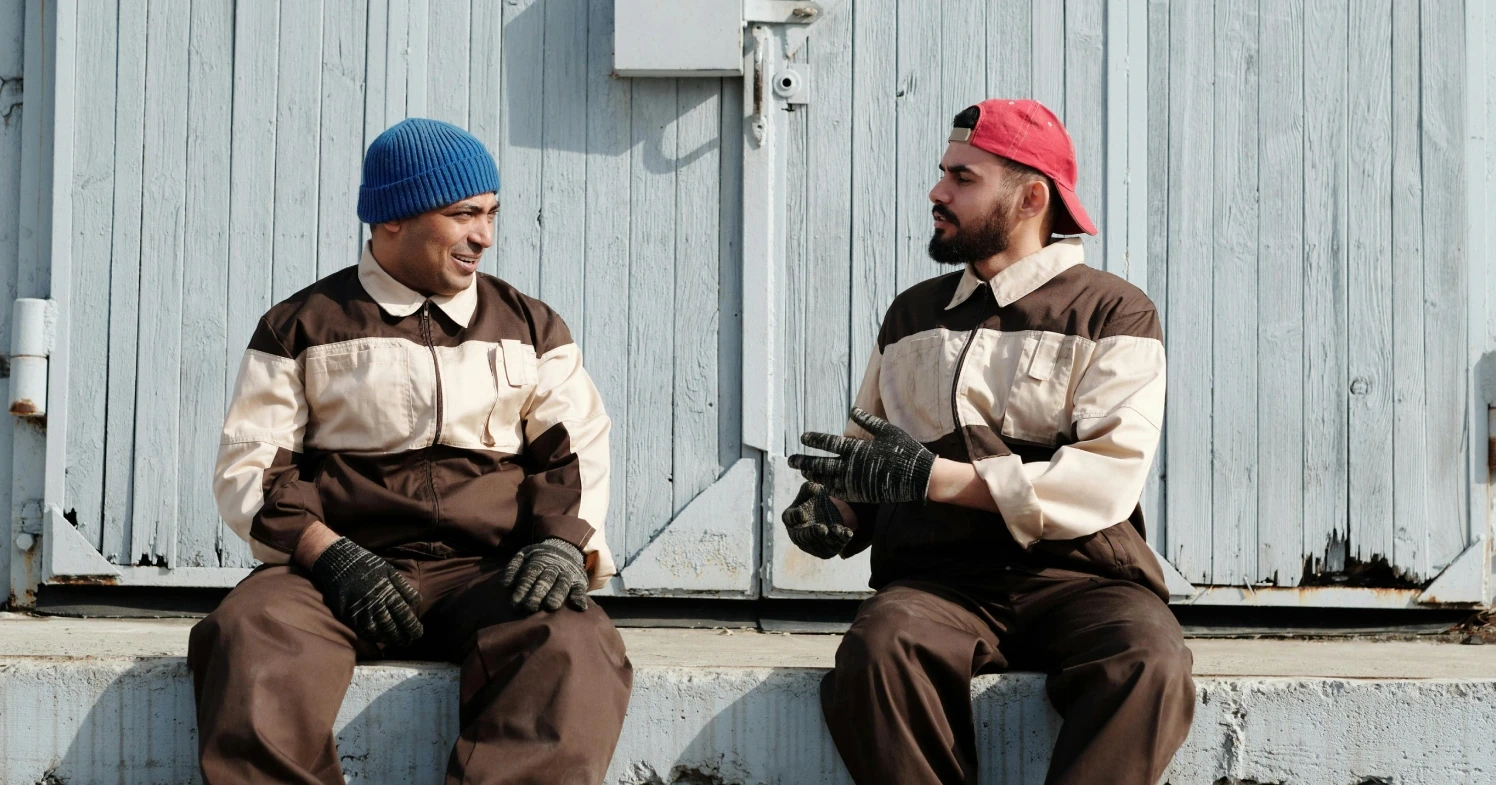
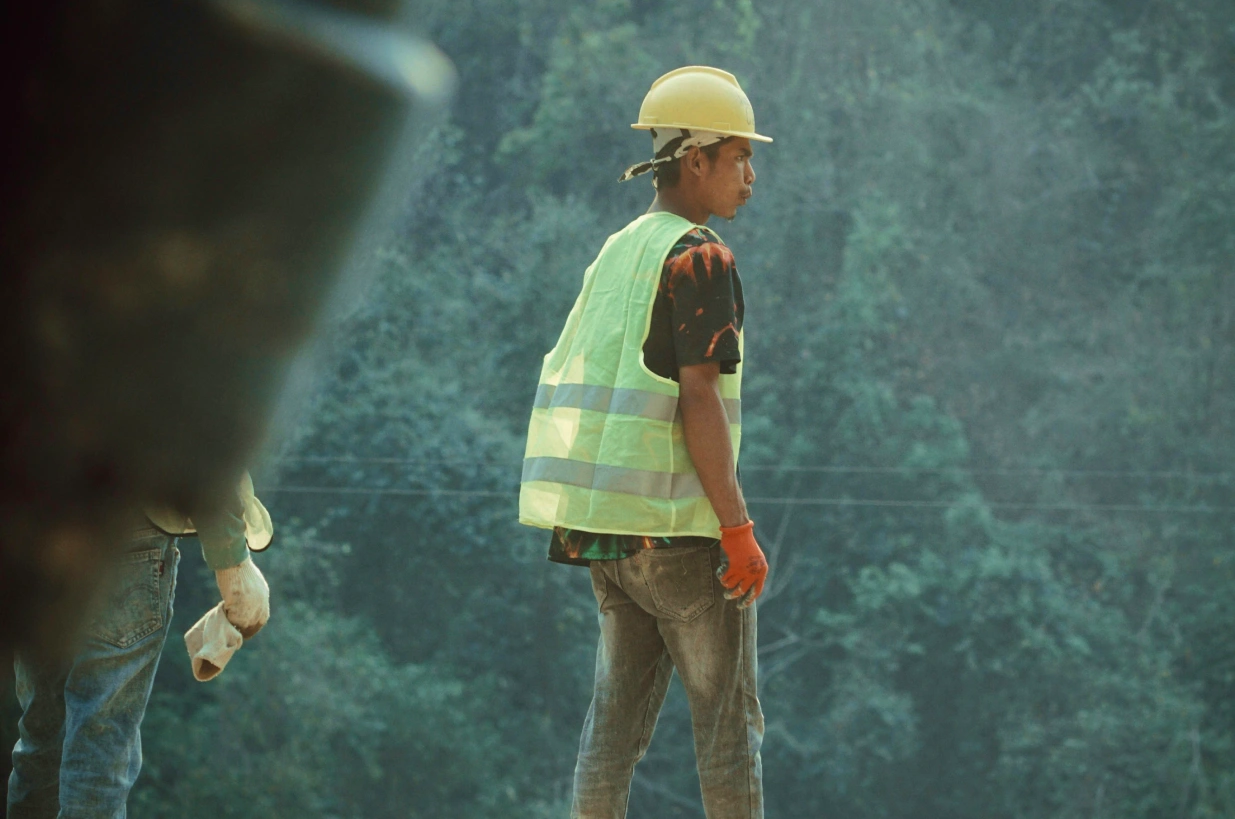
Although there is occasional resentment or fear in public that foreign workers are 'taking over' jobs from the domestic population, the statistics offer a significantly different picture. The reality on the ground shows that foreign nationals are actually filling gaps in sectors where there is a chronic shortage of domestic labor. The largest number of permits was issued in tourism and hospitality (52,858) and construction (52,776).
These are sectors in which domestic workers often do not want to work because of the nature of the job, shift work, or specific conditions, so foreign workers have become a key factor preventing the closure of restaurants or the suspension of construction sites. Without 24,479 workers in industry and 13,039 in transport and communications, many everyday services that citizens are accustomed to would be called into question.
However, the rapid transformation of the market has also brought new challenges that directly affect citizens’ daily lives. Situations are becoming increasingly common in which customers in shops or bakeries are left surprised because employees address them exclusively in English. For many, especially older fellow citizens, the inability to communicate in their mother tongue in their own country causes a feeling of discomfort and dissatisfaction.
This raises a key question: who failed in the integration process? While employers rushed to import labor in order to maintain operations, it seems that systematic learning of the Croatian language remained in the background. Was there too much reliance on the assumption that workers would manage on their own, or was there a lack of clear regulation that would require at least basic knowledge of the language before entering into direct contact with customers? Such shortcomings encourage a sense of resentment that could be avoided with clearer rules and organized language courses.
When we talk about the total figure of 170,723 permits issued, it is important to clarify what these data actually represent in layman’s terms. Each permit issued does not necessarily mean the arrival of a completely new person in Croatia. The Ministry of the Interior’s statistics divide these documents into three key categories in order to provide a real picture of the movement of people.
The first category is new employment, which includes 80,365 people who started working here for the first time during 2025. The second category is permit extensions, which is an extremely important figure because it shows that 70,275 foreign workers decided to stay in Croatia and continue working for the same or a new employer after their old permit expired. The third, smallest group refers to seasonal workers, of whom there were 20,083, and who stayed here temporarily, most often during the summer months at the height of the tourist season.
The economic sectors that literally rest on the backs of foreign workers remain tourism and construction. The hospitality and tourism sector leads with 52,858 permits issued, which is a logical consequence of the shortage of domestic staff in kitchens and hotels. Construction records almost identical pressure with 52,776 permits, without which the implementation of infrastructure and private projects would be practically impossible. In addition to these, a significant number of foreigners found their place in industry, transport, and trade, confirming that the need for labor has spread to almost all segments of society.
Looking at the map of Croatia through the work of police administrations, it is evident that the pressure is strongest in the largest urban and tourist centers. The absolute record holder is Zagreb, where more than 43,000 permits were issued through the Zagreb Police Administration. Standing alongside the metropolis are strong tourist regions such as Istria County and Split-Dalmatia County, each of which generated tens of thousands of work documents in order to successfully complete the economic year.
The fact that workers from Nepal have surpassed those from Serbia in number is clear proof that the process of globalization in the Croatian labor market is accelerating. Although the changes are sometimes challenging for the local community, it is important to understand that these people are doing jobs that maintain the stability of our tourism, infrastructure, and supply chains.
Croatia has become a destination where thousands of people from distant cultures see an opportunity for dignified work, and their presence is no longer a temporary trend, but a necessity for the functioning of modern Croatian society.
However, for successful coexistence, more than just a work permit will be needed; it is necessary to ensure that language and culture do not become walls, but bridges between the domestic population and those who came here in search of a better future.