





Slovenia Croatia
Is Croatia Richer Than Slovenia? Slovenian Government Data Says Otherwise
19.02.2026.
03/09/2026
Credit rating agency Fitch Ratings published its latest report on 06 March 2026, confirming Croatia’s long-term credit rating at A minus (A-) with a stable outlook for the future.
At first glance, this news sounds like dry economic statistics, but it is actually a key assessment through which global financial experts signal how safe a country is for investment and how credible its economic policy is. Although the A minus level is considered an investment-grade zone that guarantees safety, for the average Croatian citizen the question remains open as to how these high ratings translate into everyday life and the household budget.
Fitch experts point out that Croatia has maintained a strong position thanks to its membership in the European Union and the eurozone, which serves as a kind of anchor in turbulent economic times. According to their estimates, real gross domestic product growth in 2025 amounted to 3.2 percent, which is significantly above the average for the entire eurozone, which stands at around 1.5 percent. Although growth is expected to slow slightly to 2.7 percent in 2027, Croatia still remains among the faster-growing economies within the group of countries with similar ratings.
These results are based on strong domestic consumption, but also on state-supported investments. However, the agency warns of weakening price competitiveness, especially in the tourism sector. Prices for accommodation and hospitality services in Croatia are rapidly approaching the European Union average, which could in the future reduce the country’s attractiveness as a tourist destination and negatively affect service revenues.
One of the key reasons for maintaining the high rating is the exceptionally successful absorption of money from European funds, specifically from the Recovery and Resilience Facility. Croatia is considered one of the frontrunners internationally in this area, and by the end of 2025 as much as 6.4 billion euros had been drawn, accounting for more than 60 percent of the total available funds. That money directly finances major infrastructure projects, earthquake reconstruction, and reforms that are expected to strengthen the economy by 2030.
Still, analysts warn that the momentum of reforms could slow after the implementation of the current plans is completed and after Croatia achieves its goal of joining the OECD. Institutional capacity itself, that is, the state’s ability to manage systems effectively, is one of the areas in which Croatia still lags behind the more developed members of the European Union.
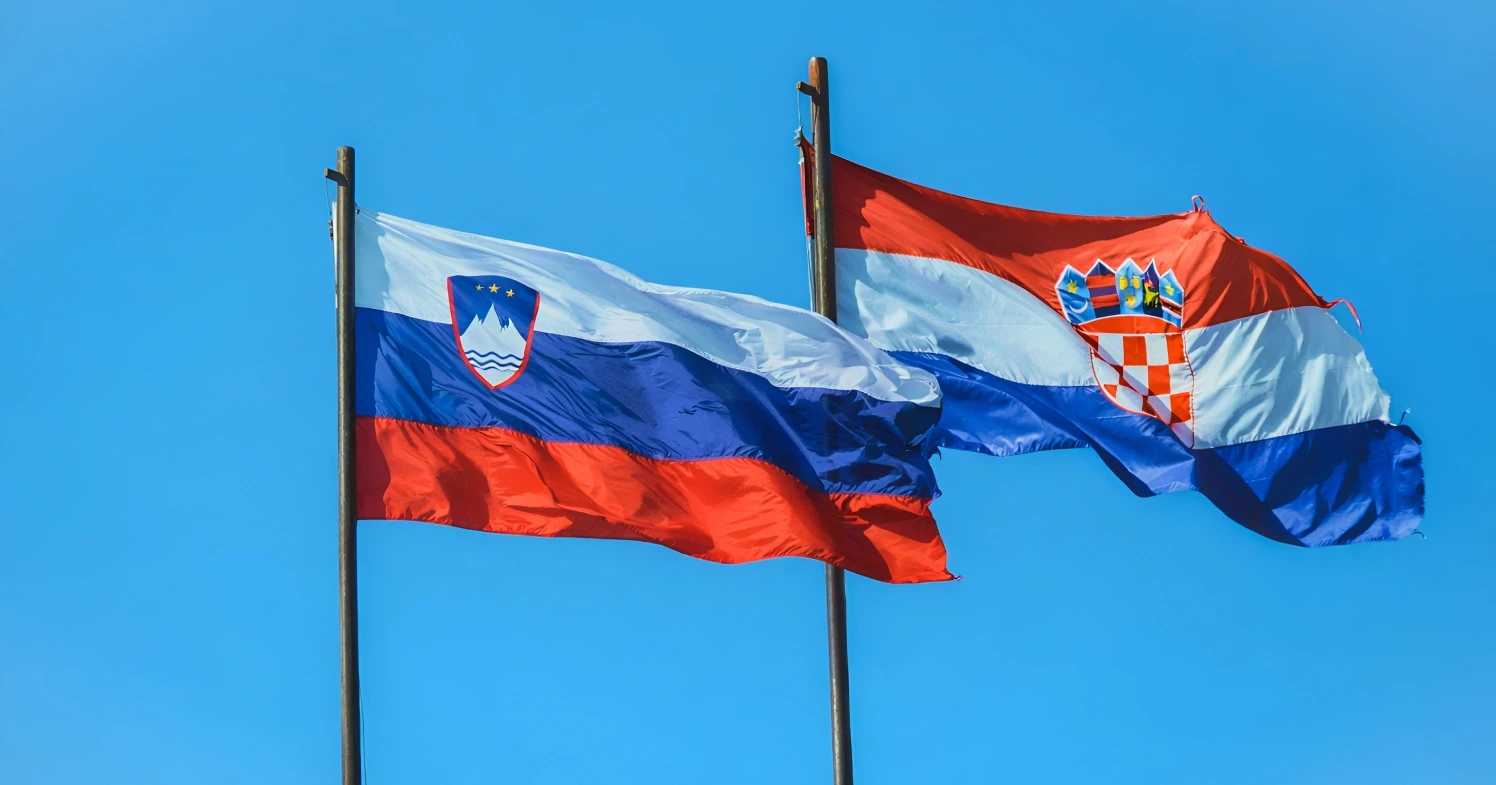
An interesting parallel is offered by a comparison with neighboring Slovenia, whose rating Fitch raised at the end of 2025 to the high level of A plus (A+). Although both countries share the advantages of eurozone membership, Slovenia stands out for stronger fiscal discipline and faster public debt reduction. While Croatian public debt stabilized at around 56.3% of gross domestic product, the Slovenian model shows even greater resilience to external shocks thanks to diversified exports and a higher level of governance in state institutions.
The difference in rating between Croatia and Slovenia is also reflected in the standard of living. Slovenia records higher gross domestic product per capita and a more stable budgetary position, while Croatia is still battling high inflation. In 2025, inflation in Croatia amounted to 4.4 percent, which is twice the eurozone average. This difference explains why Slovenian citizens cope more easily with rising prices, while in Croatia every increase in food and energy prices is strongly felt in the standard of living of workers and pensioners.
The Croatian government is facing the challenge of a widening budget deficit, which reached 2.5 percent of gross domestic product in 2025. The main causes of this trend are a significant increase in public sector wages, high infrastructure investment, and greater social benefits. Expenditure on wages for employees in state services rose to as much as 13.7 percent of gross domestic product, which is a significant jump compared with previous years.
In addition, the state plans to increase defense spending to 3 percent of gross domestic product by 2030 in line with NATO standards. Although such investments are necessary in the current geopolitical circumstances, they place an additional burden on the budget and require very careful management of public finances so that the deficit does not spiral out of control and jeopardize the current stable rating.
In conclusion, it can be said that a high sovereign credit rating serves as a shield that enables the state to borrow more cheaply on global markets. When a country has a good rating, interest on its debts is lower, leaving more room in the budget for schools, hospitals, and pensions. However, this macroeconomic success often does not immediately reach citizens’ wallets because of persistent inflation and high service prices.
In Croatia, the situation is currently divided. On the one hand, there is record employment and wage growth trying to keep pace with the cost of living, while on the other hand high housing and food costs wipe out a large part of those gains. A professional journalistic view of the situation suggests that Croatia is on a good path toward stability, but that the real test of success will be the moment when rising living standards become visible through actual purchasing power, and not only through statistical reports by international agencies. As long as prices in shops and restaurants rise faster than the European average, the sense of economic progress among citizens will remain overshadowed by figures from Frankfurt and London.