



Slovenia social assistance
Slovenian Ministry Clarifies: Family with Five Children Gets Up to €2,799.63 in Aid, Not €3,360
10.11.2025.
11/06/2025
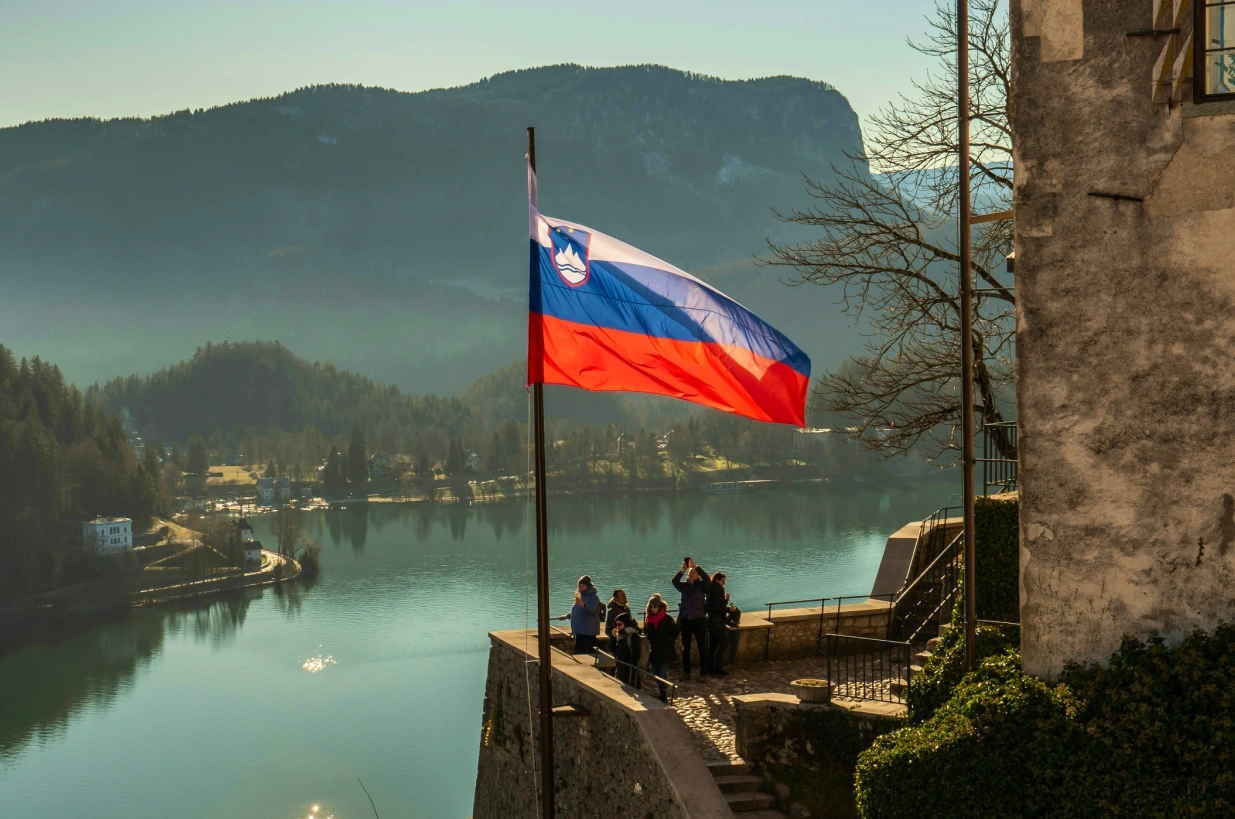
In Slovenia, there is a support system for families who do not have permanent employment and do not own property, whose aim is to ensure that basic living needs are met.
The system is designed to help the most vulnerable, but the figures show that for some families the amount can be significantly higher than many expect. The example of a family with five children, whose parents have never worked and own no property, shows that annual state assistance can reach as much as 40,320 euros, which amounts to 3,360 euros per month. Such examples raise the question of motivation to work and the sustainability of the system.
According to the portal Slovenske novice, the amount of assistance includes several types of benefits. First, there is cash assistance for living expenses, intended to cover basic needs such as food, clothing, and utility costs. Then, each child in the family brings a child allowance, which is money to cover the costs of upbringing and everyday needs. In addition, families with more children receive a large family allowance, a small amount that recognizes the additional costs of parenthood, as well as special assistance, which is paid out in emergency situations, for example in the case of extraordinary expenses or problems paying bills.
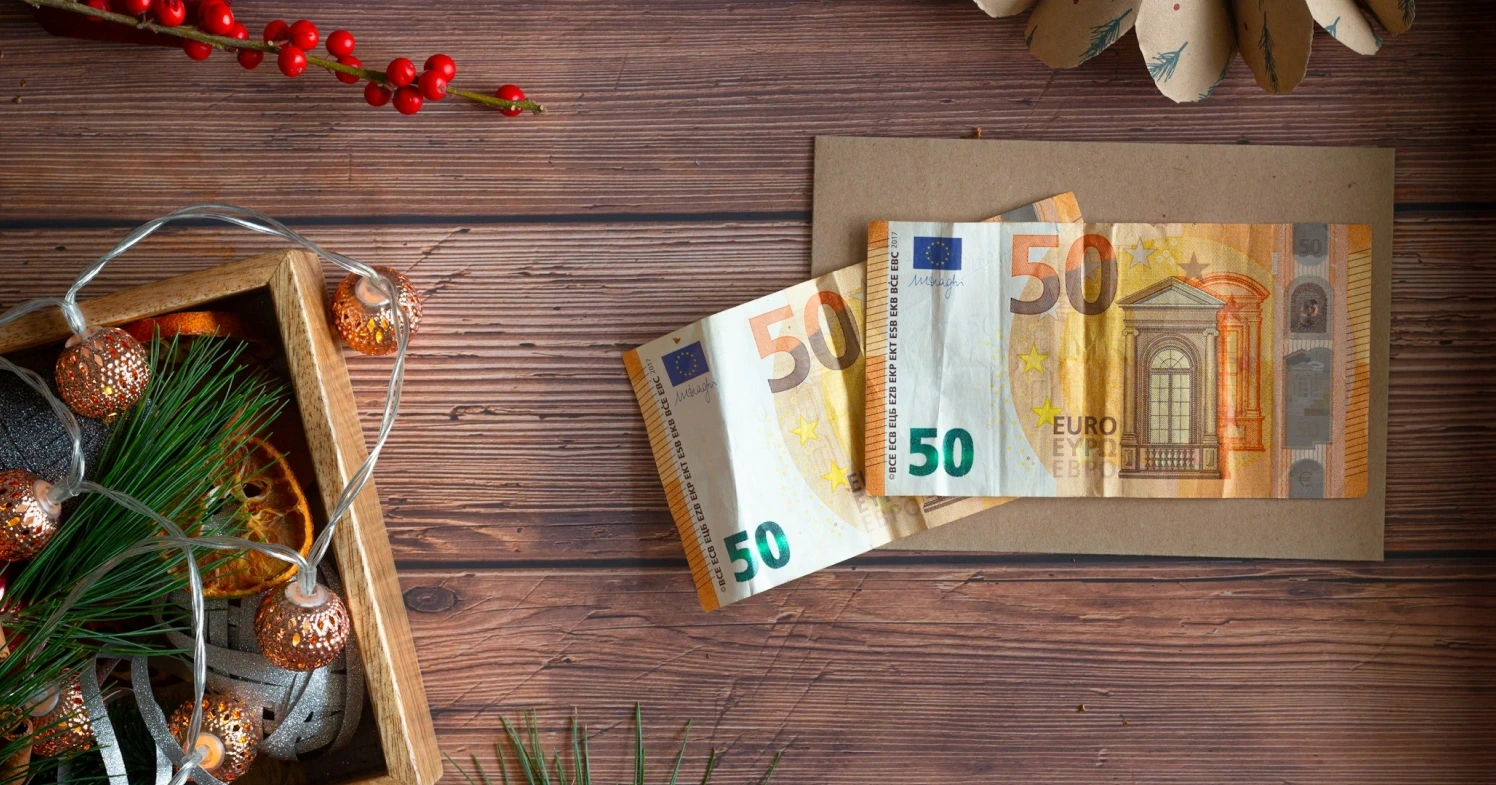
In the case of a family with five children, the monthly amount looks like this: cash assistance for living expenses 2,233 euros, child allowances 705 euros, large family allowance 50 euros, and special assistance 372 euros. Altogether, this amounts to 3,360 euros per month or 40,320 euros per year.
If the family has fewer or more children, the amount changes proportionally; for three children it is 28,428 euros per year, and for seven children 52,056 euros. The system also allows supplements in special circumstances; for example, if the parents formally live separately and one parent pays no obligation at all to the other, a single-parent family with five children can receive 3,879 euros per month or 46,548 euros per year.
In addition to cash funds, the state also offers a range of other benefits. This includes free kindergarten for children, subsidized apartment rent for families in need, free health insurance, free meals in schools and kindergartens, free textbooks, and state scholarships for school-age children. There are also subsidies for vehicle registration and tolls, free media contributions, as well as packages of food and basic necessities distributed by humanitarian organizations such as the Red Cross. All these benefits further increase the family's real income and enable them to have a standard of living far above the minimum.
The system is designed to protect families who do not have enough money to live on, but these examples show that for some families the amount can be substantial. In practice, this means that a family with no permanent job and no property, with five children, can live relatively comfortably thanks to state support. For the average citizen who works and earns a salary, this seems unbelievable, but the system is transparent and public, and the amounts are regularly published and adjusted according to the number of children and the family's living conditions.
In conclusion, while the social assistance system in Slovenia helps the most vulnerable, the example of a family with five children clearly shows that for some families it does not even 'pay' to work. Such examples spark public debate about how to ensure a fair system that motivates people to work while at the same time protecting those who truly do not have enough. Transparent presentation of these amounts and benefits helps everyone understand the logic of the social system and the conditions for receiving assistance.