





HUP price caps
HUP Calls for End to Price Caps and Sunday Work Ban: Government Yet to Accept Proposals
20.01.2026.
02/06/2026
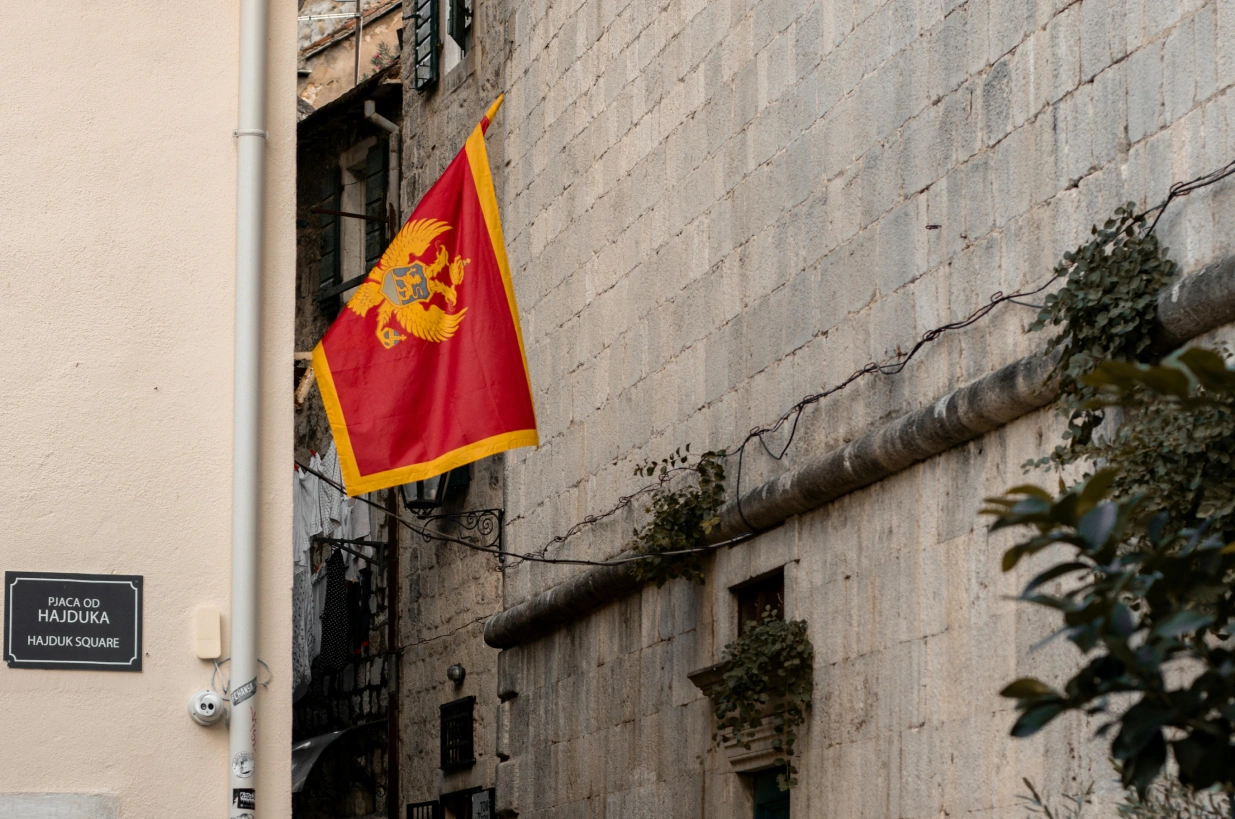
The Constitutional Court of Montenegro has made a historic decision declaring unconstitutional an article of the Law on Internal Trade that for years restricted the operation of shops on Sundays and holidays.
The court's assessment is based on the conclusion that the current ban directly violated the constitutionally guaranteed freedom of entrepreneurship and the principle of equality of all citizens and economic entities before the law, writes index.hr. With this decision, the discriminatory practice under which certain shops, such as mixed-goods stores, had to remain closed while others were allowed to operate has been abolished.
The court's reasoning emphasizes that the legislator did not provide an objective and reasonable justification for favoring specific establishments such as pharmacies, bakeries, and gas stations over the rest of the retail sector. Such selective application of the rules led to an unequal position in the market, which is contrary to the state's obligation to ensure fair market competition. Although the decision has been made, the work ban remains in force until its official publication in the state gazette, thus ending a years-long dispute initiated at the request of the Employers' Union.
The legal battle over non-working Sundays in Montenegro has lasted since mid-2019, when parliament adopted strict restrictions aimed at protecting workers' rights. However, the Constitutional Court sided with employers, considering that workers' rights can be protected through other legal mechanisms, and not through a complete work ban that undermines economic freedoms. This decision represents a significant shift in the economic policy of the neighboring country and opens the way to the complete liberalization of retail activities during weekends, writes Index.hr.
While Montenegro is moving toward lifting bans, Croatia continues to maintain a model of limited Sunday work, with a fixed number of working Sundays during the year. Still, even in the domestic context, important changes are taking place that aim to establish a balance between preserving tradition and the economic survival of small entrepreneurs. Special emphasis is placed on amendments to the Crafts Act that would allow family crafts to once again operate freely on Sundays, provided that only the owners or members of their immediate family work in them.
Such amendments to the law in Croatia signal an attempt to save small traders and traditional crafts that have been most affected by the current restrictions. Unlike large retail chains that can more easily absorb the losses from non-working days, family crafts often depend precisely on the turnover generated during weekends. By allowing only family members to work, the state seeks to respect the social consensus on Sunday as a non-working day for workers' rest, while at the same time providing a lifeline to micro-entrepreneurship, which is the foundation of the local economy.
The decision of the Montenegrin Constitutional Court sends a strong message to all countries in the region about the sensitive boundary between state interventionism and market freedoms. While Montenegro is returning to complete freedom of work, the Croatian model with a focus on family crafts offers a compromise solution that seeks to reconcile social sensitivity and economic necessity.
In the long term, the stability of the retail sector will depend on the legislator's ability to create rules that are equal for everyone, without creating privileged groups, while simultaneously protecting the dignity of those who spend those Sundays at their workplaces.