




EU Eurostat
EU Inflation Stalls, Croatia Speeds Up Again: Third-Highest Price Growth
17.12.2025.
12/16/2025
Eurostat data, the European statistical office, for 2024 clearly show food price levels across Europe.
Although Croatia is often perceived as an affordable destination, especially compared to the western member states of the Union, the analysis of food prices reveals a surprising fact: food prices in Croatia are almost identical to the European Union average.
According to Eurostat's price level index (PLI), where the average of the 27 EU member states is the reference 100, food prices in Croatia are 0.5 percent higher than the Union average. That figure of 100.5 refers to the Food category, which includes a wide range of products such as meat, bread, dairy products, fruit, and vegetables.
It is precisely this close link to the EU average that is interesting when compared with the most developed member states of the Union. Although the overall cost of living and service prices in those countries are incomparably higher, the data clearly show that food in Croatia is still more affordable than in western countries. Food prices in Croatia, which are just 0.5 percent above the European average, are lower than in Italy, where prices are 4.0 percent above average, Germany, which records 2.9 percent above average, and Austria, where prices are 10.9 percent higher than average.
Croatia thus positions itself somewhat more favorably than the mentioned countries, shattering the myth of drastically cheaper shopping for basic groceries in those countries. Prices in Croatia are also significantly more affordable than in Ireland, where food is a high 11.9 percent more expensive, and Denmark, 19.3 percent more expensive. Compared with Mediterranean EU countries, food prices in Portugal are only 0.6 percent higher than the EU average, which is similar to Croatia, while in Spain food is 5.4 percent cheaper than average.
Prices in Croatia are also significantly more affordable than in Luxembourg, which, with prices 25.7 percent higher than average, is the most expensive country for food in the European Union.
Romanians get the best deal in the EU, whose food is 25.4 percent cheaper than the EU average.
However, the picture changes drastically when Croatia is placed in the context of neighboring countries outside the European Union. Food prices in Croatia, which are at the level of the EU average, are significantly higher than in those countries. Serbia is noticeably more affordable, with food that is 4.3 percent cheaper than the EU average. Bosnia and Herzegovina and Montenegro record similar, significantly lower prices, around 17.5 percent below average. North Macedonia is drastically more affordable, with food prices that are 27.0 percent lower than the EU average.
The most expensive food, with prices an incredible 61.1 percent above the European Union average, is recorded in Switzerland.
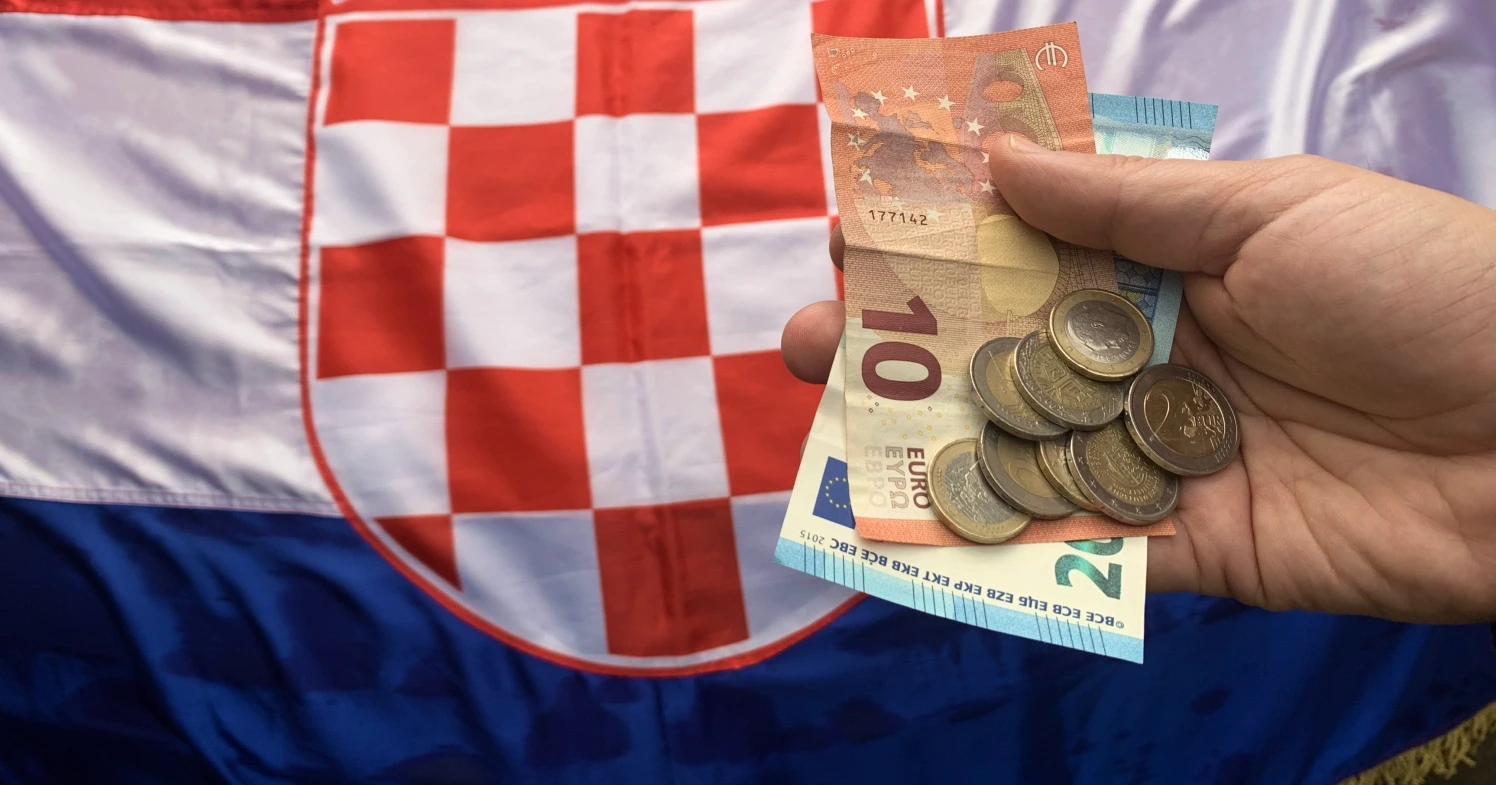
This breakdown of Eurostat data suggests that Croatia's integration into the single market and adoption of the euro may have contributed to food prices reaching the European Union average. Although the general cost of household consumption remains below the EU average, the equalization of food prices indicates that domestic consumers, when it comes to filling their baskets, have reached the price standards of developed European markets.