





promised land abroad
What Is the New Promised Land for Living and Working — and Does It Even Exist?
15.04.2025.
11/18/2025
Yesterday we published Eurostat's data on the average annual adjusted salary for full-time work, and today we bring a more detailed comparison.
The latest wage data in the European Union once again show significant differences among member states. Croatia still remains in the lower part of the ranking, with average earnings that significantly lag behind the Western European standard and remain below the level of some neighboring countries.
According to the latest Eurostat data, the average annual adjusted salary for full-time work in the European Union in 2024 amounted to around 39,800 euros. Although the average salary across the entire Union rose to a respectable 39,800 euros, Croatia, with an annual salary of 21,523 euros, is almost twice as far from the European average.
The biggest surprise lies in the comparison with countries that are geographically, and partly historically, close to us.
A look at neighboring Austria is a cold shower for Croatian workers. In Austria, the average annual salary amounts to as much as 54,508 euros. This means that an Austrian earns 2.5 times more per year than a Croatian worker for the same amount of work. That ratio clearly explains why Austria is still one of the most desirable destinations for leaving Croatia, regardless of all the stories about economic growth at home.
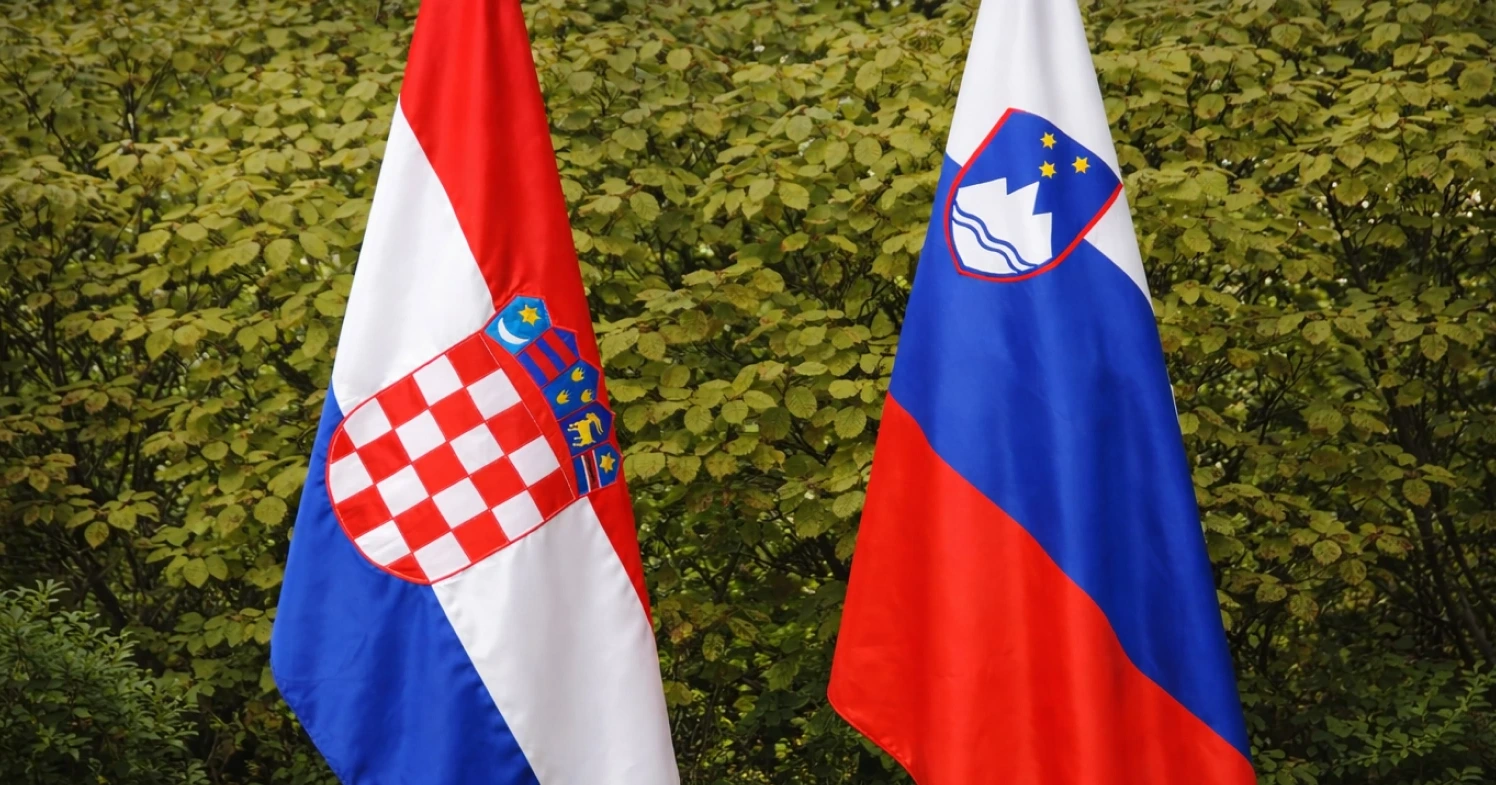
At the same time, Slovenia, with annual earnings of 33,081 euros, keeps pace with the European average and according to these data achieves a wage level about 54 percent higher than Croatia's. Slovenians earn as much as 11,558 euros more per year than Croatians.
At the top of the European ranking, differences in earnings are especially pronounced.
In Luxembourg, where the highest salary was recorded, a worker receives an average of an incredible 83,000 euros per year. That is almost four times more than what is earned on average in Croatia.
The situation is similar in Denmark (71,600 euros) and Ireland (61,100 euros), where salaries are three times higher.
Even powerful Germany (50,998 euros) pays an average salary that is more than twice as high as ours.
These figures mercilessly show that Croatia still lags significantly behind the Western European standard, and stories about wages catching up in this light sound only like mild consolation.
When Croatia, with an annual salary of 21,523 euros, is viewed on the map of the European Union, it is clear that we are in the densest group, positioned near the very bottom. Alongside Croatia in terms of average annual salaries are some other countries of Central and Eastern Europe, including Latvia (22,293 euros), the Czech Republic (23,454 euros), and Lithuania (21,178 euros).
Although we are better than the worst on the list, that is little consolation.
At the bottom of the ranking is Bulgaria (15,400 euros).
Above it are Greece (18,000 euros) and Hungary (18,500 euros).
Still, the difference between Croatia and the lowest-ranked Bulgaria amounts to only 6,123 euros per year, which shows that Croatia has still not significantly moved away from the bottom of the EU ranking.
Eurostat's data indicate that the average Croat still has to work almost four years to earn what a Luxembourger earns in just one.
See the list of annual adjusted salaries in the EU (2024) according to Eurostat data:
*The Netherlands is not included in Eurostat's comparison due to methodological differences.