




Croatia Sarah Seifert
Well-Known Croatian Woman Speaks Out: '€227 Utility Bills for a Single Person Prove Life in Croatia Is No Longer the Same'
23.02.2026.
10/20/2025
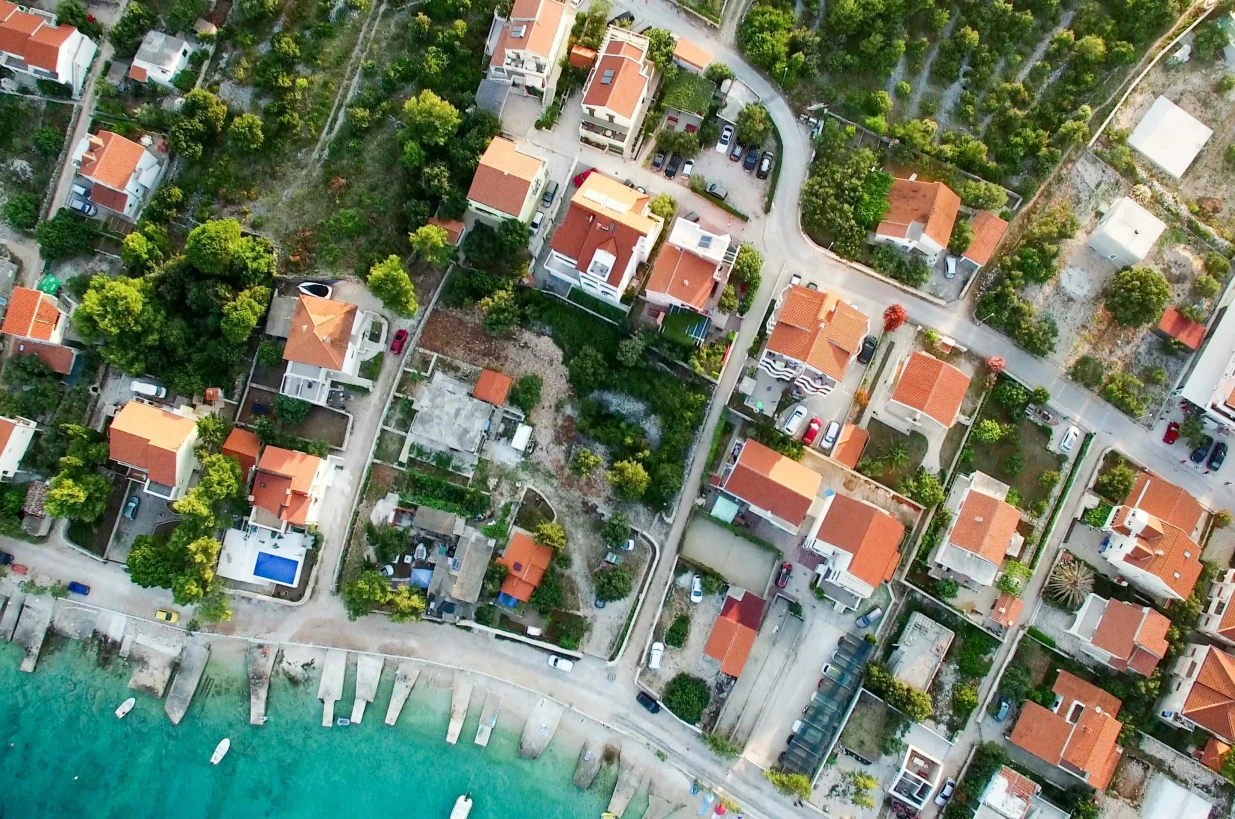
Housing in Croatia is becoming increasingly inaccessible to young people due to rising real estate prices, low wages, and the absence of a systematic housing policy, forcing them to stay longer in their parents' homes.
Experts warn that this situation has serious psychological consequences, encourages emigration, and deepens social inequalities.
Apartment prices continue to rise while wages remain at low levels, writes index.hr. According to data from the Institute of Economics, the average price per square meter of an apartment in Split reaches 3,462 euros, in Omiš 2,750 euros, in Solin 2,464 euros, and in Trogir 2,359 euros. Such amounts prevent young people from acquiring initial capital or obtaining loans, which leads to delaying independence, moving abroad, or remaining in the parental home even after the age of thirty.
Psychologists point out that housing insecurity causes emotional problems, including feelings of helplessness, shame, and loss of control over life. Students and young people who have experienced independent living, such as Lara Zubanović from Split, confirm that private space is crucial for a sense of freedom, responsibility, and self-confidence. Returning to the parental home often brings frustration and reduced privacy, which can affect emotional maturity and identity development.
The mental health of young people is further endangered because parents sometimes take over responsibilities that young people should resolve themselves. According to retired psychologist Mirjana Nazor, such dynamics lead to reduced self-confidence, feelings of incompetence, anxiety, and depression, especially when young people see the successes of their peers on social media.
Housing is increasingly viewed as a means of profit rather than a basic human need, emphasizes Professor Jere Kuzmanić from Universitat Politècnica de Catalunya. In Croatia, many households earn income through renting or tourism, which leads to a drastic rise in prices and pushes young people out of the market. Ineligibility for credit and the lack of social housing further limit young people's opportunities to become independent.
The consequence is that young people make life decisions not based on the desire for a better life, but according to the only available option, often returning to their parents, giving up on studies, or going abroad. As Kuzmanić points out, in Split there is a widespread feeling of helplessness with the slogan "living parent, dead capital," which describes the reality of many young people who accept bad jobs just to achieve minimal independence.