


Zagreb salaries
Average Salaries in Zagreb in September 2025: Significant Year-on-Year Growth
11.12.2025.
07/22/2025
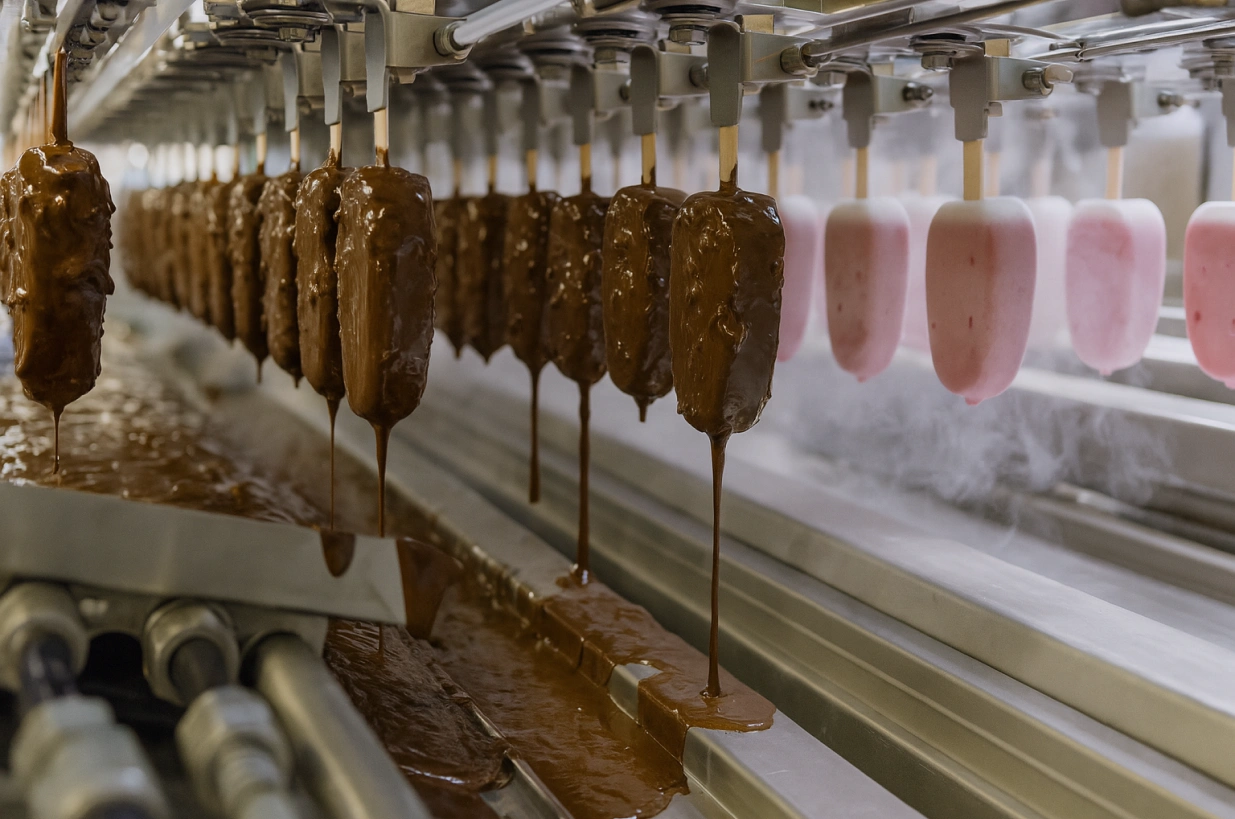
Ledo, Croatia’s leading company in the production of frozen food and famous ice creams, achieved notable financial success over the past year and further strengthened its market position.
According to official data, Ledo’s total revenues reached 183 million euros, representing a five percent increase compared to the previous year. Net profit amounted to 6.8 million euros, as much as four and a half times higher than in the previous business year, which testifies to the efficiency of operations under the umbrella of the global group Nomad Foods, which is the leader by share in the European frozen food market.
Significant growth in wages and employment
At the end of December, around 1,030 workers were employed at Ledo, seventy more than a year earlier. The average net salary of all employees last year rose to approximately 2,250 euros, which is an increase of 500 euros compared to the previous year. This growth is the result of better business results and the strengthening of workers’ living standards, writes the portal Danica.hr. The salaries of the members of Ledo’s three-member management board last year averaged 23,800 euros gross per month, while the net amount was about 500 euros lower compared to the previous period, according to verified data from the revised annual report.
Expansion in export markets
The Adriatic region, including Hungary, remains Ledo’s most important export area. The company covers the Croatian, Serbian, and Bosnian-Herzegovinian markets through the companies Ledo Hrvatska, Frikom, and Ledo Čitluk, which are leaders in their countries and rely on a strong distribution network. In Hungary, Slovenia, Montenegro, Kosovo, and North Macedonia, Ledo and Frikom products reach consumers through distributors. Direct exports were realized last year in as many as 20 countries, and a significant jump was particularly noticed in Austria and Albania.
The markets of Southeast Europe have great growth potential due to lower consumption of ice cream and frozen products per capita compared to the European Union average, which provides the company with an opportunity for long-term expansion. With its products, especially recognizable ice creams such as King, Maximo, Macho, and Snjeguljica, Ledo has also established itself in demanding markets such as Austria and the Scandinavian countries.
Ledo within the Nomad Foods group
Nomad Foods, the multinational owner of Ledo, brings together some of the best-known names in frozen food on the European continent. The group employs more than 8,000 workers in total and manages a portfolio of market leaders in Western, Central, and Eastern Europe. Alongside a strong domestic brand, Ledo traditionally appears and innovates through numerous new products in the segments of frozen food, fish, vegetables, and ready meals.
The frozen food market alone is worth around 55 billion euros in Europe, and Nomad Foods has about an 18% share of the Western European market. Ledo, the first producer of industrial ice cream in Croatia since 1958, has not remained only within national borders; it is present on as many as three continents thanks to cooperation with major global retail chains and exports to countries such as the USA, Israel, the United Arab Emirates, Libya, and Azerbaijan.
Special emphasis on innovation
Beyond financial parameters, Ledo can also boast awards for innovation at global ice cream competitions. For example, their King ice cream has already been declared the most innovative at prestigious global trade fairs, while the Quattro and Ice Snack lines have become popular among families and young people across Europe. The offer includes a wide range of frozen vegetable and fish products, lasagna, and even traditional homemade specialties.
Modern consumers increasingly value convenience, safety, and long shelf life of food, which works in favor of Ledo and the entire frozen food industry. The advantage of such products lies in preserving nutritional values during storage and reducing food waste in households. European markets, especially Western ones, have recorded growth in the frozen food segment in recent years, with the share of vegetables, ready meals, and high-quality ice creams increasing year after year.
In the past period, Ledo has continuously invested in production modernization, process automation, and logistics digitalization, which enables greater efficiency and a smaller environmental footprint.