

Noesis d.o.o. Belgium
Well-Paid Job Opportunity: Bricklayers Wanted in Belgium, Earn Up to €5,500 Net Plus Accommodation
28.05.2026.
05/13/2025

Photo / Photo: Freepik
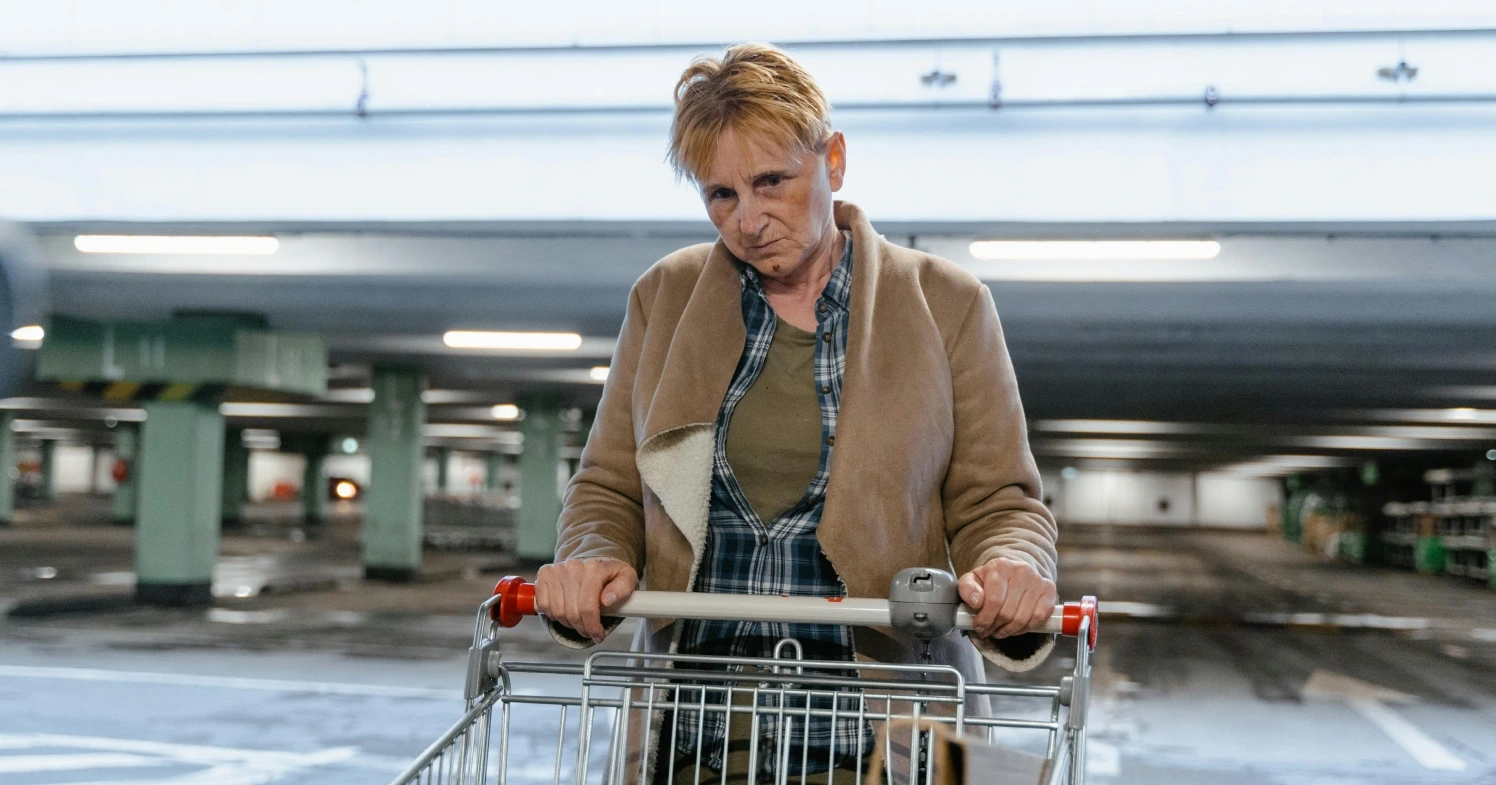
Loneliness among older people is becoming an increasingly serious challenge in Europe, and it became especially evident during the pandemic, when many lost daily contact with family and the community.
Belgium responded to this problem with an innovative solution: postmen were given a new, socially important role, writes index.hr.
A program called 'bclose'
The national postal service launched the 'bclose', through which postmen visit older people who have signed up for the program while delivering mail. During these visits, postmen ask them how they are feeling, monitor their health, and note their needs. If they notice signs of loneliness, depression, or other difficulties, they immediately inform local social services, which can respond in time.
This approach has proven extremely successful because postmen, who visit homes every day, are often the first to notice changes that would otherwise go unnoticed. Before they begin their rounds, postmen undergo special training in the field of social care.
The model is spreading
The Belgian model has also been recognized by other European countries. The French postal service offers older people the option of visits from postmen, and similar services are also being developed in Finland. This example shows that caring for older people can be simple and at the same time extremely effective when the whole community takes part in it.
Could such a program take root in the Balkans as well?
Given that countries in the region are also recording an increasing share of older population and a growing problem of loneliness, such an initiative could have great potential. Many older people in Croatia, Serbia, Bosnia and Herzegovina, and other Balkan countries live alone or are far from their families, which further increases the feeling of isolation.
Although family and relatives are often the main source of support, in practice it turns out that this network is not always sufficient, especially in smaller communities or among those who live alone.
Introducing a similar program, in which postmen or other field workers would regularly visit older people, could enable the timely recognition of problems and a faster response from social services. Of course, for successful implementation it would be necessary to provide additional education and support to postmen, but the Belgian example shows that with good organization and cooperation from the local community, significant results can be achieved.