


Bulgaria euro
Bulgaria Plans to Adopt the Euro in 2026 Despite Discontent and Protests
27.06.2025.
06/30/2025
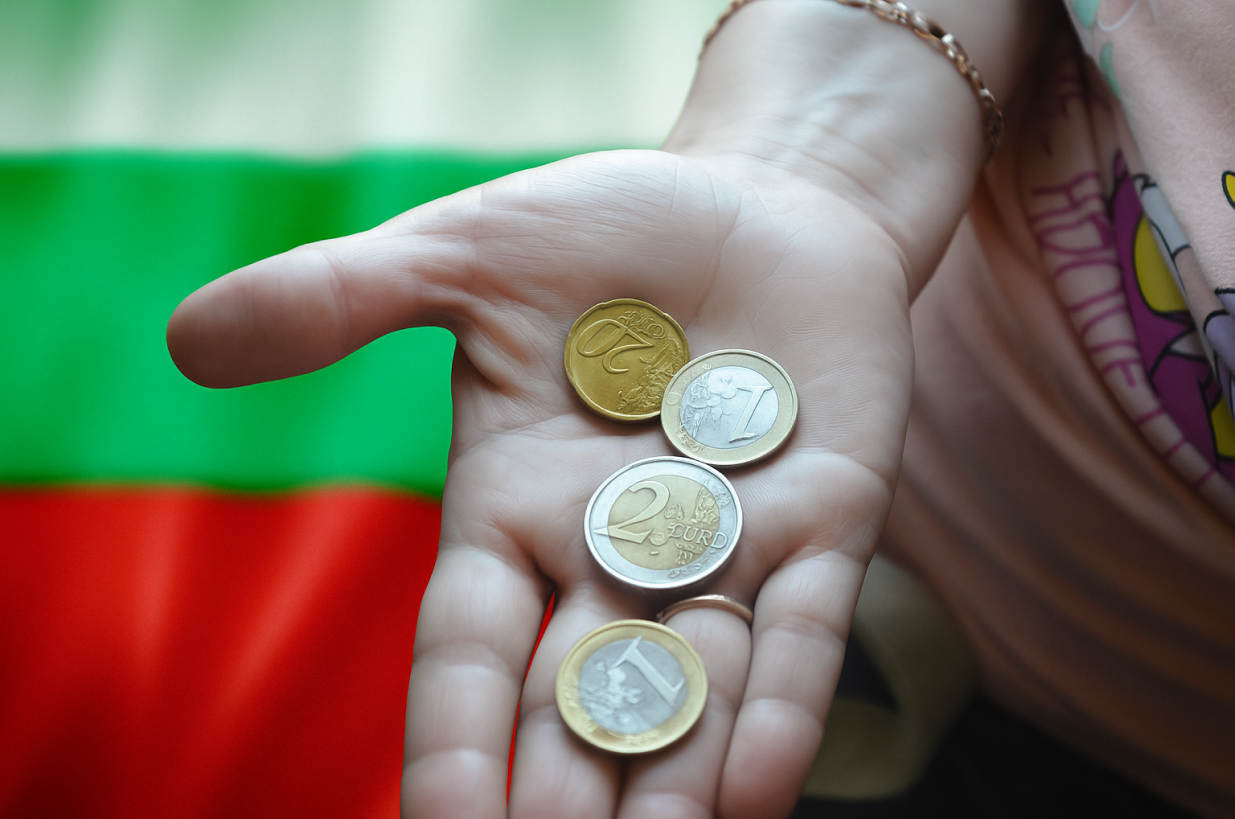
Bulgaria will officially become the 21st member of the eurozone on January 1, 2026, after European leaders definitively approved the replacement of the lev with the euro in July 2025. The decision came after years of preparations, reforms, and the country's inclusion in the European Exchange Rate Mechanism II back in 2020. After Bulgaria failed to meet all the entry criteria in 2024, European institutions confirmed in June 2025 that inflation and public finances were sufficiently stable and that all formal conditions had been met.
The exchange rate at which the conversion will be carried out is firmly defined: 1 euro is worth 1.95583 lev. In addition to its political significance, the euro will also bring economic benefits such as strengthening the investment climate, cheaper lending, and easier business operations within the European community.
The economic criteria for joining the eurozone required a series of fiscal and structural adjustments. According to reports by the European Commission and the European Central Bank, Bulgaria met the criteria for sustainable inflation and public debt. Inflation, which stood at 4.4% in June 2025, is expected to fall to around 2.1–2.3% by 2026, according to forecasts by analysts and economic institutions. Among the key benefits of joining the eurozone, experts include greater economic stability, a better credit rating, and the elimination of currency risk.
Despite official optimism, Bulgarian society is divided over the introduction of the euro. Nationalist and pro-Russian parties, supported by civic initiatives, organized a series of large protests in Sofia, especially in the summer of 2025. Protesters warn of the loss of monetary sovereignty, rising prices, and general uncertainty about the medium-term consequences.
Particularly strong was the referendum initiative — more than 600,000 citizens signed a petition demanding a binding vote on the future of the national currency. However, the Bulgarian parliament and the Constitutional Court rejected that request, arguing that a referendum would be unconstitutional and that the necessary decisions had already been confirmed by European treaties and earlier court rulings.
According to surveys, more than half of Bulgarians fear the introduction of the euro due to the expected increase in prices and loss of identity. Disinformation and campaigns are spreading on social media, further increasing uncertainty and fear among citizens. Research shows that opponents of the euro are mostly older citizens and those inclined toward political Euroscepticism, while the younger population adapts more easily to change.
Inflation was one of the main arguments of opponents of the rapid replacement of the lev with the euro. Analytical models predict that inflation in Bulgaria will fall to around 2.1–2.3% by 2026, which is in line with European convergence criteria. Historically, the Bulgarian lev has long been pegged to the euro at a fixed exchange rate, which reduced currency risk and stabilized the prices of goods and services.
However, experts warn that, as in other countries, there will be short-term inflationary pressure due to the psychological effect of the currency change and possible upward rounding of prices. On the other hand, long-term benefits are expected, such as simpler international trade and greater economic resilience.
Studies suggest that possible institutional weaknesses or market inefficiencies could increase the inflationary effect during the switch to the euro. Estimates of the loss of purchasing power vary, but most analysts emphasize that public perception of rising prices is often stronger than the actual statistical increase, as is also evident from recent experiences in other EU countries.
Croatia introduced the euro on January 1, 2023, becoming the 20th member of the eurozone. The transition went relatively smoothly, without major protests or resistance, with strong institutional support and a clear media campaign. Citizens' fears were mainly related to rising prices and potential difficulties in currency conversion, but most accepted the changes pragmatically and without major social tensions.
Data show that immediately after the introduction of the euro in Croatia, prices increased by about 0.4 percentage points, which is in line with the experiences of other eurozone countries. However, prices in Croatia later continued to rise more and for longer than in most other European member states, which citizens felt as a consequence throughout 2024 and 2025. The largest increases were recorded in the service sector and food products, while the overall benefits of the euro are greater economic stability, increased resilience to crises, and broader international recognition.
Finally, the Croatian experience confirms that fear of inflation is partly justified, but also that long-term benefits, especially in investment growth and economic stability, outweigh the initial challenges.
Bulgaria's entry into the eurozone is a symbol of European cohesion, but also an opportunity to create a more stable investment environment and strengthen regional integration. At the same time, Bulgaria is strengthening its position within Schengen and expanding benefits for global citizens and entrepreneurs, which further increases the country's attractiveness as a business destination.
Adaptation and communication with citizens
The main challenge will remain communication, education, and reducing citizens' fears. Experiences from Croatia point to the importance of transparency, institutional support, and timely responses to any price deviations or market manipulations. The decision to introduce the euro will mark Bulgaria's economic and social future in the long term and test the state's resilience and trust in the European community.
Bulgaria, after years of reforms and political turmoil, stands before a key moment: to replace its national currency with the euro and thereby cement its place at the heart of European economic and political integration. The process is not without challenges or controversies, but historical experience and European institutions indicate that the long-term benefits outweigh the initial risks and the resistance of part of the population. In 2026, Bulgaria will definitively write a new page in its European story.