

foreign workers Croatia
Cost of Living in Croatia: How Much Does Daily Life Cost for a Filipino Worker?
16.02.2026.
02/13/2026

While we encounter delivery workers on bicycles or workers on scaffolding every day, we rarely ask ourselves what actually lies behind their gazes.
The latest research by the Institute for Migration Research led by Dr. Ivan Balabanić, conducted on a sample of 429 workers from Asia and Africa in Zagreb and the surrounding area, gives us the most detailed insight so far into their daily lives.
The results shatter many prejudices, but also reveal a population living in a kind of social bubble, isolated from the society in which they earn a living.
The story of foreign workers in Croatia is above all a story of financial sacrifice. In order to even reach our labor market, these people go through financially exhausting processes. The research reveals that more than 12% of respondents had to pay more than 5,000 euros to come to Croatia, while most of them spent between 1,000 and 3,000 euros on visas and agency fees. That initial debt is a strong motivator to work, which is also confirmed by the fact that more than 81% of workers regularly send money to their families.
The quality of life in Croatia has improved for the vast majority upon arriving in our country. At least that can be read from the report, according to the data that almost 78% of respondents believe that their standard of living is at least slightly, if not significantly, better than in the homeland they came from. Still, these people are here primarily to secure a livelihood for those they left thousands of kilometers away.
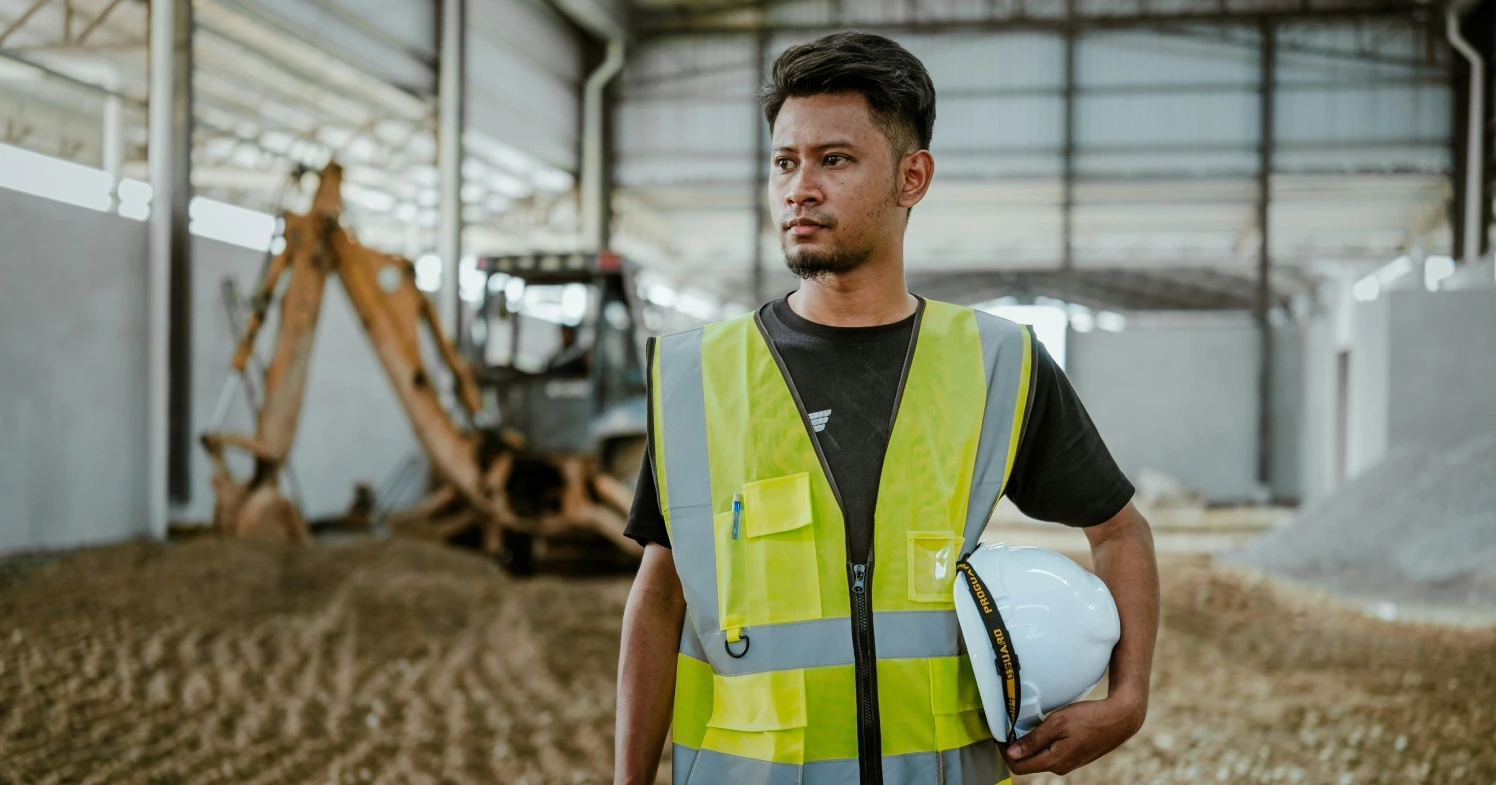
Although there is a perception that foreign workers are exclusively on construction sites, the structure of work sectors is diverse. The largest share, 28% of them, works in the transport sector, which includes food delivery, postal services, and taxi services. This is followed by hospitality with 18.4%, while construction is in third place with a 17.5% share.
As for safety, it is among the better-rated dimensions of life. Almost half of the respondents, 47.6% of them, rate their personal safety highly, with scores from 7 to 10. This suggests that they perceive Croatia as a relatively safe environment, which is one of the key factors in their staying.
But on the other side of the coin lies a devastating social picture. Although they share our living space, foreign workers and the domestic population live in parallel worlds. The most striking finding of the research is the one about social isolation, almost 40% of foreign workers stated that they do not have a single close friend from Croatia. Their social life takes place almost exclusively within their communities.
That feeling of not belonging is further intensified by the perception of the hosts' attitude toward them. It is worrying that more than 31% of workers believe that Croats generally do not respect their culture, religion, and tradition. As the authors of the report point out, 'A relatively high level of perceived discrimination suggests the need for the development and implementation of policies aimed at combating discrimination and promoting tolerance'.
Perhaps the most serious warning arising from the work of Dr. Ivan Balabanić and his associates concerns discrimination. It is not rare, but a frequent occurrence. Almost 70% of respondents stated that they had occasionally felt discriminated against, while more than 10% of them felt that pressure constantly.
Only a smaller portion, about 16% of them, stated that they had never experienced such an unpleasant experience. These data suggest that Croatian society, although dependent on their labor, is still closed to truly accepting these people as equal members of the community.
Do these workers intend to settle permanently in Croatia? The data indicate that most of them see our country as a temporary stop.
Only 14% of respondents expressed a desire to stay in Croatia for their whole lives. The largest group, one third of them, plans to stay for six to ten years. Interestingly, a quarter of the workers plan to bring their families, which could create the foundations for new minority communities, but an equal number of them do not plan to do so.
Still, it is encouraging that almost 44% of workers are already learning the Croatian language, recognizing it as a key tool for a better life.
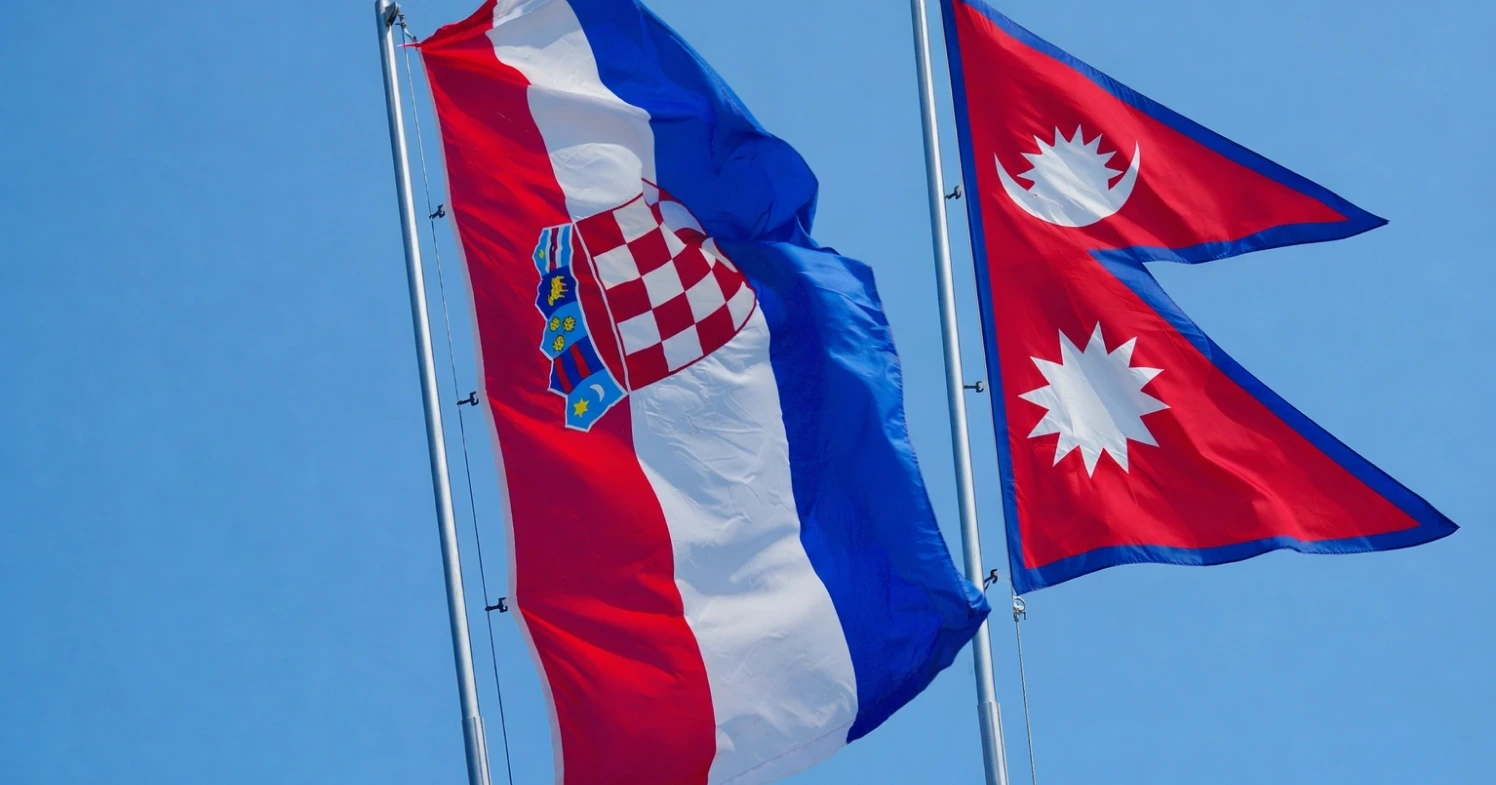
The research led by Ivan Balabanić clearly draws for us the profile of the 'new Croatian worker.' He is most often in his late twenties and thirties, comes from Nepal or the Philippines, and works in delivery or hospitality in order to feed his family. He values the safety that Croatia provides him and believes that his life is better than before, but he feels deeply lonely.
Croatia is at a turning point. We have imported labor, but we have not built bridges toward people. The startling fact about the absence of friendships with the local population and the high rate of discrimination are an alarm for society as a whole. If we do not want to create ghettoized communities and deepen the divide, we will have to learn to accept these people not only as numbers in economic statistics, but as neighbors whom, for now, we still do not know.