


Croatia Bosnia and Herzegovina
Croatian Government Significantly Eases Rules for Drivers from Bosnia and Herzegovina: Visa for Up to One Year in Croatia
30.09.2026.
07/25/2025
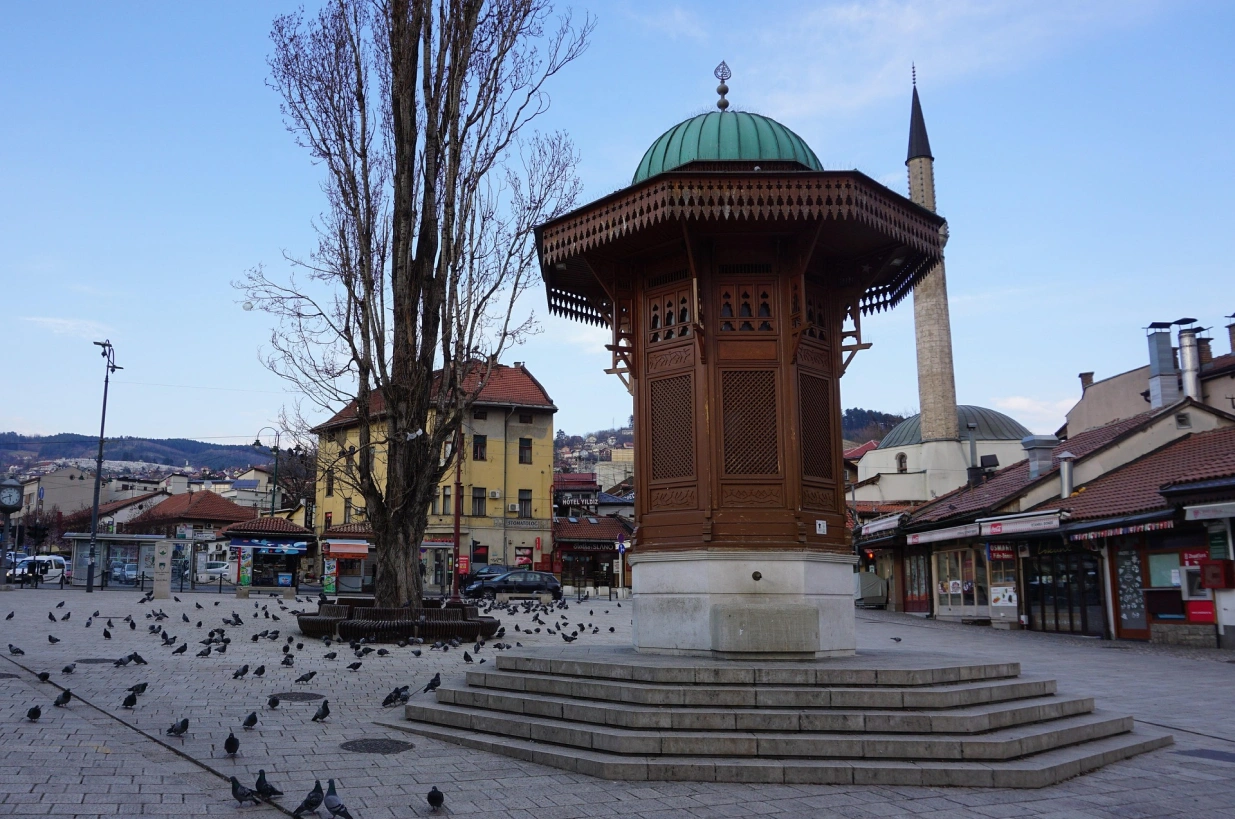
South African entrepreneur and engineer Errol Musk, publicly best known as the father of famous billionaire Elon Musk, stayed in Sarajevo this week where he is considering the possibility of opening a research center dedicated to gravity, spacetime, and longevity.
According to reports by Reuters, he had so far preferred Dubai as the potential headquarters of the institute, but after a recent visit to Bosnia and Herzegovina he is evidently reconsidering his priorities and taking the Balkans more seriously. Musk, a 79-year-old with a rich engineering career, has been searching for the best location for the project for some time, and was further guided by the advice of a friend originally from this region.
During his visit to Bosnia and Herzegovina, he toured several potential sites and told the Klix portal that he was pleasantly surprised by the economic opportunities, availability of resources, and idyllic atmosphere. He admits that the offer from Dubai was exceptional, but Bosnian hospitality and an educated and hardworking workforce made him think seriously.
At a meeting with the Chamber of Commerce of the Federation of BiH, the advantages of the local workforce were emphasized, especially its high level of expertise, which is already well known in scientific and technological circles. Bosnia and Herzegovina has achieved a significant increase in the number of graduates in STEM fields over the past decade, especially at the University of Sarajevo and the University of Tuzla, and young people regularly achieve success in international competitions. Although Musk has not yet spoken with state authorities, he clearly states that this remains a private initiative aimed at bringing together talented, innovative, and open-minded individuals.
Bosnia and Herzegovina is located at the crossroads of East and West, that is, Europe and the Middle East, and stands out for its favorable geostrategic position, competitive business costs, and significant natural wealth. Although the political structure remains complex and bureaucracy is sometimes unstable, science, especially physics and mathematics, continues to advance and attract increasing investment, particularly from the technology sector.
He particularly emphasized the importance of freedom and independence in research, avoiding any form of excessive state oversight that could limit the institute's progress. Along with Bosnia, he has recently also visited Austria and Serbia, which also have a rich tradition in the natural sciences, but he has not yet made a final decision.
According to him, the project would explore four fundamental areas: longevity, fusion, space-time, and gravity - topics at the very center of modern physics and biomedical sciences.
So far, he has spoken publicly about everything without involving his son Elon, although he emphasizes his desire to encourage him to collaborate. It is known that the Musk family's relationships are complex, so such partnerships are not common.
Today, BiH, which has been under international supervision since the 1990s, is intensively developing its innovation potential - through support for startups and foreign investment, especially in the field of information technology and energy. Universities operate in cooperation with partners from the region and Europe, and students regularly win international mathematics and programming competitions.
It remains to be seen whether BiH will become host to a scientific center with global ambitions and attract new talents and investors. Errol Musk's announcement is certainly another confirmation of the country's importance on the technological map of Europe and the world.


