

Croatia foreign workers
Stricter Rules for Foreign Workers in Croatia: Health Certificates and Language Learning Required
19.12.2025.
02/06/2026
The Government of the Republic of Croatia has sent amendments to the Foreigners Act into parliamentary procedure, bringing fundamental changes to the system of employment and residence for third-country nationals.
The key novelty is the introduction of mandatory learning of the Croatian language and passing an exam at the A1.1 level which becomes a prerequisite for extending a work permit after the first year of residence, writes DNEVNIK.hr.
Although workers from Bosnia and Herzegovina and Serbia will probably not have problems passing the A1.1 level exam due to the similarity of the languages, they will still legally have to meet that requirement to extend their permit after one year of residence.
These amendments are aligned with European directives and the Pact on Asylum and introduce stricter control mechanisms at the borders while simultaneously ensuring the protection of the fundamental rights of all workers.
The new legal framework seeks to respond to labor market needs with significant administrative relief, but also by introducing order among employers. Companies that violate regulations will end up on so-called blacklists and lose the right to employ foreigners for one year, while the financial conditions for importing labor are being significantly raised.
Legal entities will have to prove an annual inflow of at least 100,000 euros, and natural persons 40,000 euros, while a positive response for employment will be given only to those who have at least ten percent domestic employees in full-time positions.
At the same time, workers are being given an easier way to change employers after six months of work without the need to issue a new permit, which should increase their mobility and protection from exploitation. However, workers with permits for shortage occupations will be limited to working within those police administrations where that occupation is indeed recognized as a shortage occupation.
All obligations to notify about the termination of an employment contract are transferred to the employer through the eGrađani system, and the foreign worker loses the permit if they refuse a job offered to them by the Croatian Employment Service.
Statistical data for the whole of 2025 confirm that demand for foreign labor has reached a historic maximum, with a total of 170,723 residence and work permits issued. The largest number of permits was issued in the tourism and hospitality sectors, where 52,858 approvals were recorded, and in construction, with 52,776 documents issued. Of the total number, more than 80,000 permits related to completely new employment, while extensions covered 70,275 workers.
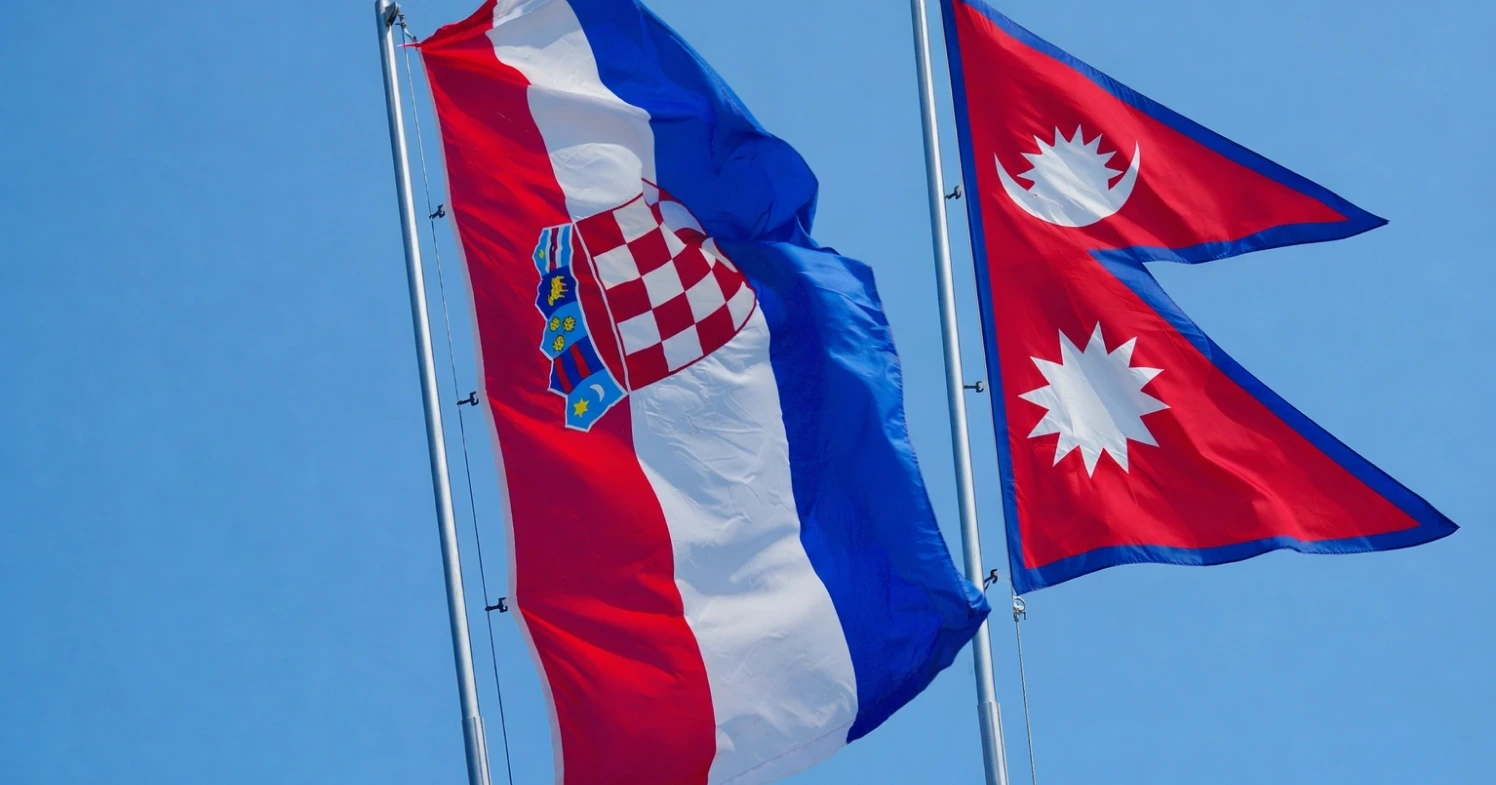
When it comes to nationality, workers from Bosnia and Herzegovina still lead with 32,225 permits, while nationals of Nepal have moved into second place with 31,708 approvals. They are followed by workers from Serbia, as well as the Philippines and India, which clearly shows the diversification of the labor pool. Regionally speaking, the Zagreb Police Administration still bears the greatest administrative burden with more than 43,000 permits issued, which makes up a significant part of the total number at the level of the whole country.
These changes clearly signal that Croatia can no longer function without foreign labor, but also that the time of uncontrolled labor import without integration conditions is drawing to a close. The introduction of a language threshold and stricter control of employers are necessary steps toward a more orderly labor market in which quantity will no longer be the only measure of success. The future of economic stability will depend on how effective these new regulations are in practice and whether the state will be able to provide language-learning infrastructure for the workers on whom its economy now depends.