

foreign workers foreign nationals
Government Introduces Stricter Rules for Foreign Workers: Croatian Language Test Also for Neighbors from Bosnia and Serbia
06.02.2026.
12/19/2025
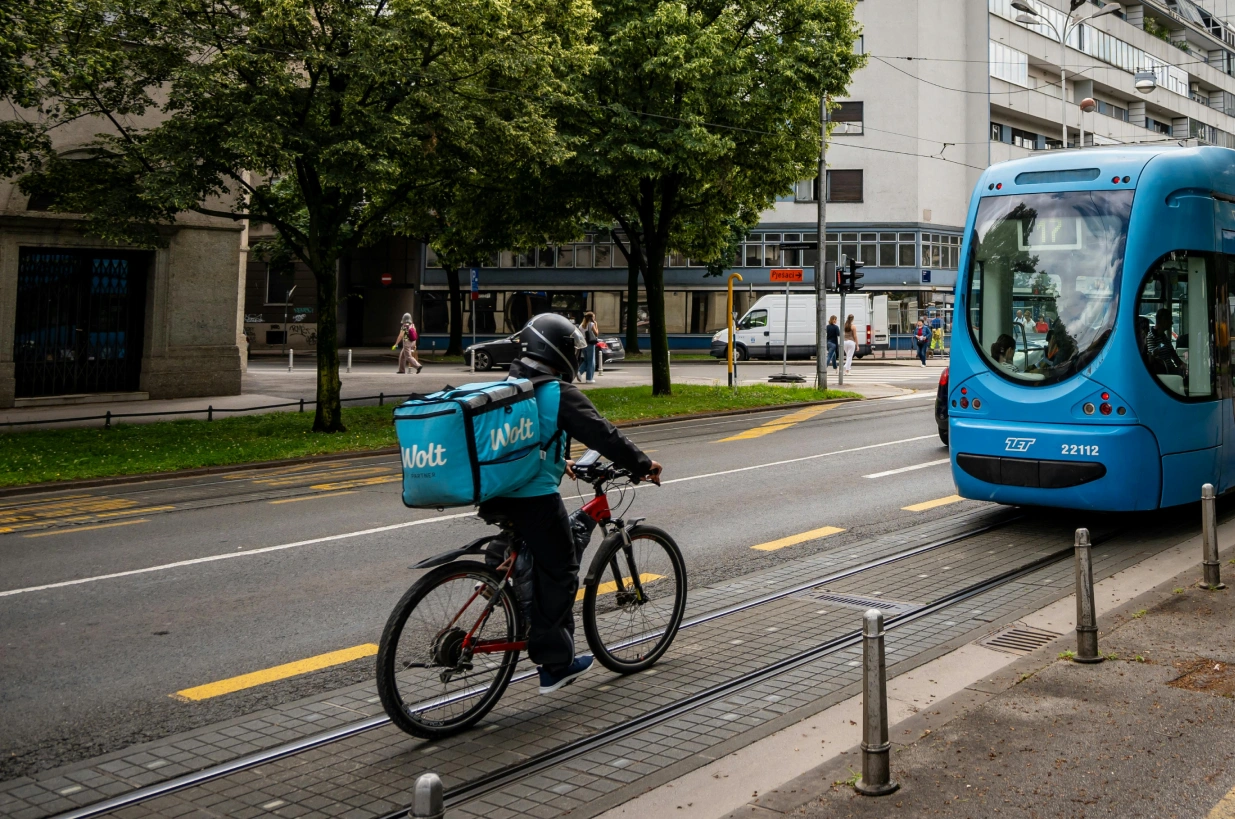
The Croatian labor market is undergoing a significant transformation marked by stricter controls, the suppression of illegal practices, and the introduction of new standards for foreign workers.
According to the latest data from the Ministry of Labor and Pension System, the system has become considerably more regulated, as confirmed by a 17% decrease in the number of new work permits compared to the previous year. At the same time, the number of insured persons in the pension system increased by 10%, suggesting that employers are now planning more long-term and are more often opting to extend existing contracts instead of constant workforce fluctuation.
On the First network on HRT, State Secretary of the Ministry of Labor and Pension System Ivan Vidiš emphasized that the state's priority is the fight against unfair competition and undeclared work. The system is currently stabilizing, and as many as 40% of issued permits relate to extensions, which is a significant jump compared to the previous 25%. This trend indicates that foreign workers are becoming a more permanent part of the Croatian economy, and not just a temporary solution.
The key change in the system is based on three new pillars of control that directly affect the employment process. The first rule concerns strict health requirements. Amendments to the Ordinance on the Residence of Third-Country Nationals provide for the mandatory submission of a certificate of health status and vaccination status when applying for residence for the first time. Miroslav Venus, president of the Croatian Epidemiological Society, points out that the documentation must not be older than 90 days, thereby ensuring preventive protection of public health.
The second important rule is the introduction of mandatory learning of the Croatian language. The state has secured funds from European funds, but due to the weak interest so far, the new legal framework will more strongly encourage overcoming language barriers as a basic prerequisite for integration and work in service activities.
The third rule includes enhanced inspection oversight of wages according to collective agreements, with the aim of preventing the underpayment of foreigners and the consequent lowering of labor prices on the domestic market.
Official statistics from the Ministry of the Interior for the period from the beginning of January to the end of November 2025 confirm these trends and provide a precise insight into the employment structure. During that period, a total of 160,176 residence and work permits were issued. Analysis by sector shows that the greatest pressure remains in tourism and hospitality with 50,530 permits, while construction follows that trend with 49,118 issued documents. A significant number of workers were also engaged in industry, 22,610 of them, while transport and communications and trade absorbed a total of around 20,000 foreign workers.
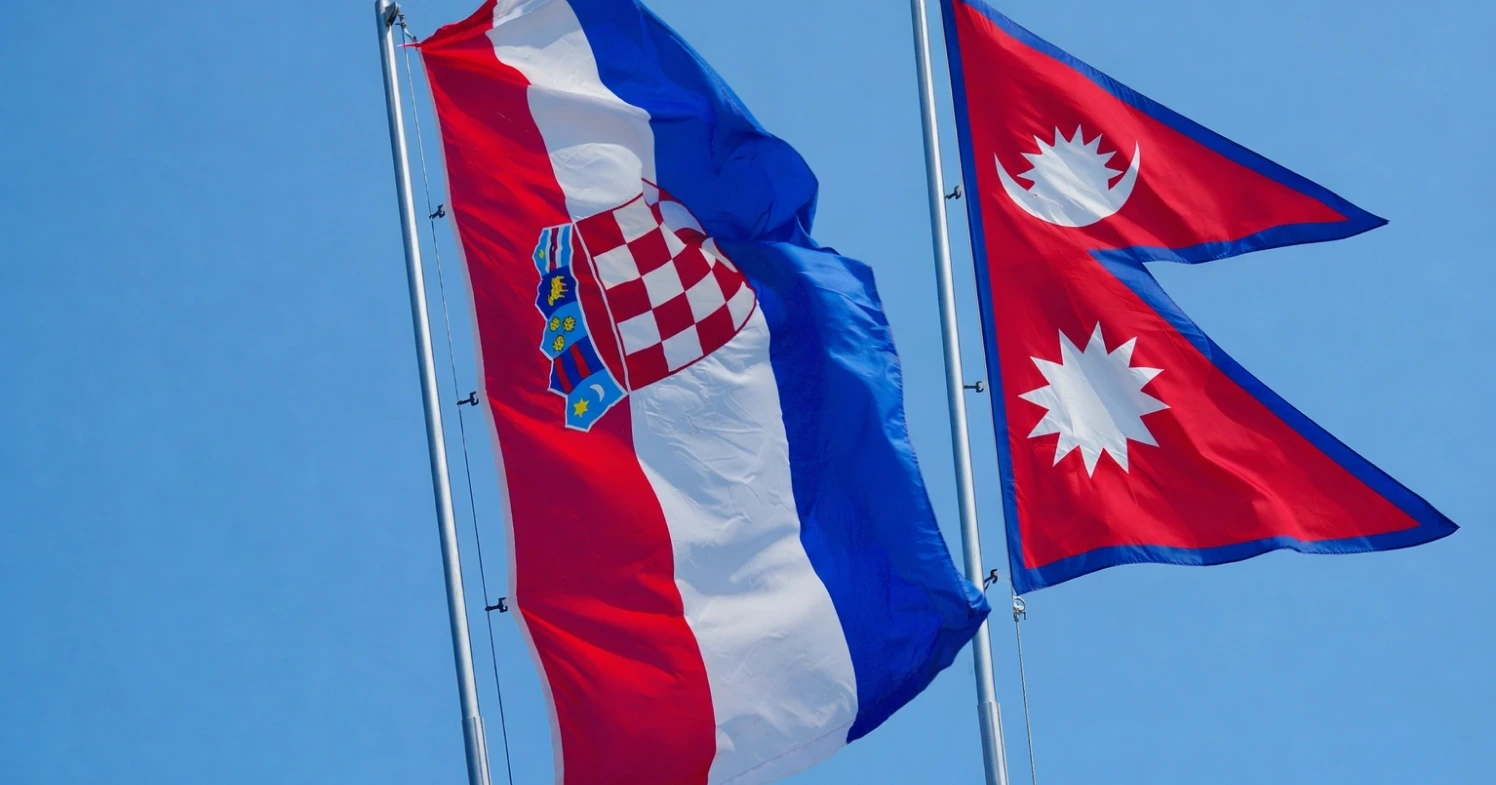
When observing the type of issued documents, it is evident that new employment includes 76,700 permits, while as many as 64,009 relate to extensions of existing stays, confirming workforce stabilization. For seasonal work in the stated period, 19,467 permits were issued. The largest number of workers in 2025 still comes from Bosnia and Herzegovina with over 30,000 permits, closely followed by Nepal with 29,579 workers. Among the most represented nationalities are also citizens of Serbia with 23,145 permits, the Philippines with 16,195, and India with 14,500. A significant share is also made up of workers from North Macedonia, Kosovo, Uzbekistan, Egypt, and Bangladesh.
Current changes in legislation and increased oversight clearly indicate that Croatia no longer wants to be merely a transit station for the uncontrolled import of labor, but rather strives to create a sustainable and regulated market. The focus on health protocols and language learning shows that integration is ceasing to be merely a theoretical concept and is becoming a concrete condition for work. Although employers are forced into better planning, the long-term benefit of this approach is reflected in greater security for the domestic labor market and the reduction of the gray zone that has been eroding the economic system for years. The question that remains open is whether stricter conditions will deter some of the much-needed workers or whether, which seems more likely, they will shape Croatia as a destination that offers more stable and fairer working conditions for those who are ready to respect local rules and standards.