Slovenia Hofer
Retail Worker Salary in Slovenia Reaches €2,373: 'Absolutely No One Here Earns Minimum Wage'
23.02.2026.
11/16/2026

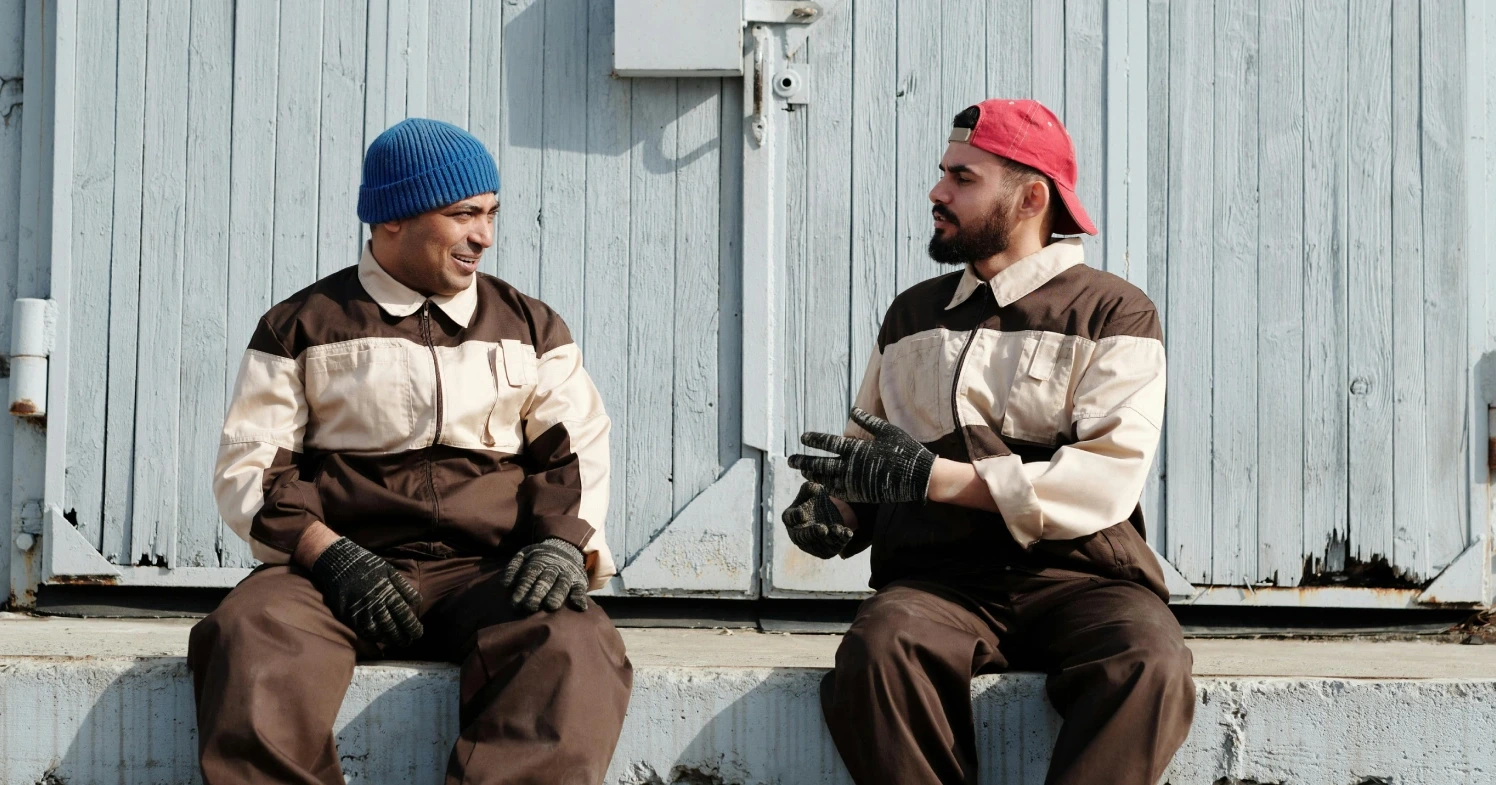
The photograph is for illustrative purposes
For years, Slovenia has been one of the more important destinations for workers from Bosnia and Herzegovina, and the latest statistical data show how much its economy relies on them.
In June 2026, around 70,500 citizens of BiH were employed or self-employed in Slovenia, accounting for as much as 46.1 percent of all economically active foreign citizens, excluding farmers.
This is a country with just over two million inhabitants, which has developed a strong connection with Bosnia and Herzegovina in the labor market, writes the Austrian portal Kosmo.
According to data from the Slovenian Statistical Office (SURS), Slovenia had a total of 941,800 employed and self-employed persons in June. Among them were around 152,900 foreign citizens, excluding farmers, which is the highest recorded number since such records have been kept. The share of foreign citizens among the economically active population, with the same exclusion, reached 16.5 percent.
Interestingly, the number of foreign workers continues to grow, although total employment is not showing an equally favorable trend. Compared with June last year, the number of economically active foreign citizens increased by 2.7 percent, while the number of Slovenian citizens decreased by 0.6 percent. At the same time, the total number of employed and self-employed persons fell slightly, by 0.1 percent. The largest monthly increase was recorded in the hotel and hospitality sector, where employment rose by almost 400 people.
Such a large share of workers from BiH is no coincidence. Slovenia and Bosnia and Herzegovina have been connected by decades of labor migration, family ties, and economic cooperation. Many residents of BiH already have family members or acquaintances living and working in Slovenia, which can make it easier for new workers to find employment and relocate. Geographic proximity and language similarities are also advantages.
Slovenia has further regulated employment through a special agreement with Bosnia and Herzegovina. It established a procedure through which Slovenian employers can hire citizens of BiH. A work permit generally remains valid for three years, and during the first year the worker is mostly tied to the employer for whom the permit was issued. After that, during the remaining period of its validity, they have greater freedom when changing employers.
How pronounced the connection between Slovenia and BiH is can be seen in comparison with Austria. According to data reported by Kosmo, in September 2026 more than 1.09 million foreign citizens were employed in Austria, among them 63,992 citizens of BiH. Their share amounted to only 5.9 percent, while the most numerous were employees from Germany and Hungary. However, it should be emphasized that the Austrian data cover only employed persons, while the Slovenian data also include self-employed persons. The data were also collected in different months, so the comparison is not entirely equivalent.
Foreign workers play an important role in Slovenian construction, industry, logistics, and service activities. Their contribution does not necessarily end in the Slovenian market. According to OECD research reported by Kosmo, approximately six out of ten workers whom Slovenian companies temporarily post to work in other European Union member states come from countries outside the EU, primarily from Bosnia and Herzegovina. A significant share of these workers are employed in construction.
For Bosnia and Herzegovina, the departure of workers also has unfavorable consequences. According to OECD data cited by Kosmo, the working-age population fell from 2.58 million in 2015 to 2.26 million in 2024. At the same time, the money that emigrants send to their families remains an important source of income. According to World Bank data reported by the same portal, private remittances from abroad in 2025 amounted to approximately 10.7 percent of Bosnia and Herzegovina's GDP.
Slovenia has built a long-term connection with Bosnia and Herzegovina that makes it easier for its employers to find workers. Historical and family ties, the proximity of the two countries, and regulated employment procedures all contribute to this. The record number of foreign workers shows how important this cooperation has become for the Slovenian economy. However, Slovenia's experience also raises the broader question of the sustainability of such a model. While one country fills its labor needs, the other faces a decline in its working-age population. In the long term, successful employment therefore depends not only on the possibility of foreign workers arriving, but also on working conditions, job security, and opportunities to build a stable life in the new environment.
If you are considering employment in Slovenia, on our portal raditi.eu you can find current job listings in manufacturing, logistics, hospitality, healthcare, and other sectors.
An additional advantage is that several employers offer assistance with obtaining work permits and visas, and some fully cover the costs of that process.
This means that candidates from Bosnia and Herzegovina, Serbia, North Macedonia, and other countries outside the European Union can also apply for certain positions, provided they meet the requirements of the vacancy.
Browse job offers in Slovenia here.