

Slovenia drivers
Package Delivery Jobs in Slovenia: Drivers Wanted with Salaries up to €2,000 and Bonuses
26.05.2026.
05/21/2025

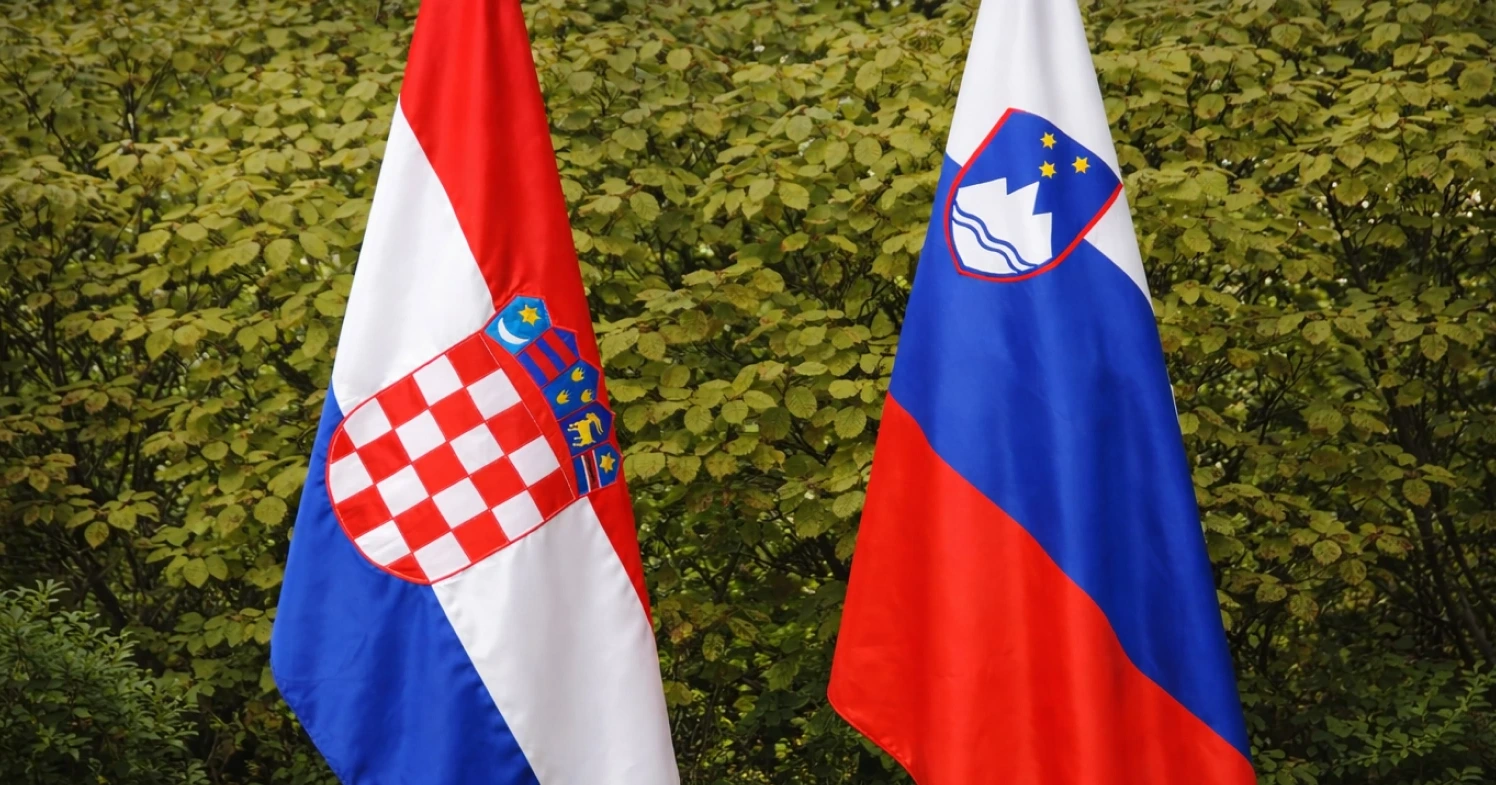
When working abroad is mentioned in the Balkans, the first association is usually Germany or Austria. However, in recent years Slovenia has increasingly stood out as an exceptionally attractive destination for workers from Croatia, Serbia, Bosnia and Herzegovina, North Macedonia, Montenegro, and Albania.
This small but exceptionally well-organized country offers a range of advantages that make it an increasingly popular choice for those who want to work in the European Union while staying close to home and a familiar culture. Numerous jobs in Slovenia are currently available on raditi.eu - in manufacturing, logistics, construction, healthcare, and service industries. Machine operators, caregivers, drivers, warehouse workers, assistants, and many others are being sought.
Many employers also provide accommodation and cover transportation costs. If you are thinking about a new beginning or a more stable job, check out the offer: https://raditi.eu/?country=SI.
And even if you are not currently looking for a job, read why Slovenia could be your next big opportunity.
Proximity and connection to home
Proximity and connection to home are among the key reasons why many people from the region choose Slovenia. Unlike most Western European countries, Slovenia is only a few hours' drive from almost all parts of the Balkans. This is especially appreciated by workers from Croatia, Serbia, and Bosnia and Herzegovina, who can visit family on weekends or take care of personal obligations without complicated and expensive travel. This closeness provides a sense of security and makes adapting to a new life easier.
Stable and transparent labor market
It is especially worth highlighting Slovenia's stable and transparent labor market. This country is considered one of the most stable in the region, which is the result of long-term economic resilience, quality institutional development, and a relatively low level of corruption. During recent years, Slovenia has maintained stable economic growth and recovered quickly from pandemic-related challenges thanks to effective job preservation measures and fiscal incentives. The labor market is characterized by transparent contracts, regular salary payments, and clearly defined workers' rights.
It is particularly important to emphasize that in 2013 Slovenia implemented a significant labor market reform, which reduced segmentation between permanent and temporary employees and also facilitated transitions to permanent jobs, especially for young people and vulnerable groups. This reform increased access to permanent jobs and reduced labor market rigidity, thereby encouraging greater flexibility and security for workers.
According to the latest data, in 2024 Slovenia scored 60 out of 100 on the Corruption Perceptions Index, placing it 36th among 180 countries in the world. This result is better than that of most Balkan countries and indicates a higher level of trust in institutions and the public sector. Although challenges and the need for additional reforms still exist, Slovenia continuously invests in strengthening integrity, transparency, and oversight, which further contributes to the orderliness of the labor market. All of this offers workers from the region security, predictability, and clearly defined business rules.
Similarities in language and culture
The culture and mentality of Slovenians are very close to those of neighboring Balkan countries, which significantly facilitates everyday life and integration. Many Slovenians understand and speak Croatian or Serbian, which is a great advantage for workers from Croatia, Serbia, Bosnia and Herzegovina, and Montenegro. Language barriers are almost nonexistent, and the feeling of belonging and acceptance comes naturally. Going to the store, ordering in a restaurant, or asking for help on the street do not present a challenge, which further eases the first months of life in a new environment.
Quality of life
The quality of life in Slovenia stands out for its high level of public services, well-organized healthcare and education systems, and exceptional cleanliness of cities. Transport is well organized, and nature is available literally at every step, from the Alps to the Adriatic Sea. Living costs are moderate and lower compared to Western Europe, especially outside Ljubljana. For example, renting a one-bedroom apartment in Maribor or Celje costs around 400 to 500 euros per month, while food and service prices are comparable to those in Zagreb or Belgrade.
Life in Slovenia for workers from the Balkans often means a high standard of living, but also certain challenges. Cities like Ljubljana offer orderliness, cleanliness, and good organization, but living costs, especially rent and food, can be high. Still, the sense of security, stability, and order often outweighs this for those seeking a long-term livelihood.
One of the great advantages of life in Slovenia is the possibility of spending weekends on various trips and in nature. Slovenia is a small but exceptionally diverse country, so almost all attractions are within an hour or two's drive. Nature lovers can enjoy hiking in Triglav National Park, walks along Lake Bohinj and Lake Bled, or exploring the Soča Valley. Those who prefer relaxation can visit spas such as Dobrna, Olimia, or Rogaška Slatina. Cultural trips to Ljubljana, Postojna Cave, or Predjama Castle offer a wealth of history and art, while regions such as Goriška Brda and Šmartno attract lovers of wine and authentic cuisine. For those craving adrenaline, the Soča River and its surroundings offer rafting, kayaking, cycling, and paragliding. Slovenians value work-life balance, so it is common to escape the city on weekends and enjoy nature, the mountains, or the lakes. It is precisely this accessibility of various activities and beauty that makes life in Slovenia richer and more fulfilling, turning weekends into a real opportunity for relaxation and exploration.
Easy access to work permits
Slovenian employers are increasingly seeking workers from outside the European Union, especially from Serbia, Bosnia and Herzegovina, North Macedonia, and Albania, due to a shortage of domestic labor in sectors such as construction, logistics, hospitality, and care. The process of obtaining a work permit for non-EU citizens is significantly simpler and faster than in Germany or Austria, and many employers and agencies offer help with paperwork, accommodation, and integration. Croatian citizens, as EU citizens, have the right to free access to the labor market, which further facilitates employment.
Whether it is seasonal jobs in tourism, hospitality, agriculture, or permanent positions in manufacturing, logistics, and healthcare, Slovenian employers offer competitive conditions, salary supplements, paid overtime, opportunities for advancement, and often provided accommodation. Workers from the region are valued for their work habits, adaptability, and reliability.
Working in Slovenia is not only a practical choice because of proximity and language similarities, but also a life decision for those seeking a balance between work and private life, security, respect, and a calmer everyday life.
Looking for a new job? Slovenia offers new opportunities!
Numerous jobs in Slovenia are currently available on raditi.eu in various sectors, including manufacturing, warehousing, construction, logistics, care, and service industries.
If you are looking for a job in Slovenia, you can apply via the link: https://raditi.eu/?country=SI.