




Miro Bulj kuna
Miro Bulj Says: "Bring Back the Croatian Kuna"
08.09.2025.
10/13/2025
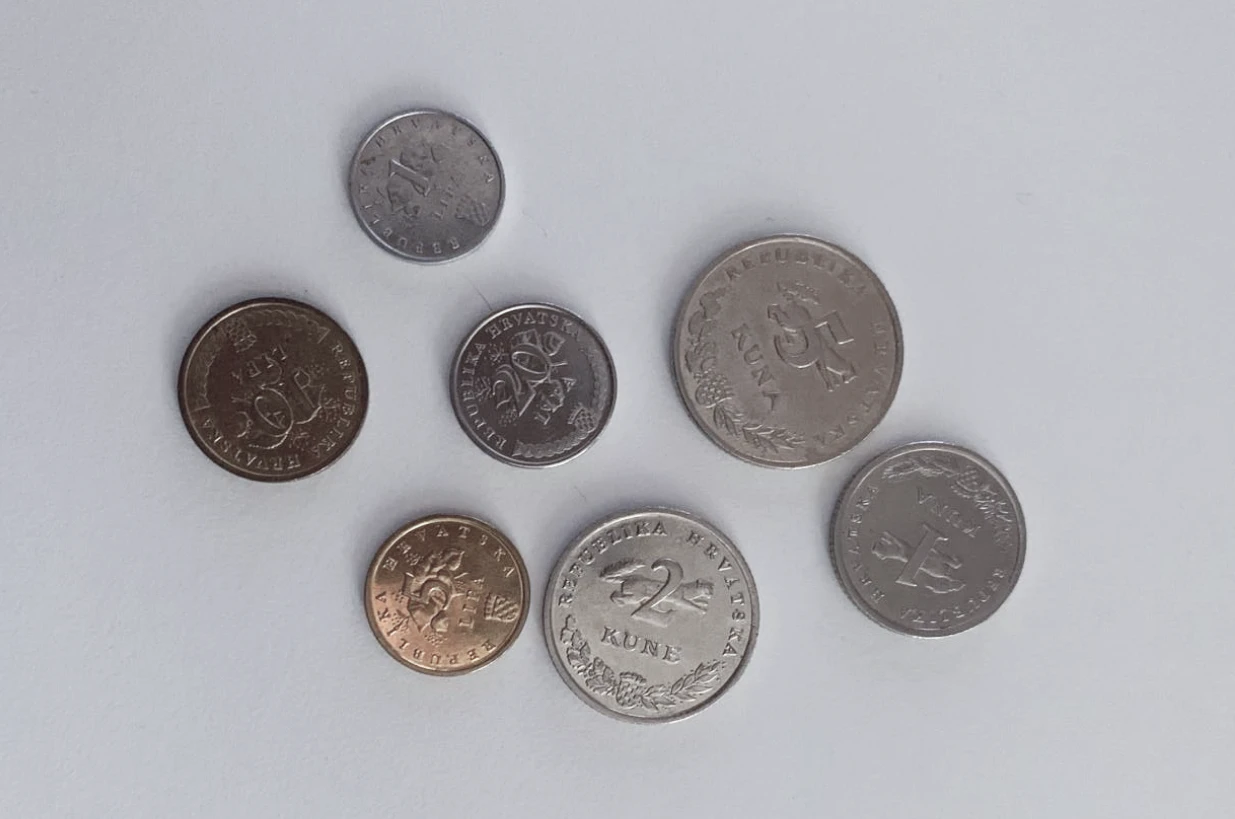
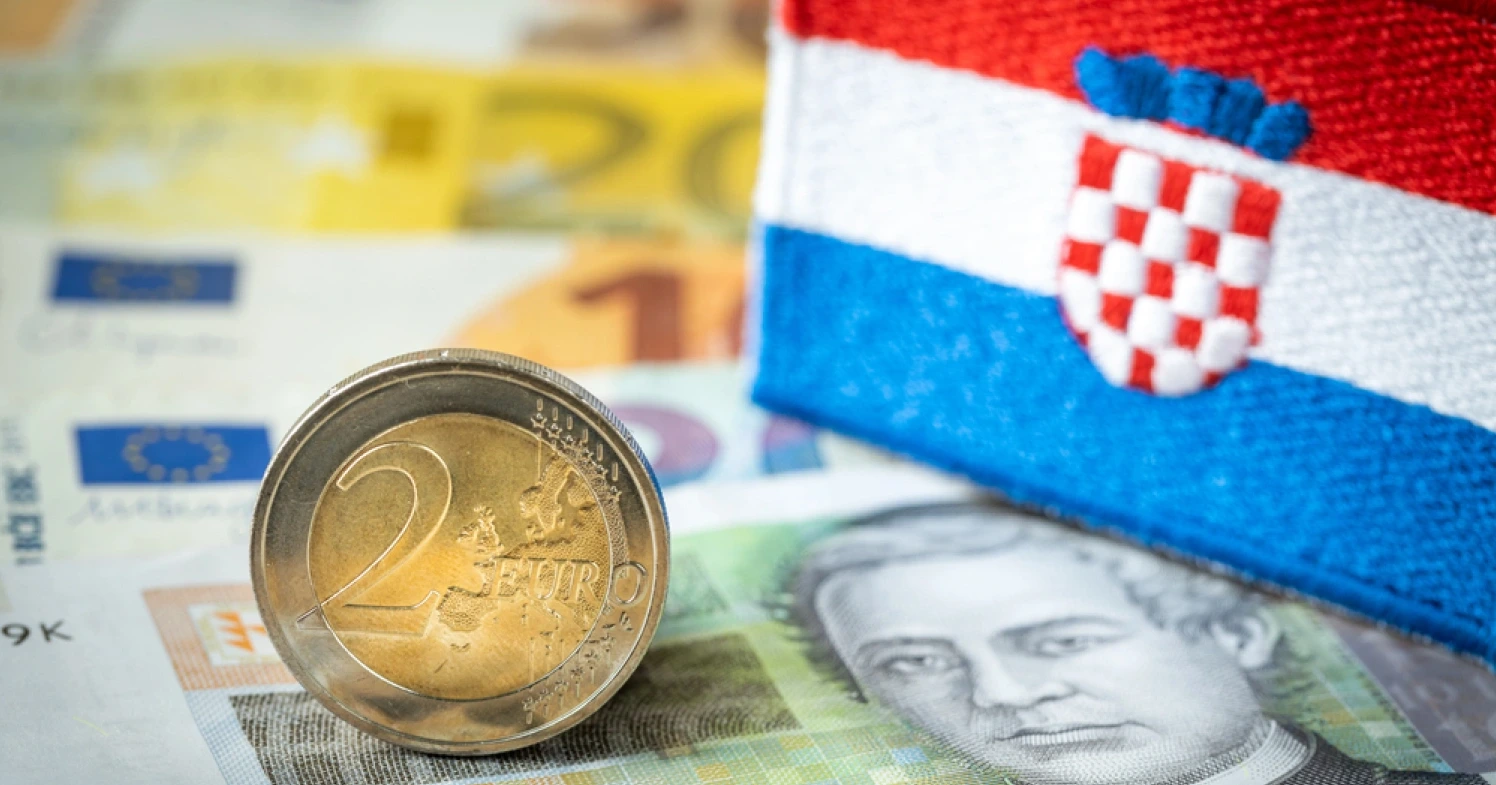
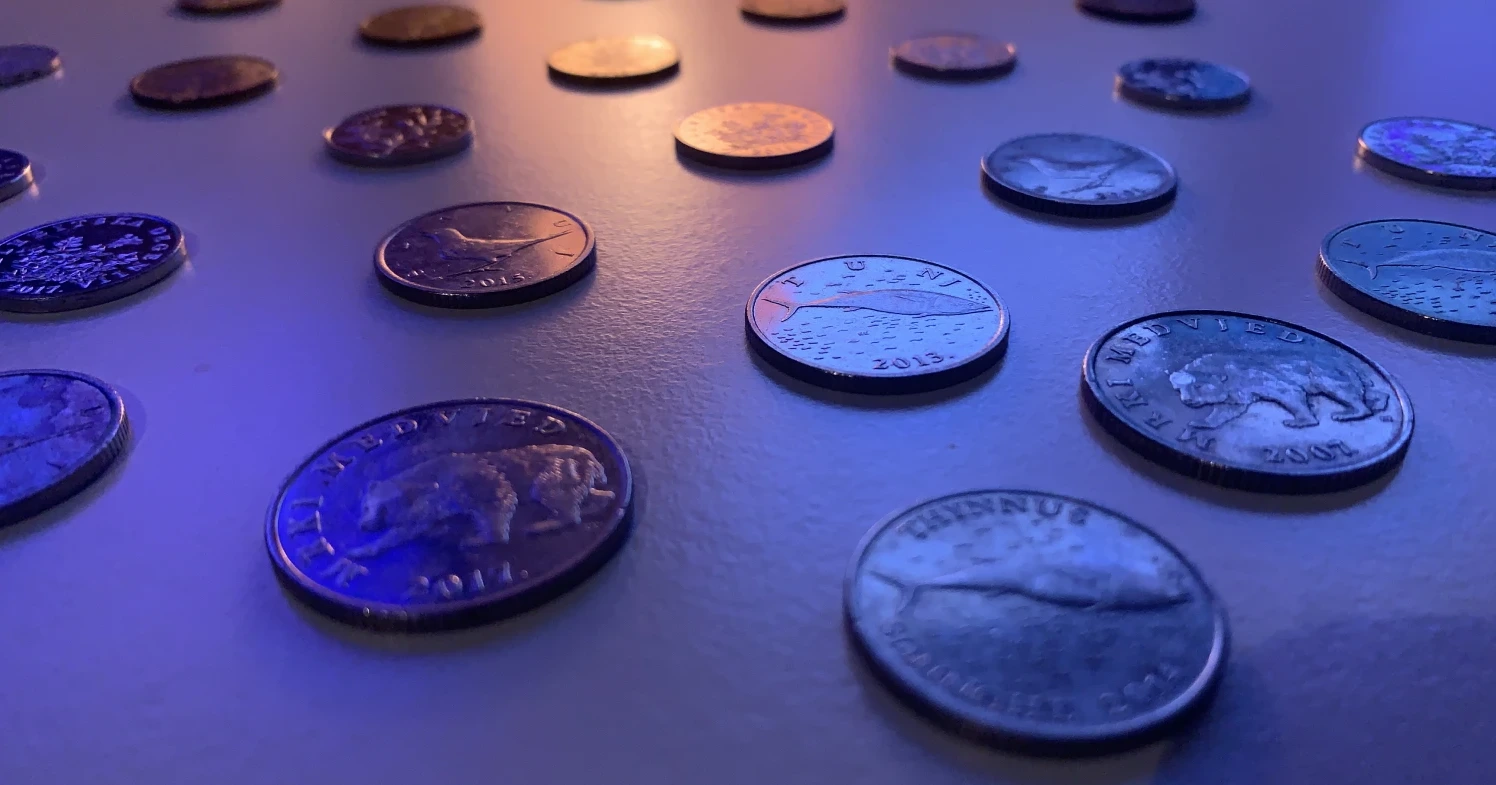
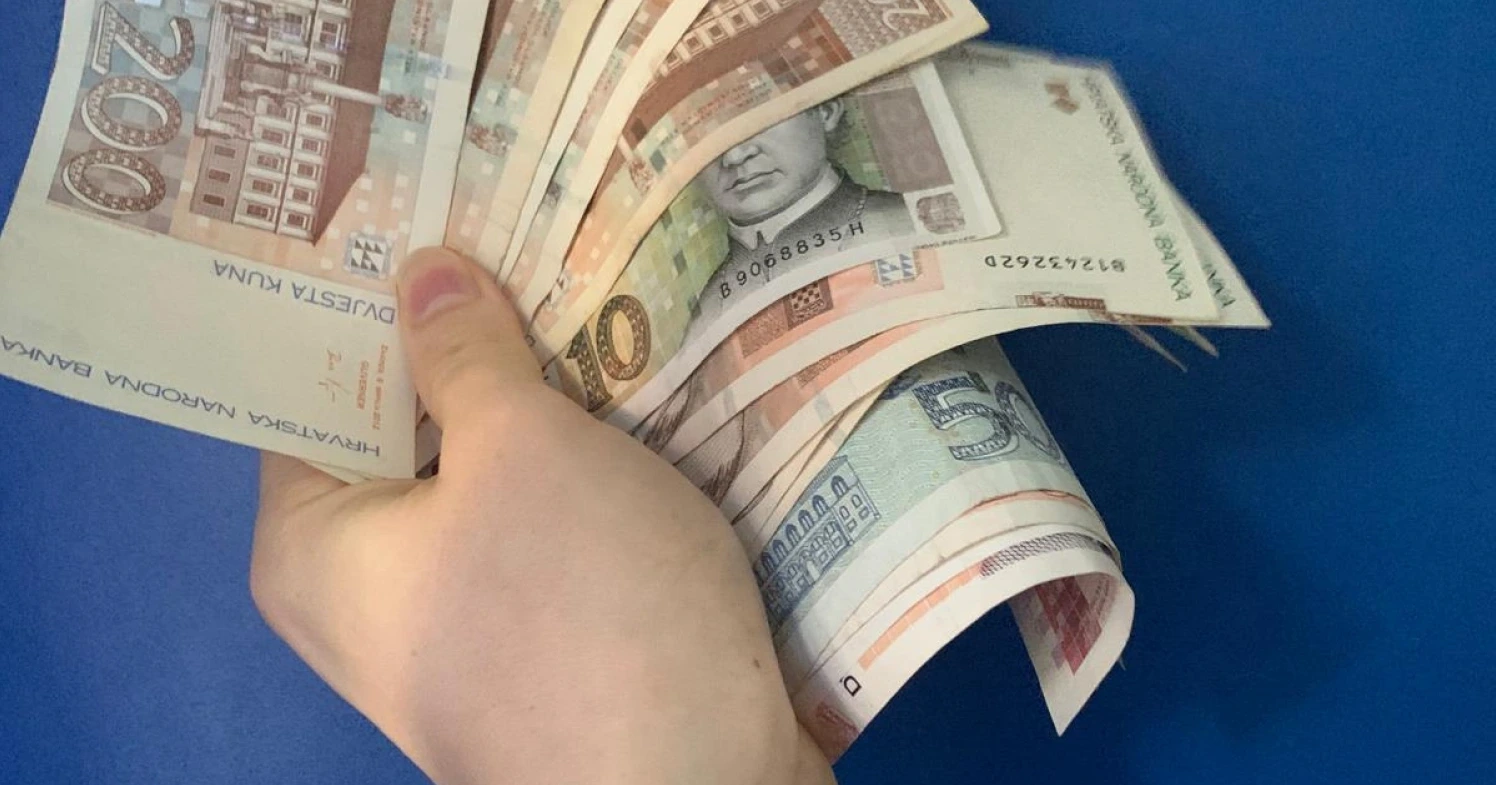
For many Croats, the idea of bringing back the kuna carries a sense of nostalgia. Many citizens say they miss the old currency, that they had grown used to it, and that everything was simpler back then.
However, economists warn that bringing back the kuna would be a serious step backward, writes net.hr. Economic analyst Damir Novotny points out that the euro is a globally recognized currency and that bringing back the national currency would have negative consequences for the stability of the Croatian economy. According to him, reintroducing the kuna would mean moving away from the market and monetary stability that Croatia now enjoys.
Sales advisor Emil Pavić adds that the myth of cheaper living with the kuna is completely unfounded. He believes it is unrealistic to think that by bringing back the kuna, prices would return to their old levels. The rise in prices that citizens are feeling is not, he says, a consequence of the currency itself, but of a series of other factors that have simultaneously affected European markets.
When the introduction of the common currency was being announced, Prime Minister Andrej Plenković claimed that the average price of coffee would rise by only two lipa. In reality, coffee today has become more than twice as expensive in many cafés, which further fuels nostalgia for the kuna.
But experts remind us that if the kuna had not gone away, Croatia today would be closer to countries like Serbia, Bosnia and Herzegovina, or Hungary, which are struggling with unstable exchange rates and high inflation. The introduction of the euro, Novotny emphasizes, opened the door to faster economic growth and greater investor confidence, which bringing back the kuna would jeopardize.
Bringing back the kuna, viewed from an analytical perspective, would be a symbolic act, but an economically harmful one. AI models that analyze market data and macroeconomic indicators suggest that such a move would lead to increased uncertainty, reduced investment, and a weakening of international confidence in the Croatian economy. Financial markets do not handle sudden currency changes well, and trust is built over years.
The introduction of the euro brought Croatia lower interest rates, easier access to capital, and more stable exports. Bringing back the kuna would mean losing those advantages and opening the door to speculation on the foreign exchange market, which citizens would soon feel through rising prices and wage instability.
From an emotional perspective, it is understandable that many Croats feel nostalgia for the kuna, which was a symbol of independence and national identity. But from an economic standpoint, the kuna now belongs to history, and bringing back such a system would be more of a political and symbolic act than a rational move for the future.