




MUP foreign workers
Number of Foreign Workers in Croatia Declines: 15.7% Fewer Permits Than Last Year
13.11.2025.
02/23/2026
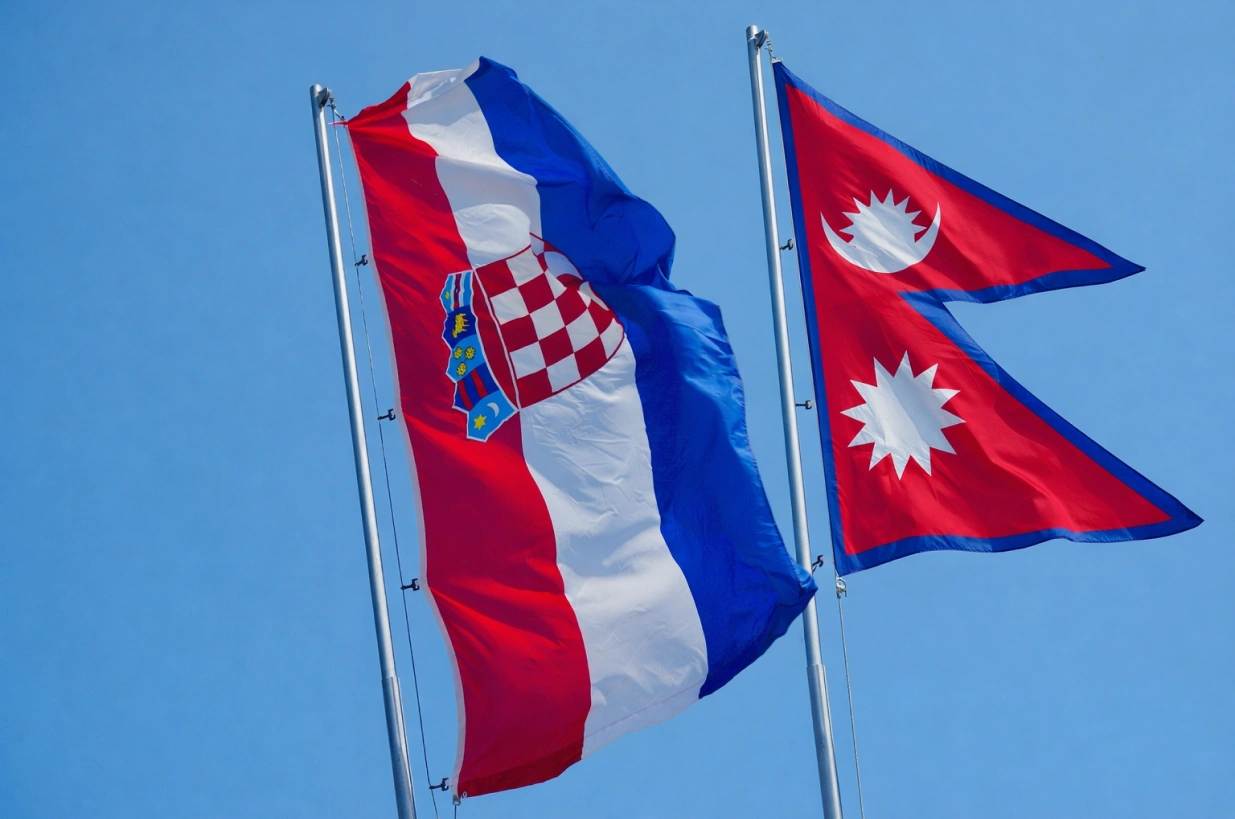
The Government of the Republic of Croatia has sent key amendments to the Foreigners Act into parliamentary procedure, bringing significant changes for the foreign workforce.
The main novelty concerns the introduction of mandatory learning and passing an exam in the Croatian language as a condition for extending residence and work permits. As reported by HRT, foreign nationals will, after one year of residence in the country, have to pass an exam at the A1.1 level in order to continue their employment with domestic employers.
The new rules provide that knowledge of the basics of the language is no longer a matter of choice but a legal obligation that directly affects workers' status. Level A1.1 represents an initial degree of communication that includes basic greetings, managing everyday situations such as going to the doctor or to the store, and understanding basic instructions in the workplace. Although at first glance it seems like an administrative obstacle, experts emphasize that this is a necessary step for better inclusion of foreigners in Croatian society.
In addition to stricter language rules, the law also brings certain facilitations in the form of simpler employer changes, with the aim of preventing worker exploitation and ensuring greater flexibility in the labor market. In Međimurje, where around 3,700 foreign workers are currently staying, employed primarily in the metalworking and food industries, such changes have already become part of everyday life.
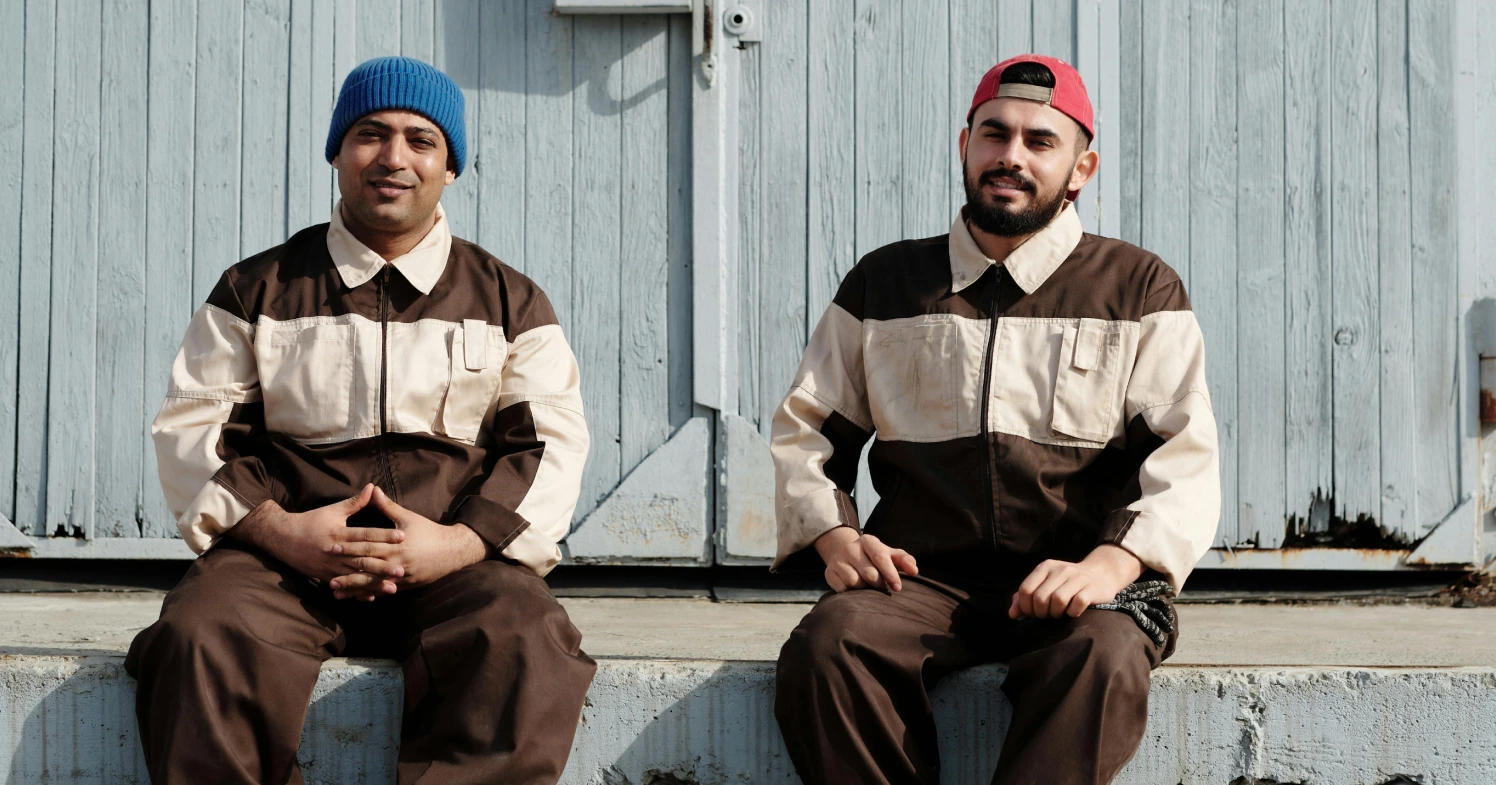
For workers coming from distant countries such as Nepal, adapting to the European work environment and a Slavic language represents a major challenge. Despite this, the motivation to stay is strong due to noticeably better living conditions and income. Mahato Som Bahadur, a worker from Nepal, explains to HRT that the opportunities here are significantly better than in his homeland and that a higher salary enables direct support for his family. His colleague Mahati Tharu Suraj shares a similar opinion and adds that Croatia is a beautiful and clean country with good people, and sees knowledge of the language as a tool for fitting in more quickly.
However, the learning process is not simple. Mahato Devi Ram openly admits that he has been learning the Croatian language for four months and that it is extremely difficult for him. A similar story is shared by thirty-five-year-old Raul Ashish, who has been working as a butcher for four years and is aware that communication is key to his professional stability.
Croatia, like many other European countries, is facing serious demographic challenges and a chronic shortage of labor in key sectors. The introduction of the A1.1 language standard is a reasonable compromise between the economy's need for new workers and the state's need to preserve social cohesion. Although the new law will place an additional burden on foreign workers, it simultaneously sends the message that Croatia does not see them merely as temporary help, but as potential fellow citizens whose integration begins precisely with understanding the language of the country in which they are building their future. A timely response from employers and the use of available subsidies will be crucial factors in the successful implementation of this legal reform.