




Switzerland petition
Switzerland Heads to Referendum: Petition Could Drastically Limit New Residents
12.02.2026.
01/16/2026
The Swiss federal government has made a decision for Croatian citizens that marks the end of a long process of Croatia’s integration into the system of free movement of persons.
From the beginning of 2026, workers from Croatia will no longer face numerous restrictions, quotas, or special permits that for years limited their access to the Swiss labor market. This decision is based on official data for the past year, which showed that the number of immigrants did not exceed the critical limits that would have allowed Switzerland to further extend the restrictions.
To understand the importance of this decision, it is necessary to explain what the so-called safeguard clause actually was. According to the agreement on the free movement of persons between Switzerland and the European Union, Switzerland had the right to temporarily limit the number of work permits for new member states if there were a sudden and excessive influx of labor. These restrictions were implemented through quotas, that is, a predetermined maximum number of permits that could be issued in one calendar year.
For Croatia, this meant that two types of permits were issued. Permit B was intended for those coming for long-term residence and work, while permit L was reserved for short-term residence, usually for seasonal jobs or contracts shorter than one year. According to the rules of the agreement on the free movement of persons between Switzerland and the European Union, at the end of 2025 Switzerland had to check whether the conditions existed for introducing restrictions for workers from Croatia in 2026. The decision is not made arbitrarily, but exclusively on the basis of official statistical data on the number of work permits issued. Since the number of Croatian workers in Switzerland during 2025 did not exceed the legally prescribed thresholds, it was determined that there was no legal basis for introducing any restrictions in 2026.
Throughout 2025, the Swiss authorities closely monitored the number of documents issued. According to the official report of the Federal Council dated January 14, 2026, a total of 1,701 category B permits and 792 category L permits were issued to Croatian citizens.
For Switzerland to legally continue with the restrictions, the figures had to exceed the threshold of 2,004 permits for long-term residence and 1,116 for short-term residence. Since the actual interest of workers remained below those thresholds, the conditions for activating the safeguard clause were not met.
Although there were often fears of a massive influx of labor, the data show that Croatian workers accounted for only a modest share of 2% of the total immigration wave from European Union and EFTA countries during the past year. Croatians in Switzerland are not just a number in the statistics, but form a key part of the workforce in sectors facing chronic staff shortages.
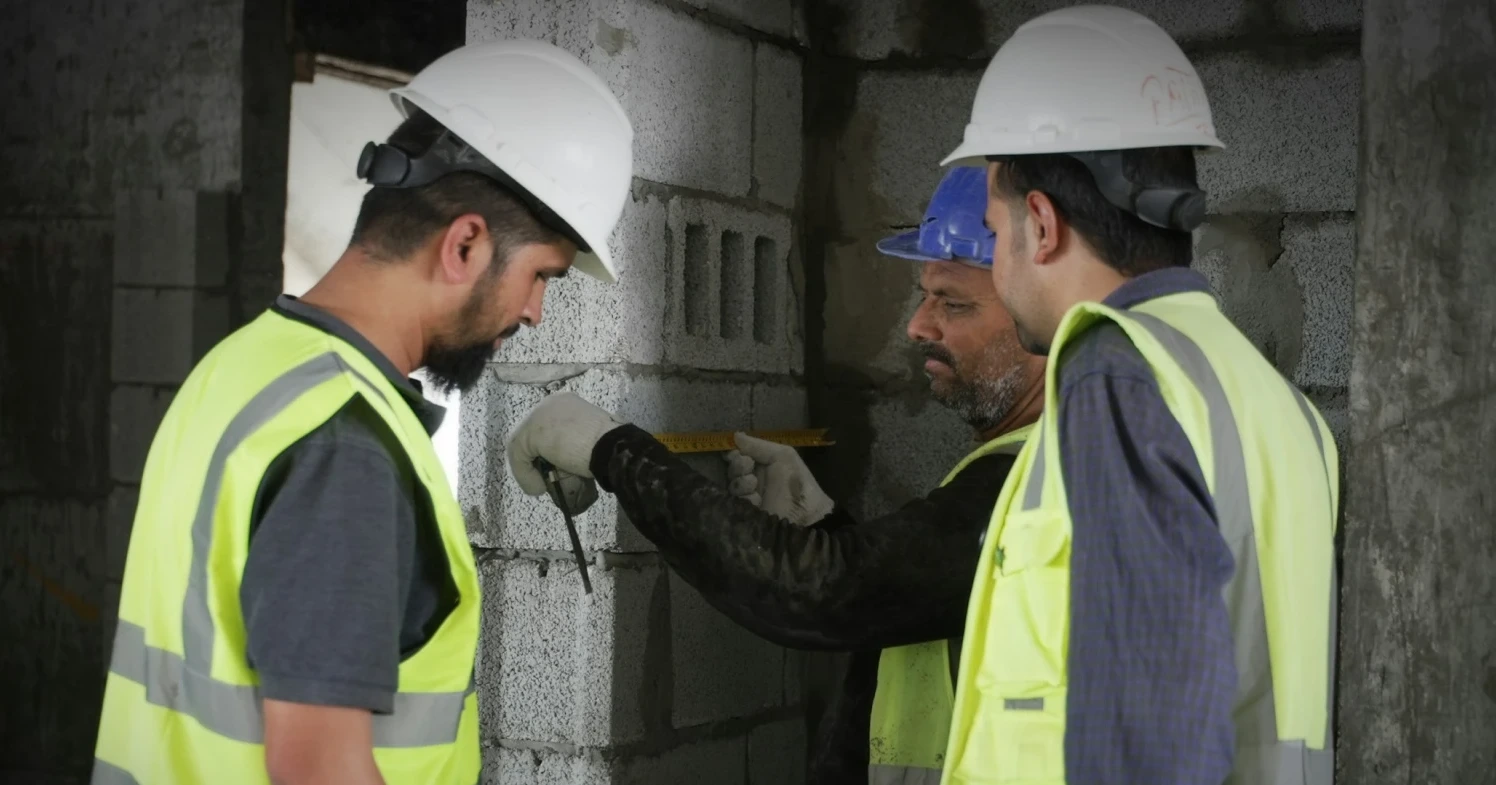
The largest number of Croatian citizens are employed in the industrial sector, construction, and trade, but their contribution is especially significant in healthcare and social care. These are precisely the branches of the economy in which Switzerland traditionally depends on qualified foreign workers in order to maintain a high level of services and production.
The official statement emphasized that by this act Croatia is being placed on an equal footing with the other member states of the European Union. The Federal Council confirmed that the conditions for freedom of movement have now been fully achieved.
'Croatian citizens now enjoy full freedom of movement of persons as applied to citizens of the other member states of the European Union,' the Federal Council report presented to the public in mid-January states.
This quote confirms that the Swiss administration is strictly adhering to the protocol that entered into force back in 2017, which provided for the gradual opening of the market over ten years.
The decision on the complete abolition of quotas for Croatian workers from 2026 represents a diplomatic victory and proof of the stability of Croatian labor migration. For the average worker from Croatia, this means the end of administrative nightmares, uncertainty about obtaining a permit, and waiting in lines until the quota is used up.
This is also a clear message that the Croatian workforce in Switzerland is perceived as a valuable and integrated part of society, and not as a threat to the local labor market. As Switzerland struggles with demographic challenges and the need for experts, free access to the market for Croatians comes as a natural course of events that will further strengthen the economic ties between the two countries.