






family abroad
Planning to Move Abroad with Your Family? These Countries Offer the Most
16.04.2025.
12/18/2025
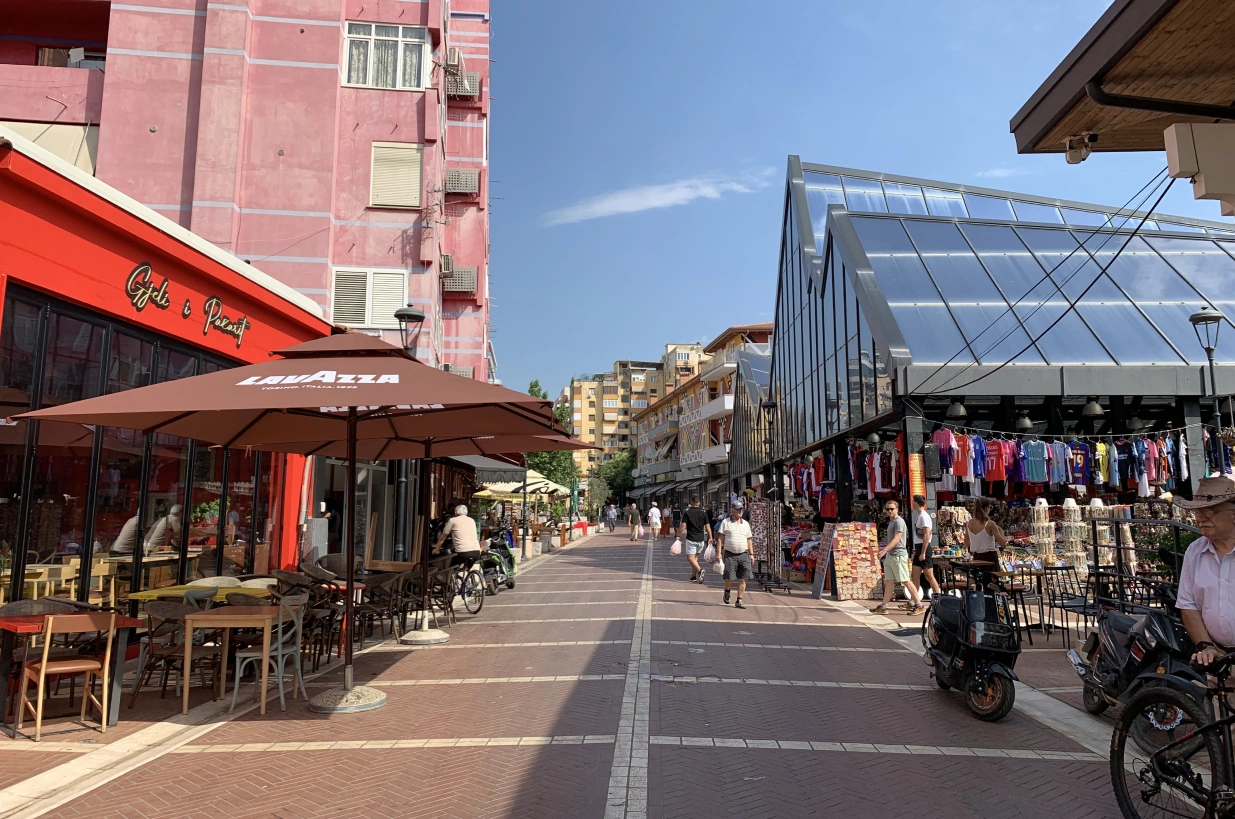
The European continent offers incredible diversity not only in culture and history but also in the economic frameworks that shape the everyday lives of its population.
While metropolises such as Paris or London are synonymous with high costs, numerous countries provide a high quality of life with significantly lower financial investment. The cost of living index has become a key tool for digital nomads and expatriates because it precisely analyzes the prices of food, transport, and basic services, and insight into this data makes it easier to plan a future in one of Europe's more affordable regions.
Portal Global Citizen Solutions compiled a list of the cheapest European countries to live in in 2025, which included Albania, Romania, Poland, Bulgaria, the Czech Republic, Hungary, Portugal, Slovakia, Serbia, and Latvia.
Albania has positioned itself as one of the most attractive destinations in southeastern Europe, especially for those seeking a Mediterranean climate at affordable prices. The capital, Tirana, along with cities such as Shkodër and Vlorë, offers a blend of rich history and modern conveniences. According to estimates, the monthly budget for living in Albania ranges from 500 to 800 dollars, or about 460 to 736 euros.
According to the portal Global Citizen Solutions, the rent for a one-bedroom apartment in central Tirana used to be around 350 dollars (about 322 euros), but given inflationary pressures and rising demand, it is now more realistic to expect prices of 400 euros and up for apartments in this capital. Amounts of around 320 euros now mostly refer to lower-quality apartments or outlying city neighborhoods. Albania is also still known for its hospitality and thousands of bunkers, some of which have over the years been turned into interesting museums, galleries, and cafés.
Romania is often highlighted as an ideal destination for remote work thanks to one of the fastest internet services in Europe, which in basic packages costs around 10 dollars per month, or about 9 euros. However, these are the lowest rates, while the average monthly internet price in practice ranges between 12 and 18 euros, depending on speed and provider.
Cities such as Timișoara and Cluj have turned into true technology hubs, and monthly living costs there amount to between 700 and 1,000 dollars, or 644 to 920 euros. Living costs in Cluj have actually surpassed Bucharest in some aspects of life, such as accommodation, so the upper limit of 920 € is closer to reality. Romania also fascinates with its rich history, castles in Transylvania, and the untouched nature of the Carpathians.
Poland, the fifth most populous country in the European Union after Brexit, offers stability and the historical charm of cities such as Kraków and Wrocław. While these cities are still among the more affordable places to live in Central Europe, Warsaw is recording ever greater cost growth due to rising energy and food prices.
A monthly budget between 800 and 1,200 dollars (736 to 1,104 euros) still allows for a comfortable life in Kraków or Wrocław, but in the capital that amount today represents the lower limit needed for singles.
Poland is known for its resilience throughout history and for traditional gastronomic specialties such as pierogi, which are still affordably priced in popular milk bars.
Bulgaria, located in the Balkans, offers some of the lowest rental prices in Europe. In cities such as Plovdiv, an apartment can be rented for as little as around 200 dollars, or about 184 euros.
Claims about an average salary in the range of 600 to 1,200 dollars often appear in cost-of-living analyses, but such ranges do not show the actual average earnings. The lower end mainly refers to smaller towns and lower-paid sectors, while the higher amounts are characteristic of the IT profession and metropolises such as Sofia. According to current data, the average gross salary in Bulgaria in 2025 ranges between 1,300 and 1,400 euros, while the average net salary reaches approximately 900 euros, with significant differences between larger cities and smaller regions.
At the same time, this country preserves a rich history and is known for being the oldest country in Europe that has never changed its name.
The Czech Republic attracts numerous newcomers with its central location in Europe and developed infrastructure. Although Prague is recording a significant rise in living costs, cities such as Brno and Ostrava still remain a more affordable choice.
The estimated monthly budget for living outside Prague is up to around 1,500 dollars (1,380 euros), while in the capital this amount is increasingly considered the minimum cost for singles.
The Czech Republic is known for its beer culture, as well as for its impressive number of castles.
Hungary stands out for its architecture and thermal baths, and living costs in Budapest and Debrecen range from 700 to 1,200 dollars, or from 644 to 1,104 euros. With the rich wine region of Tokaj and a unique language, Hungary offers a high level of culture at prices significantly lower than those in its Western European neighbors.
Portugal is the only Western European country on this list and offers an attractive blend of Atlantic coastline, pleasant climate, and moderate living costs outside the main urban centers.
While prices in Lisbon have risen significantly in recent years and are comparable to other Western European metropolises, cities such as Coimbra and Braga remain more affordable. There, monthly living costs range between 1,200 and 1,800 dollars, or from 1,104 to 1,656 euros.
Portugal is known as the world's largest producer of cork and as the home of the traditional musical genre fado, which symbolizes Portuguese melancholy and the spirit of the south.
Slovakia is a hidden gem with the High Tatras mountain range and numerous castles. Life in cities such as Košice requires a budget of 700 to 1,000 dollars, which amounts to 644 to 920 euros. Slovakia is a country with a huge number of caves, making it a paradise for nature lovers.
Serbia offers a very dynamic social life and a hospitable atmosphere, but housing costs in the capital have risen significantly lately.
While in Niš or smaller communities an apartment can be rented at very affordable prices, in Belgrade it is now more realistic to plan for 500 to 600 euros and up for the rent of a one-bedroom apartment, depending on the location. Low-quality apartments can also be found for 350 to 450 euros per month.
Total monthly living costs in the Serbian metropolis for singles range from 800 to 1,100 euros, while smaller cities still allow for a comfortable life with a budget of around 650 euros. Serbia is also the homeland of numerous great figures of science such as Nikola Tesla, whose name is proudly borne by Belgrade Airport.
Latvia, as a representative of the Baltic countries, offers modern digital infrastructure and beautiful Baltic Sea coasts. The monthly budget in Riga amounts to 1,000 to 1,500 dollars, which is about 920 to 1,380 euros. Latvia is known for its singing tradition and preserved Art Nouveau architecture that adorns the capital.
For people who work remotely or are looking for new opportunities in life, countries such as Albania and Serbia are no longer just exotic destinations but are becoming serious competitors to Western countries. Portugal remains a bridge between two worlds, offering a Western European standard at prices that are still acceptable to a wide range of people. The key to success in choosing a new homeland lies in the balance between personal income and local prices, with these ten countries currently offering the best value-for-money ratio on European soil.