

Germany crisis
German Employers Demand Drastic Measures: First Sick Day Unpaid and Public Holidays Scrapped
13.03.2026.
08/21/2025

The coronavirus period brought a sudden shift to working from home. At that time, millions of Germans left their offices overnight and replaced them with kitchen tables and living rooms. Although the world has since reopened, some employees do not want to give up the flexibility they gained.
Employers, on the other hand, are increasingly demanding a return to the office. Are you interested in how many people in Germany still work from home?
According to data from the Zety platform, 23.5 percent of employees still occasionally work from home, while 13.2 percent do so every day, writes Bild. During the first lockdown in 2020, the share was higher, around 27 percent, while before the pandemic only every tenth person worked that way. IT sector experts, freelancers, and managers stand out in particular, with up to 40 percent making use of the option to work from their own home.
Career advisors point out that working from home brings employees more sleep, less time spent in traffic, and the possibility to take a break when it suits them best. All of this contributes to satisfaction, reduces the risk of burnout, and can ultimately increase productivity. Many employees therefore see this model as a privilege they do not want to lose.
Despite everything, many employers still doubt the effectiveness of remote work. They see a particular problem in the lack of control, which is why many companies, especially in the United States, use digital tools to monitor employees. However, scientific analyses so far do not confirm that working from home automatically reduces productivity.
Young people between the ages of 16 and 24 clearly show that working from home is important to them. As many as 40 percent highlight it as a key criterion when seeking employment. However, German legislation still does not provide a general right to work from home. Such an option exists only if it is regulated by contract or agreed through long-term practice. According to experts, negotiation between employer and employee most often proves to be the best solution.
For many, working from their own home is synonymous with freedom. Less stress from commuting, a better work-life balance, and the possibility of working in an environment they choose themselves. However, the challenges are clear: the boundary between work and private life often disappears, and social isolation can become a burden.
The office is not just a place where work gets done, but also a place where team energy is built. Face-to-face meetings encourage creativity and the spontaneous exchange of ideas. On the other hand, returning to the office rhythm also means returning to traffic jams, additional transportation costs, and often stricter working hours.
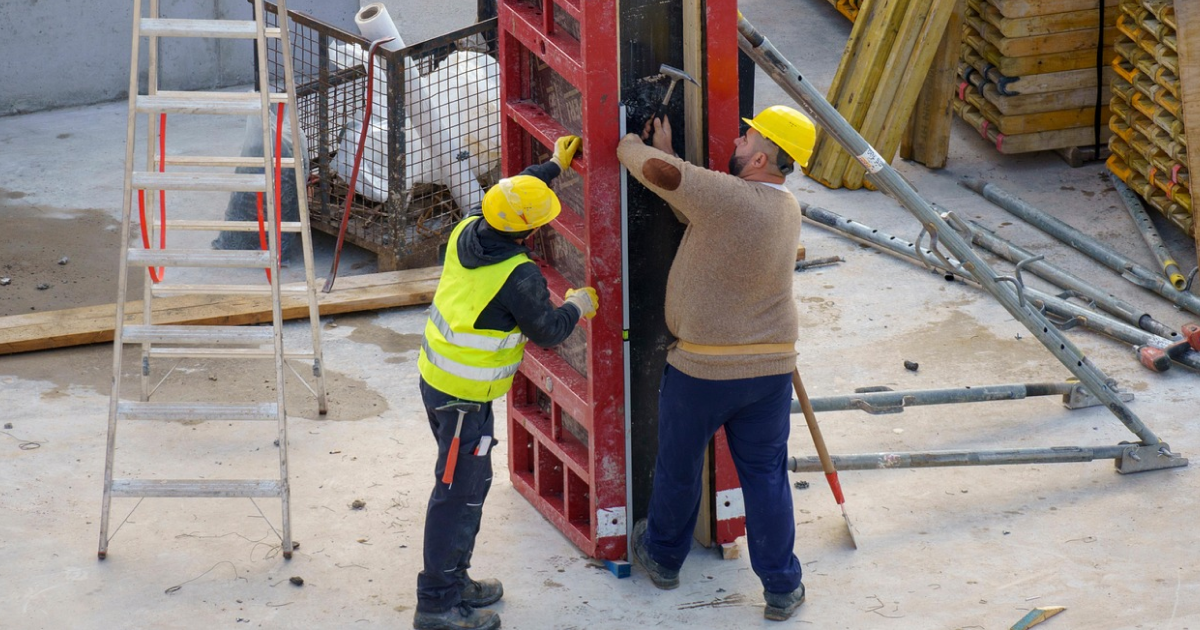
For certain professions, field work is not just an option but a necessity. Construction workers, medical staff, journalists, or service technicians simply cannot do their jobs exclusively at a computer. The advantage is a strong sense of dynamism and closeness to people, but the price is more frequent travel, physical effort, and an unpredictable schedule.
In the former Yugoslav region, the situation resembles Germany, but with an emphasis on the lower presence of working from home. Many companies still emphasize office work, while digital infrastructure in some areas makes stable remote work more difficult. At the same time, young professionals clearly express a desire for flexibility, and foreign companies operating in the region often offer it.
In the end, it all comes down to adaptation. Employees seek a balance between flexibility and security, while employers want efficiency and control. The best solution probably lies in a model that combines working from home with setting days when office presence is mandatory. This brings together the best aspects of all worlds and enables a compromise that suits both workers and managers.