

Croatia foreign workers
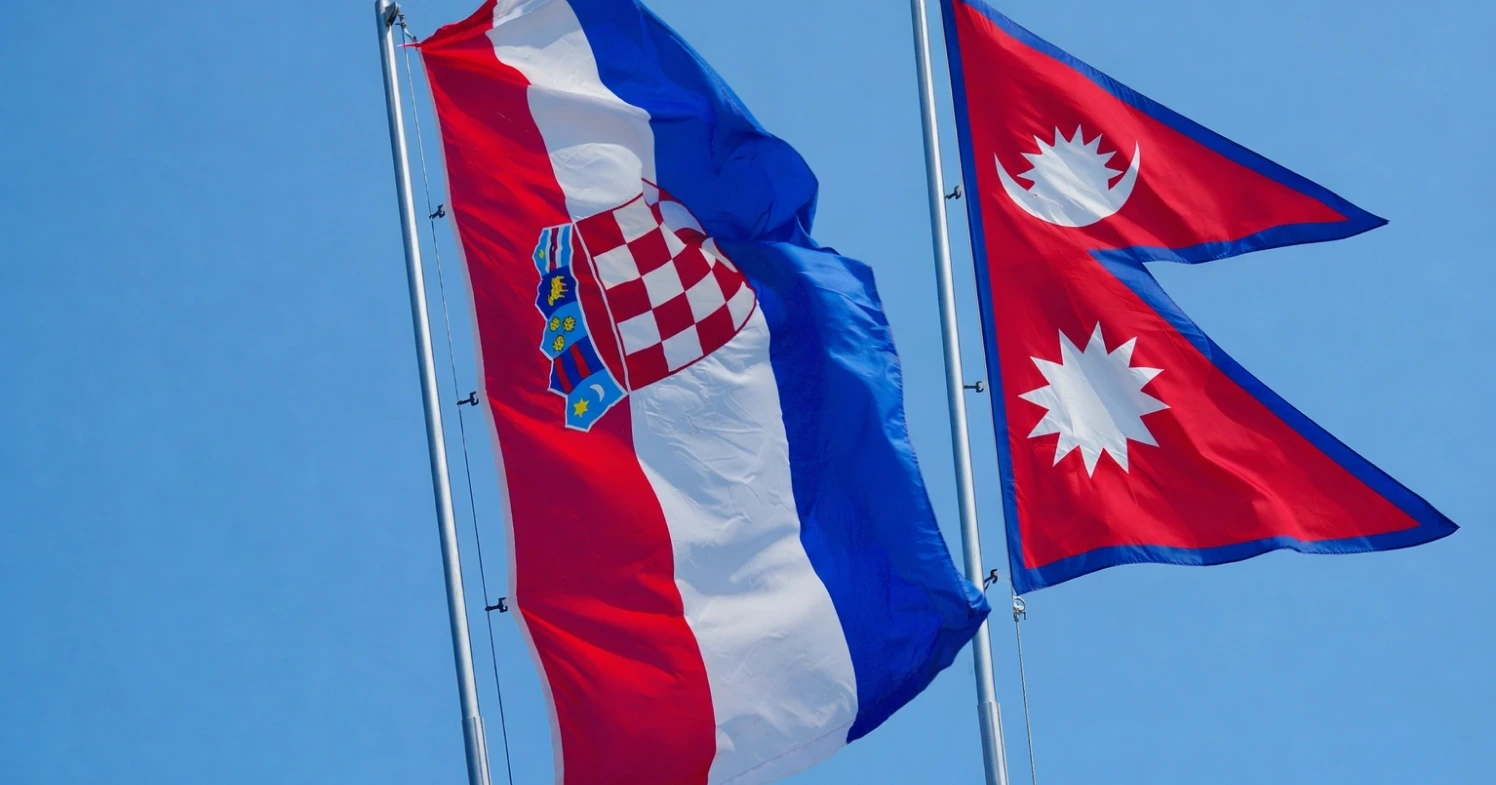
Record Numbers of Foreign Workers in Croatia: Nepalis Catching Up with Bosnian Citizens
17.12.2025.
08/11/2022

Agencies from India, Nepal and other countries are looking for numerous workers who would come to work in Croatia this and next year. They publish extensive video guides, explain how papers can be obtained, how much the salaries will be, etc. However, workers must set aside a fortune to come to Croatia, many take out loans and go into debt in order to pay intermediaries huge sums of money.
This year, as written by Novi list, 20,341 work and residence permits were issued to citizens of neighboring BiH, Serbia is in second place with 11,561 permits, and on June 30, 6,295 Nepalese had work and residence permits in Croatia.
For workers from North Macedonia, just over six thousand permits were issued, 4,676 workers came from Kosovo, and 3,258 from India. Just a few years ago, the numbers of workers from Nepal and India were counted in the hundreds. And today the workers are counted in the thousands; in the coming years, tens of thousands of them could come to Croatia.
Here is how much salary (in euros) Nepalese and Indians should have in Croatia, judging by agency advertisements.
It raises the issue of why the arrival of workers in Croatia has been prevented.
Below the video, comments can be seen in which people from Bangladesh are also asking for help in finding a job.
– Sir, it is very difficult to find a job in Croatia. Even my employer’s visa was canceled even after I had a flight within a few hours that day. It is very disappointing, my heart was broken because of that rude gesture. Shame on them. Why didn’t they inform us at least a week earlier? On the day we had flights to Croatia, they canceled them… – wrote one worker.
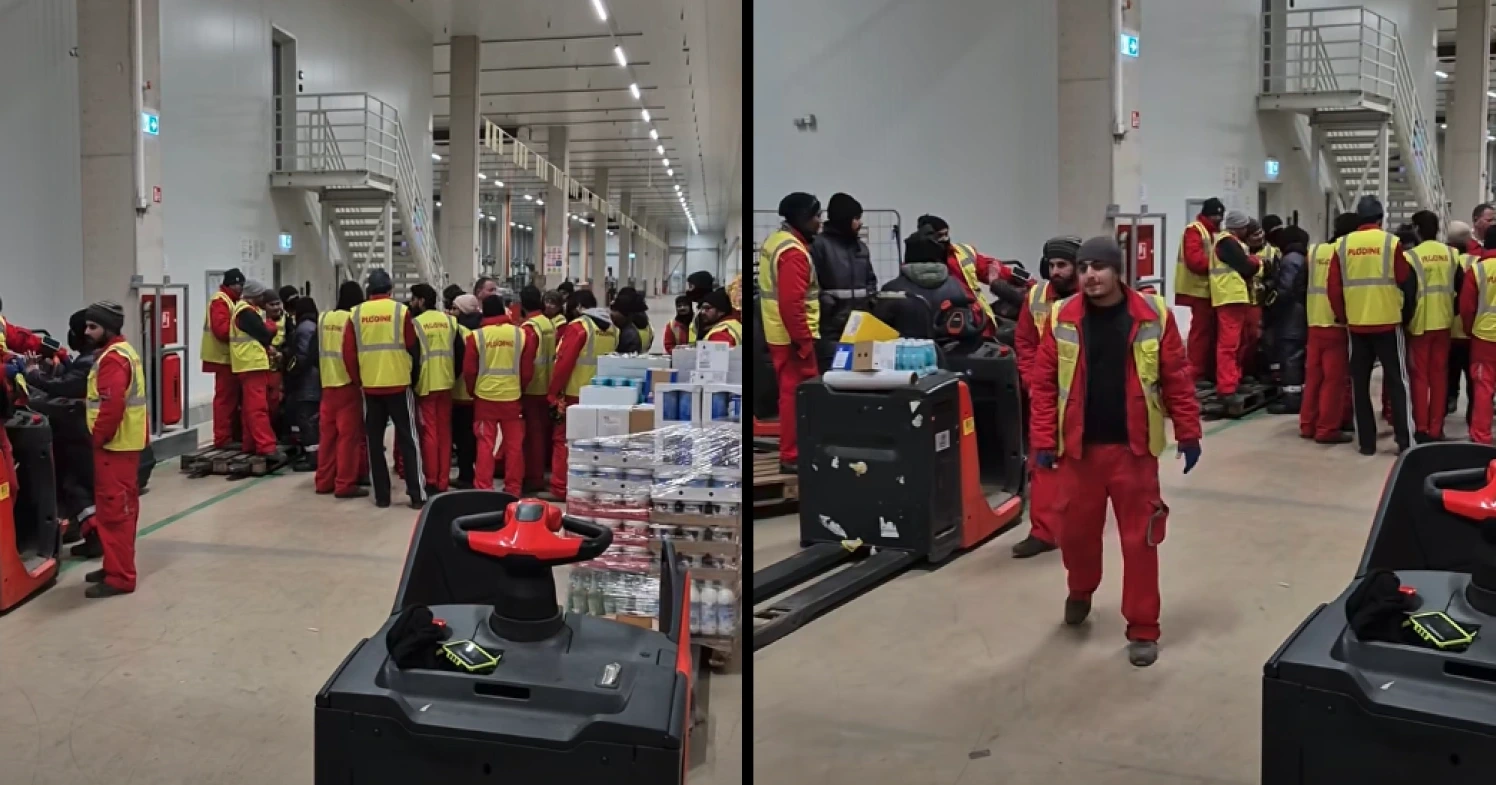
In another video, Nepalese who came to Croatia talk about how much they earn, what skills are sought, and the like. They film themselves on the Zagreb cable car and invite their compatriots to Croatia.
They are very well informed, stating that Croatia will soon enter Schengen, and that salaries start at around 400 euros.
However, it is not all milk and honey. Namely, the magazine Novac once wrote that coming to work in Varaždin cost young Asians a fortune. Young Nepalese and Indians, 350 of them, paid Nepalese agencies 7,000 euros for that “privilege”.
Nepalese in their country earn an average of 150 euros, so they paid 36.6 Nepalese salaries, or more than three years of work, for the opportunity to work at Vindija, Vis, Marlex… Banks lent them that money with mortgages on family homes, and they repay 500 euros a month.
They send the rest of their earnings to their families. Since their salary is on average around 4,500 to 5,000 kuna, by that calculation they have almost nothing left to spend. Still, they are constantly smiling. Even in banks, where all 350 line up at the beginning or middle of the month, depending on the payday, to deposit money into accounts in Nepal. Indians are more reserved and it is difficult to establish any contact with them.
– With the money earned here, we plan to buy a house in Nepal. Three years of work in Croatia would be enough for a nice house. In Nepal, most residents live in rented apartments in the city, and in the countryside people live in mud huts. We also hope to collect enough money for marriage and a car – they say cheerfully.
No one mentions a desire to stay in Europe long-term. Croatia, nor any much richer European country, is not an option for them.
They are not stubborn and are happy to try local specialties, but apart from replacing tea with coffee, they have not changed their habits.
And another sore point for Croats is, they say, above standard for them.
– I cannot believe that in Croatia everyone can come to the hospital and have all examinations done. Hospitals like these in Nepal are only for the very rich and staying overnight in them costs 2,000 euros or more, while the rest of us only have basic healthcare – the Nepalese marvel.
Nepalese workers do not understand what gross and net salary are, they do not know whether they are allowed to change employers if they are not satisfied with the current one, they have no idea whom to turn to for help in cases of possible violations of workers’ rights…
It is precisely the agencies that have caused the biggest problem so far between foreign workers and domestic employers. In a well-known company in Varaždin, the young men worked 12 hours a day, but they were paid for eight hours of work, while the overtime went to the agency…
Source: Slobodna Dalmacija