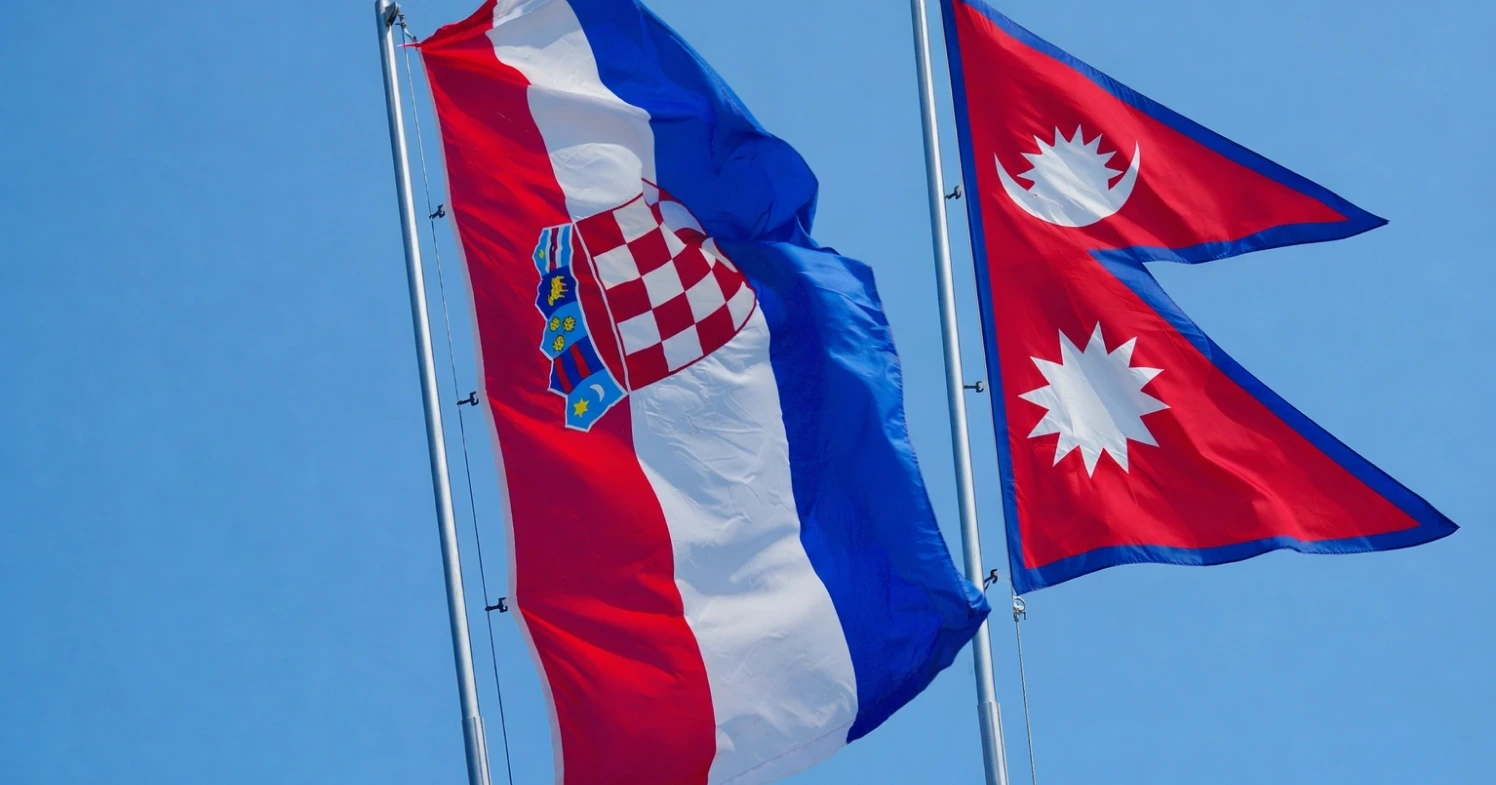






Croatia foreign workers
Record Numbers of Foreign Workers in Croatia: Nepalis Catching Up with Bosnian Citizens
17.12.2025.
01/19/2026
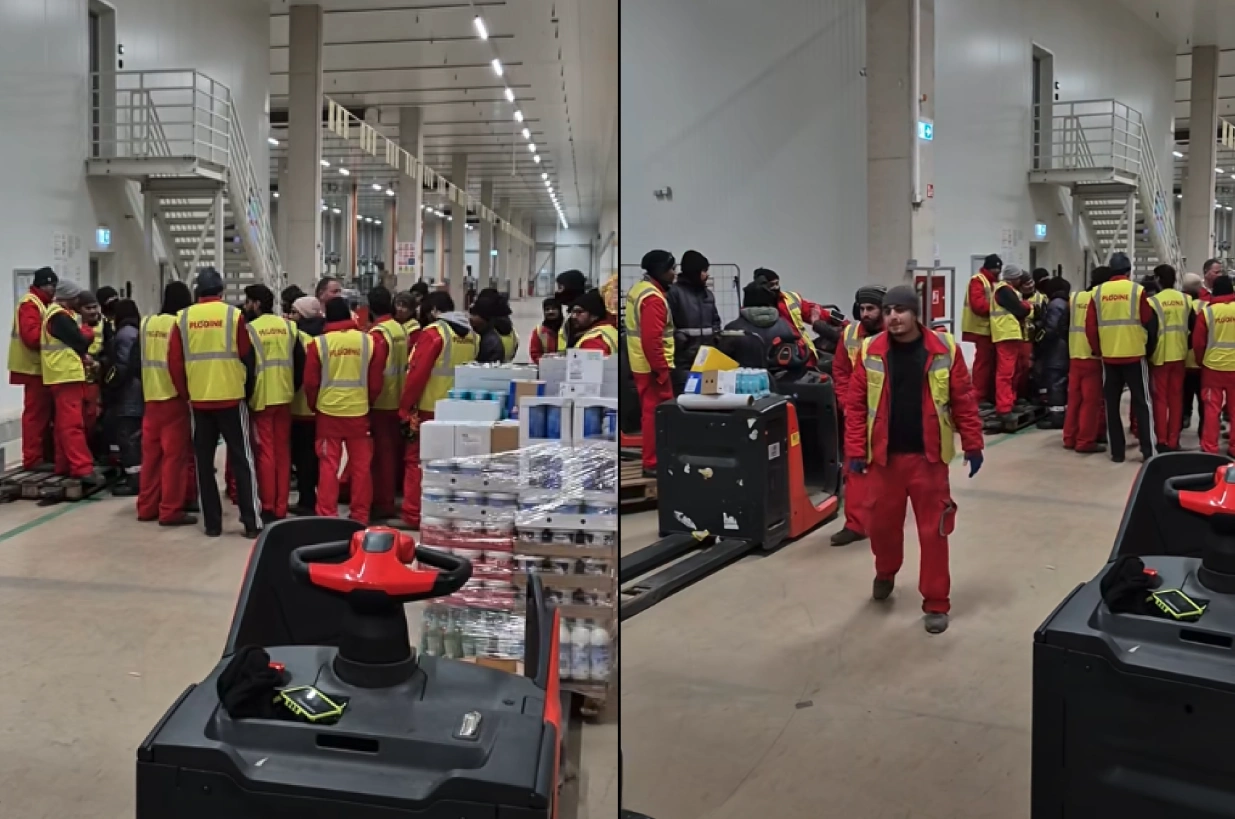
Photo: Screenshot from the video of the Independent Trade Union of Workers of Croatia (Facebook)
The logistics-distribution center of the retail chain Plodine in Kukuljanovo has become the scene of serious worker dissatisfaction that culminated at the end of last week.
A group of foreign workers, Nepalese nationals employed in the fruit warehouse, decided to stop working in order to draw attention to conditions which, according to their claims, have become unbearable, states the Independent Trade Union of Workers of Croatia. This event has once again raised the question of the treatment of foreign labor in Croatia and the role of employers in ensuring basic human and workers' rights.
On Friday, January 16, the workers collectively stopped working, and the main reasons for such a drastic move are low wages, unpaid or excessive overtime hours, and generally poor conditions within the warehouse itself. According to available data, around one hundred foreign workers are employed in this logistics center alongside about seventy domestic employees. Although in public discourse there is often an attempt to impose the narrative that foreign workers are exclusively people who have been given an opportunity for a better life, the situation on the ground shows the other side of that story. Practice suggests that foreign workers are often used as a tool to lower the price of labor, but also as a means of pressure on the rights of domestic employees, thereby creating a vicious circle of exploitation.
An important turning point in this situation occurred when seven workers from Nepal decided to join the Independent Trade Union of Workers of Croatia. According to information that this union published on its official Facebook page, after that act the workers faced serious pressure. It is stated that they were threatened with the loss of their work status, but also their residence permits, which in the context of foreign workers represents a direct blow to their existence and security. The Independent Trade Union of Workers of Croatia clearly states that such conduct is absolutely unacceptable and emphasizes that workers' rights must be universal and applied equally to everyone, regardless of the passport the worker holds.
For those who are not familiar with the legal regulations, it is important to clarify what exactly the threat of losing residence status means. In Croatia, the residence of a foreign worker from third countries is directly tied to their employment contract with a specific employer. If the worker is dismissed or the employer decides to withhold support for the work permit, they lose the right to legal residence in the country and must leave it within a very short period. It is precisely this legal connection that gives employers enormous power over workers, because any raising of one's voice against poor conditions can be punished by deportation. Such a system creates an atmosphere of fear in which workers are afraid to ask even for what legally belongs to them, such as paid overtime hours.
After the protest on Friday, the workers returned to their workplaces at the urging of management with the promise that their problems would be seriously considered. Today is Monday, the day designated as crucial for resolving this crisis. It is expected that representatives of the workers and the union will hold a meeting with people in higher management positions within the company. The workers expect concrete answers and clear solutions, not just general promises. The main goal of the negotiations is to ensure fair compensation for the effort invested and a guarantee that no form of intimidation will be carried out against employees anymore because of union activities.
The case from Kukuljanovo is an example of the challenges the Croatian labor market is facing amid the massive import of labor. While institutions and employers often emphasize the need for workers, the quality of life and work of those same people is rarely discussed.
The solidarity shown by the workers in Plodine, by joining together in a union despite the risk, shows that the threshold of endurance has its limits. This case does not concern only the Nepalese; it concerns every worker in Croatia. If one group is allowed to be exploited without consequences, the rights of everyone else are endangered. The outcome of today's talks will be a clear indicator of how ready the domestic system truly is to protect the dignity of labor in the twenty-first century.