




Slovenia social assistance
Is It Worth Working in Slovenia? Families With Five Children Can Receive Up to €3,360 in Aid
06.11.2025.
01/14/2026
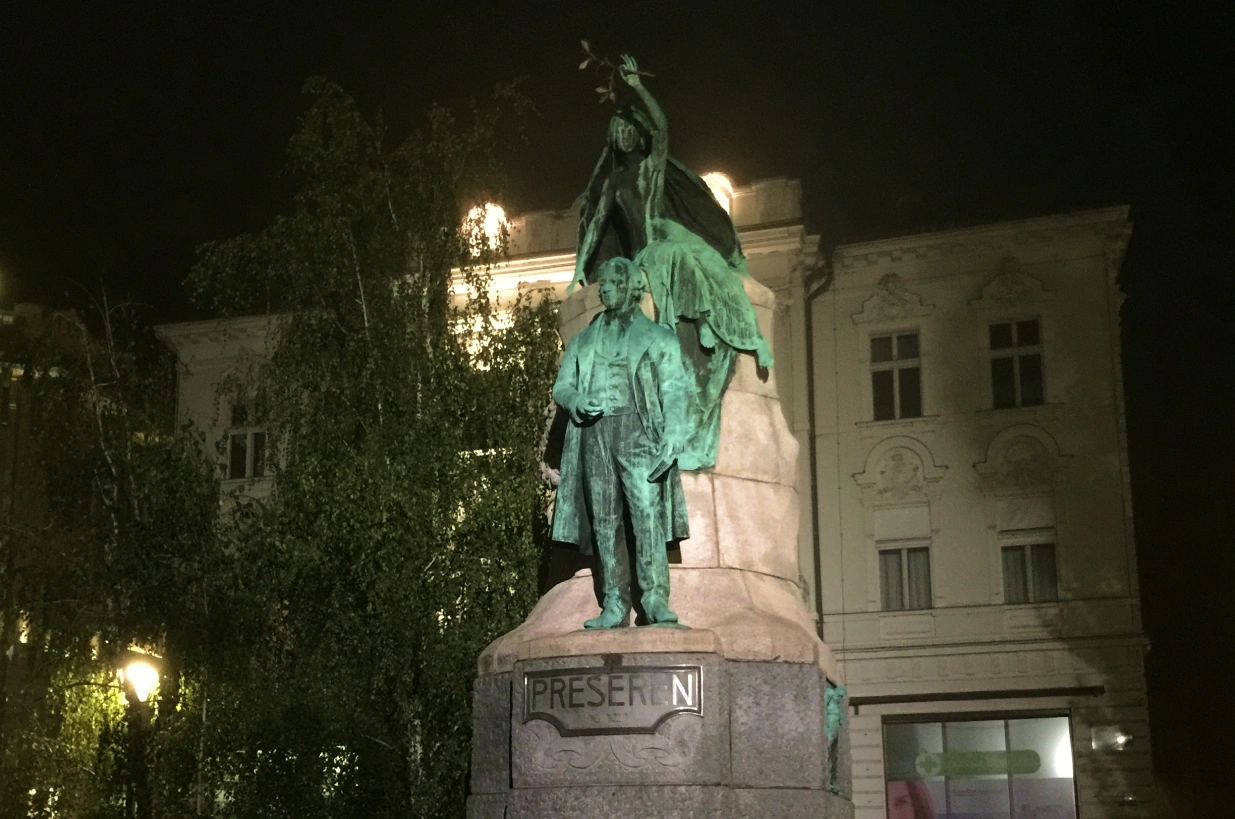
On the popular forum Reddit, a user from Serbia asked a question that concerns many residents of the region: what life in Slovenia is actually like and whether it is worth moving there for work.
The discussion was prompted by a job offer at a factory in Ljubljana with a salary between 1,600 and 17.00 euros net, a job he knows well and considers stable. Still, behind the numbers lies a range of factors that shape the real quality of life.
In a short time, the discussion gathered numerous participants, those who already live in Slovenia, who have worked there, or are only considering moving. Their experiences provide a fairly realistic and useful picture of everyday life in that country, and the conclusions can largely be applied to similar decisions being considered by Croatian workers.
Some participants agreed that the offered amount of 1,600 to 1,700 euros net is roughly equal to the Slovenian average. Such a salary allows for a decent life, but not significant comfort, especially if the job is in Ljubljana. The key element in that calculation is housing costs.
The biggest warning concerns rental prices in the capital, which have risen significantly in recent years. Today, single people often spend up to half of their monthly income on rent and utilities, one Reddit user states. When all basic expenses are added up, usually between 300 and 500 euros remain, depending on the individual's habits, he adds.
Still, several commenters pointed out that food prices in stores are comparable to those in Serbia, and sometimes even slightly lower. Public transport is considered well organized, and suburban settlements such as Domžale, Grosuplje, or Vrhnika offer lower rents and are solidly connected to Ljubljana.
Many participants in the discussion emphasized that life around Ljubljana is more practical and cost-effective. In smaller places up to about twenty kilometers away, it is possible to find more affordable accommodation, and transport costs are often lower than the difference in rental price.
Situations in which the employer offers organized transport or helps in finding an apartment stand out in particular. Such support turns relocation from an uncertain move into a realistic and thoughtful life decision.
Although the discussion began around money, it soon expanded to broader topics. The author of the post admitted that relocation appeals to him not so much because of earnings, but because of the desire for greater independence. Living with parents in adulthood and the feeling of stagnation were his main motives for change.
Numerous interlocutors recognized themselves in that dilemma, emphasizing that going abroad often brings personal growth that cannot be measured only financially. They cite independence, a more orderly system, a more professional attitude from employers, and generally a calmer pace of life as the greatest advantages. One commentator summed up that opinion by saying that one can always return home, but the experience of living in another country remains permanent.
Although the discussion itself did not emphasize institutional topics, it is worth mentioning that Slovenian workers enjoy certain benefits that are not common everywhere. In many companies, vacation allowance or annual leave supplement is paid. The payment of a Christmas bonus, or the so-called winter supplement, is mandatory in Slovenia. The state system is functional, healthcare reliable, and administration more predictable and efficient than in most countries of the region.
Slovenia is also recording stable population growth, partly thanks to the immigration of workers from neighboring countries. Along with a high level of safety, cleanliness, and proximity to nature, many people in Slovenia find long-term satisfaction and a calmer way of life, even without exceptionally high incomes.
The general message running through the discussion is that a salary of 1,700 euros net may not be a reason for excitement, but it can be an excellent start.
Participants advise using the first year as a period of adjustment and getting to know the market, after which opportunities open up for better-paid jobs or moving to a cheaper city.
As one commentator summed it up, the greatest risk is that the person returns home, but with valuable additional experience. For those seeking change, independence, and a more orderly everyday life, it is a challenge that many consider worth trying.
Discussion on Reddit, held on the forum r/AskSerbia, shows that the question of moving to Slovenia goes beyond pure economic calculation. For many, it is not just a job abroad, but a life step toward personal freedom and a new view of everyday life.
For those considering going to work in Slovenia, it is worth taking a look at the current job listings on our site.
Even if you do not have European Union citizenship, that does not have to be an obstacle because Slovenian employers often initiate the procedure for obtaining a work permit themselves. This process in Slovenia is generally simpler and faster than in many other countries, especially in sectors where there is a chronic labor shortage, which is why the administration is increasingly adapting to the real needs of the labor market.