



Slovenia minimum wage
Official: Slovenia Raises Minimum Wage to Around €1,000 Net
28.01.2026.
01/23/2026
In Slovenia, an increase in the minimum wage for 2026 is being seriously considered, and the latest proposals and statements by government officials point to the possibility of a significant rise in the basic monthly compensation for full-time work.
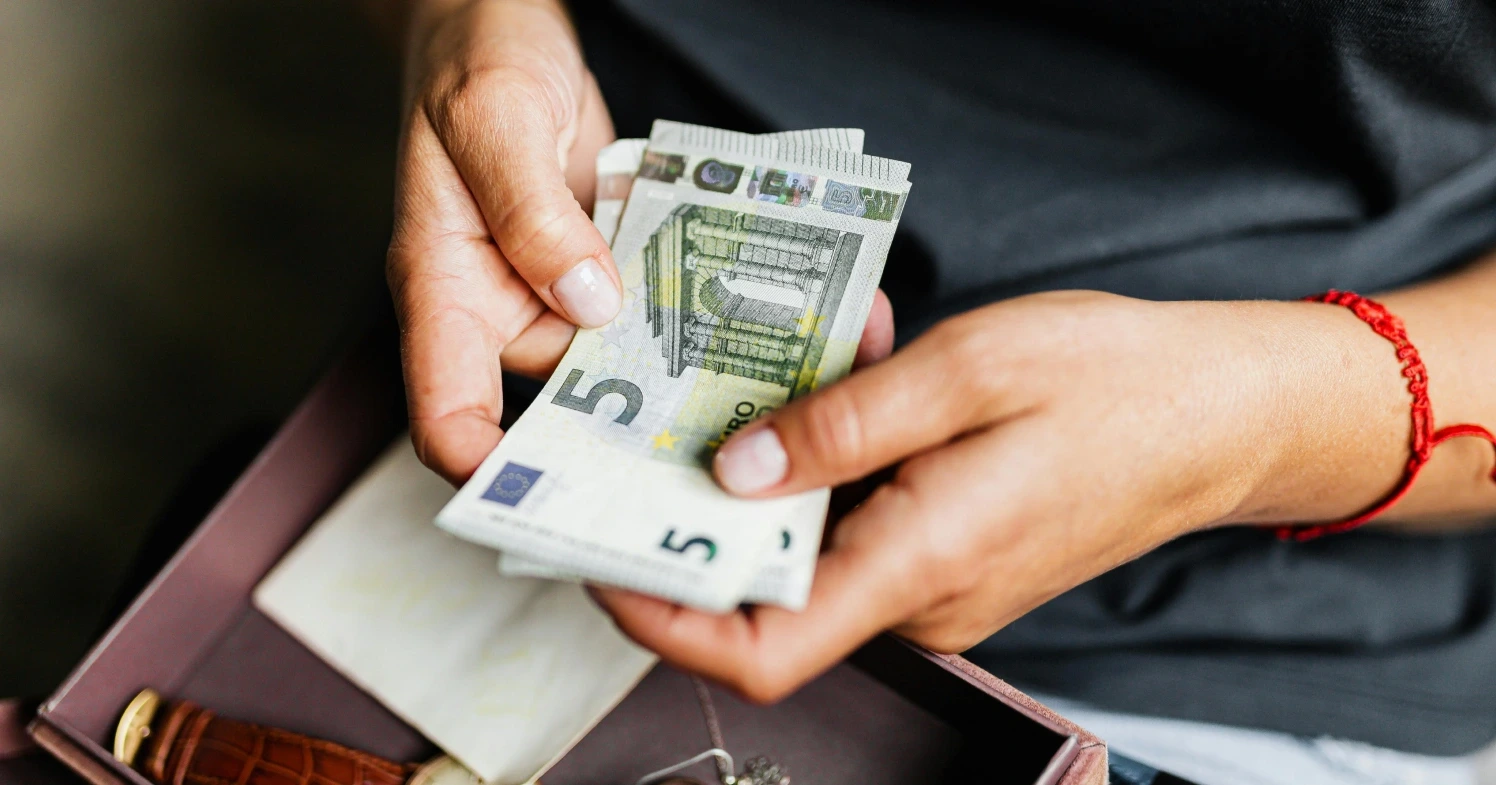
According to information conveyed to the media by Slovenian Minister of Labour Luka Mesec, the gross minimum wage could amount to around 1,482 euros, which according to estimates would mean approximately 1,000 euros net per month for full-time workers.
That proposal would represent an increase of almost 16% compared with the current gross minimum wage of 1,277.72 euros in 2025. This is an adjustment in line with the rise in living costs and price movements in the country.
Minister Mesec pointed out that the goal of increasing the minimum wage is to ensure that workers who work 40 hours a week have incomes above the at-risk-of-poverty threshold, writes Prvi Klik. Such a measure should reduce social inequalities and improve the standard of living, especially for those who are most vulnerable to rising housing costs and basic necessities. The increase in the minimum wage also affects other forms of income, such as vacation allowance and Christmas bonus, since these amounts are often tied to the minimum base.
The announced increase has triggered mixed reactions. Trade unions support it, considering it a necessary step toward more dignified working conditions. On the other hand, representatives of employers and business associations warn that a sharp rise in labour costs could further burden smaller companies and tradespeople and affect employment. The government, trade unions, and business associations are still holding talks on finding a balance between workers’ social security and business sustainability.
In Croatia, the gross minimum wage for 2026 is planned at 1,050 euros, which is an increase of about 80 euros compared with 2025, when it amounted to 970 euros. This is part of a broader government plan according to which the minimum wage should reach around 1,250 euros gross in the next few years.
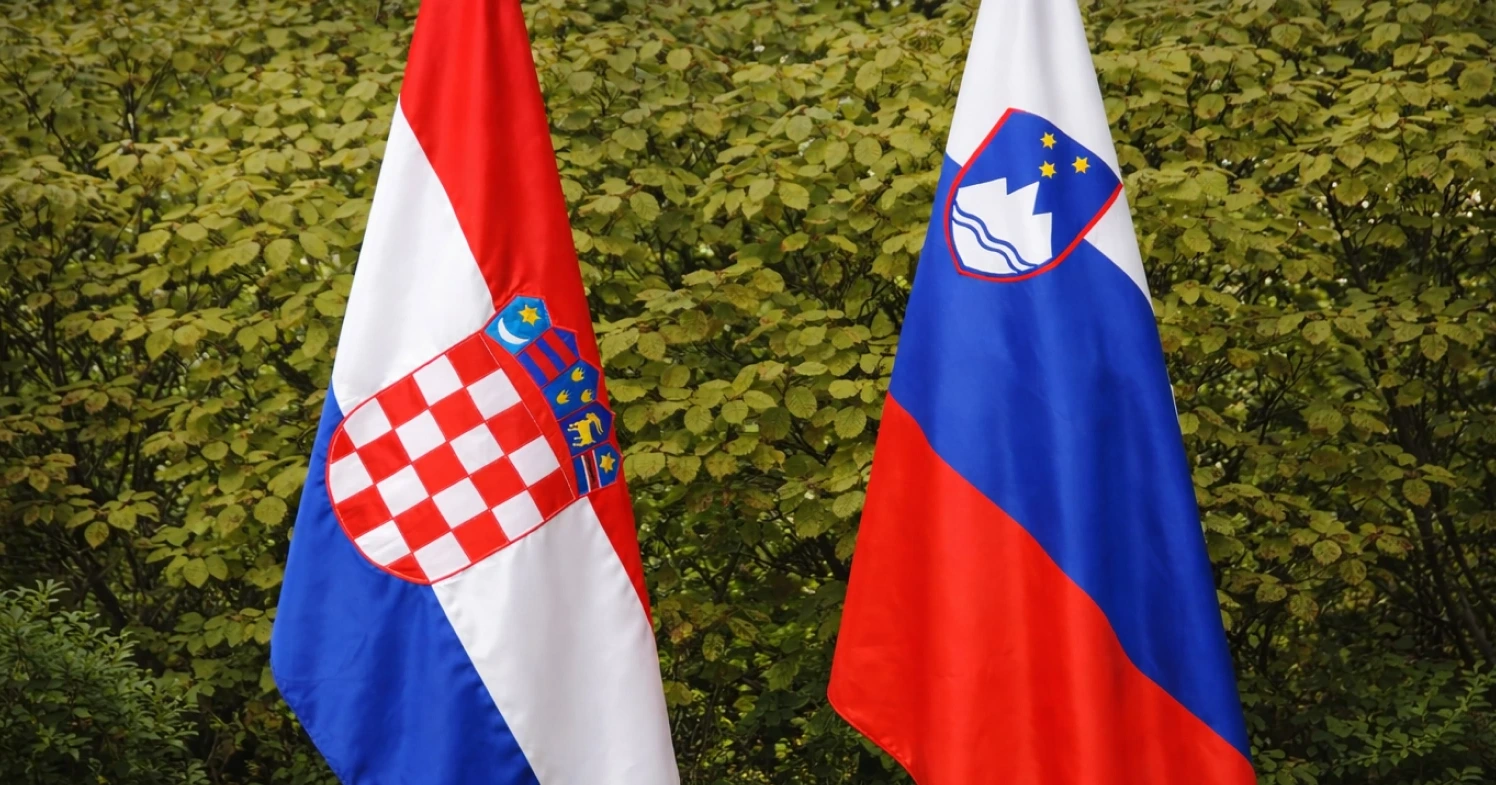
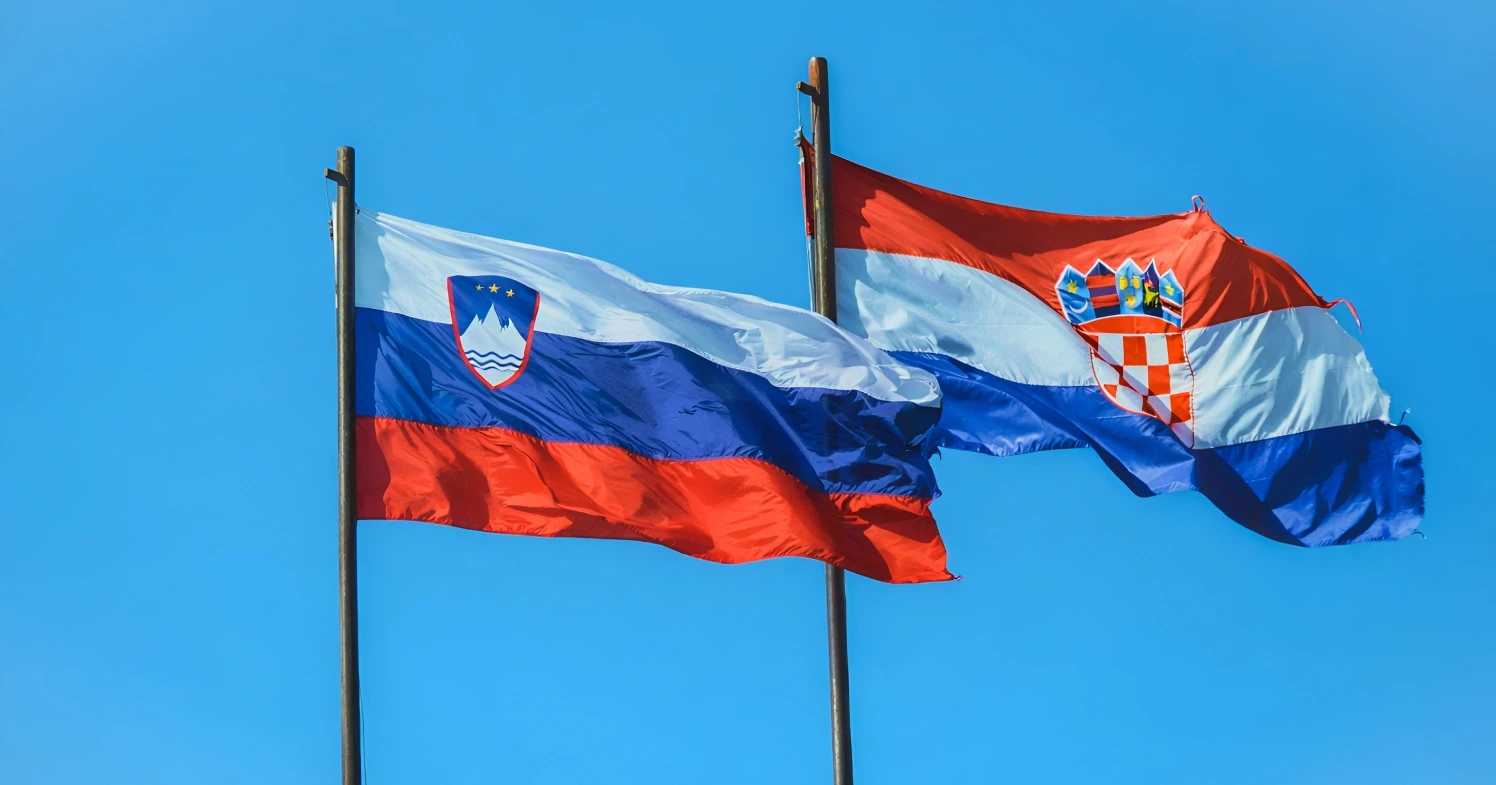
The difference between the Slovenian and Croatian amounts is significant. The planned Slovenian minimum wage of approximately 1,482 euros gross is almost 431 euros higher than the Croatian one. If the net amount is observed, the difference is not negligible there either, because the Slovenian minimum wage of around 1,000 euros would be about 200 euros higher than the Croatian one, which is estimated at around 800 euros.
Such a difference also reflects different purchasing power. In Slovenia, a worker on the minimum wage can more easily cover housing, food, and utility costs, while in Croatia workers with lower incomes face more pronounced financial pressures due to rising energy, food, and housing prices. In other words, several hundred euros in gross amount can mean a crucial difference in covering basic living costs.
The increase in minimum wages in Slovenia and Croatia is part of a broader European trend through which countries are trying to align rising living costs with wages. In Slovenia, a higher minimum wage will also lead to an increase in student hourly wages and certain social benefits, while in Croatia the minimum student hourly wage is also rising, which positively affects the availability of income for young workers.
The growth of minimum wages in both countries stems from a combination of economic and social factors. By increasing wages, Slovenia seeks to directly improve the standard of the lowest-paid workers, while Croatia is implementing a more gradual growth model, taking into account the stability of the economy. The differences in amounts and approaches reflect each country’s ability to align economic realities with the goal of strengthening social security and long-term sustainability.