



Slovenia minimum wage
Slovenia Plans Minimum Wage of Around €1,000 Net: 'Above the Poverty Risk Threshold'
23.01.2026.
01/28/2026
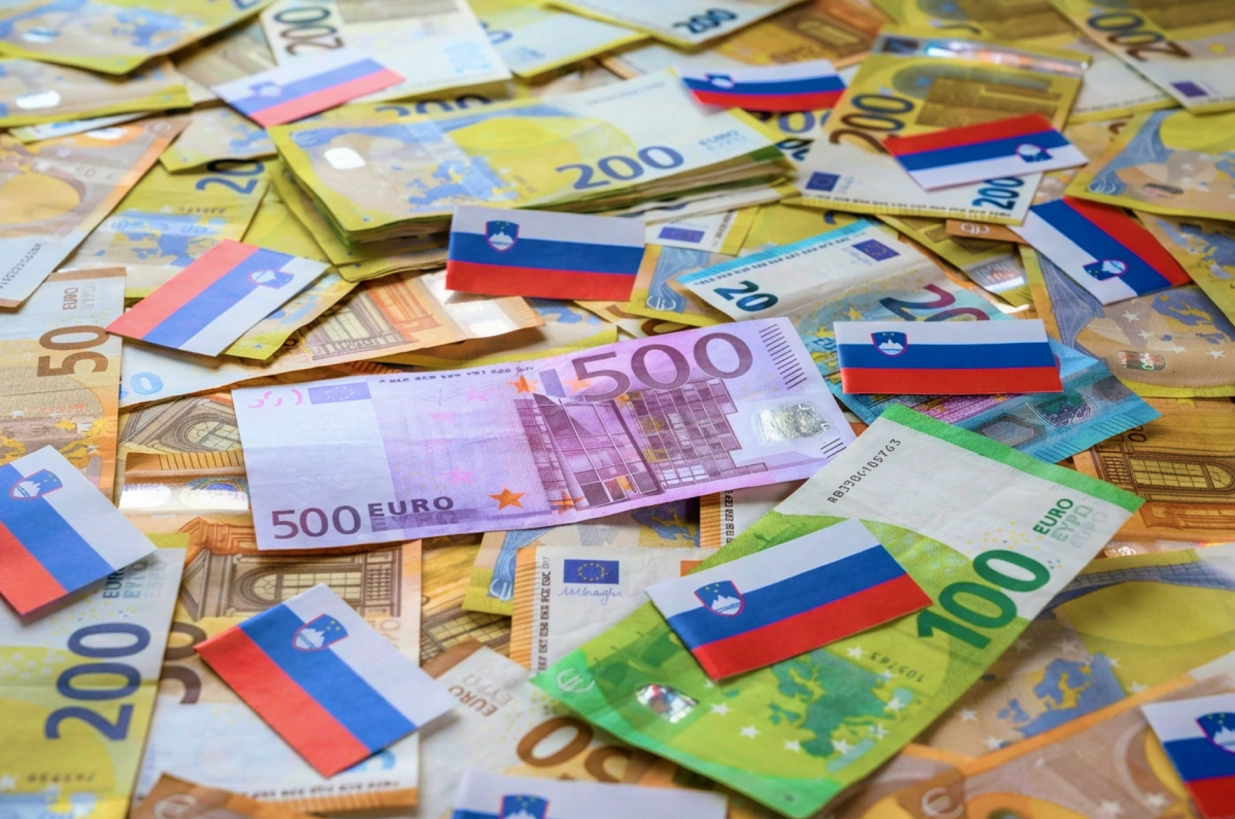
Slovenia has also officially confirmed an increase in the minimum wage for 2026.
Slovenian Minister of Labour Luka Mesec signed the decision on the new minimum wage amount, which will be published in the Official Gazette of our neighbouring country on Friday, 30 January 2026. This complies with the legal deadline according to which the minimum wage must be determined and published no later than 31 January each year.
As a reminder, we wrote about it earlier as well, at a time when there was still no official confirmation. Now all amounts and legal frameworks have finally been defined.
The gross minimum wage in Slovenia for 2026 will amount to 1,481.88 euros. According to estimates, this means that workers on the minimum wage employed full-time will receive approximately 1,000 euros net per month.
For a simple explanation, gross salary is the amount before taxes and contributions, while net salary is the amount the worker actually receives in their account. It is precisely the net amount that citizens are most interested in, because they use it to cover everyday living expenses.
The Ministry of Labour explained that the law stipulates that the minimum wage must be set between 20 and 40% above the minimum cost of living. Based on the calculations, that range for 2026 amounted to between 1,372.03 and 1,648.28 euros gross.
The minister made a decision on the amount of 1,442.92 euros gross, which was then adjusted for inflation of 2.7 percent. After that adjustment, the final minimum wage amount reached 1,481.88 euros gross.
The goal of such a model, as the Ministry points out, is to ensure that the minimum wage is not merely symbolic, but actually provides basic financial security. In that context, the message is often highlighted that the minimum wage increase is being introduced so that, as one of the authorities' messages states, 'everyone can have a dignified life'.
The increase in the minimum wage does not affect only workers who receive the minimum wage. It automatically leads to an increase in a number of other benefits that are legally tied to that amount.
This includes the lowest unemployment benefit, hourly rates for student work, compensation for personal assistants, and certain other social and labour-related payments. In other words, the decision on the minimum wage has a broader social impact and affects a significantly larger number of people than it may seem at first glance.
In Croatia, the gross minimum wage for 2026 is planned at 1,050 euros. This is an increase of about 80 euros compared to 2025, when the minimum wage amounted to 970 euros gross. The government is also announcing that over the next few years the minimum wage should gradually rise toward the level of around 1,250 euros gross.
A comparison with Slovenia shows a significant difference. The Slovenian minimum wage of approximately 1,482 euros gross is about 431 euros higher than the Croatian one. The difference is also visible in net amounts. While the Slovenian minimum wage is estimated at around 1,000 euros net, the Croatian minimum wage amounts to approximately 800 euros net, which means a difference of about 200 euros per month.
That difference is not just statistical. It is directly reflected in the everyday lives of workers. In Slovenia, a worker with the minimum wage can more easily cover basic costs such as rent, food, and utilities. In Croatia, workers with lower incomes face greater pressure due to rising energy, food, and housing prices. A difference of several hundred euros in the gross amount often means the boundary between financial stability and a constant struggle with expenses.
The official confirmation of the minimum wage increase in Slovenia shows a clear policy direction toward protecting the standard of workers with the lowest incomes. An amount of around 1,000 euros net places Slovenia noticeably above the Croatian minimum wage level and further highlights the differences in purchasing power between the two countries.
Although the increase in the minimum wage does not in itself solve all problems, it remains one of the key tools in the fight against in-work poverty. In that sense, the Slovenian decision sends a clear message that the minimum wage should provide real conditions for a dignified life, and not merely satisfy the legal minimum.
Check out the job offers here.